Do You Need a Riding Backpack or Hip Pack?
I’ll help you avoid choosing a pack by habit, comparing hydration, capacity, heat, stability, and access so your riding backpack or hip pack matches the route you actually plan to ride.
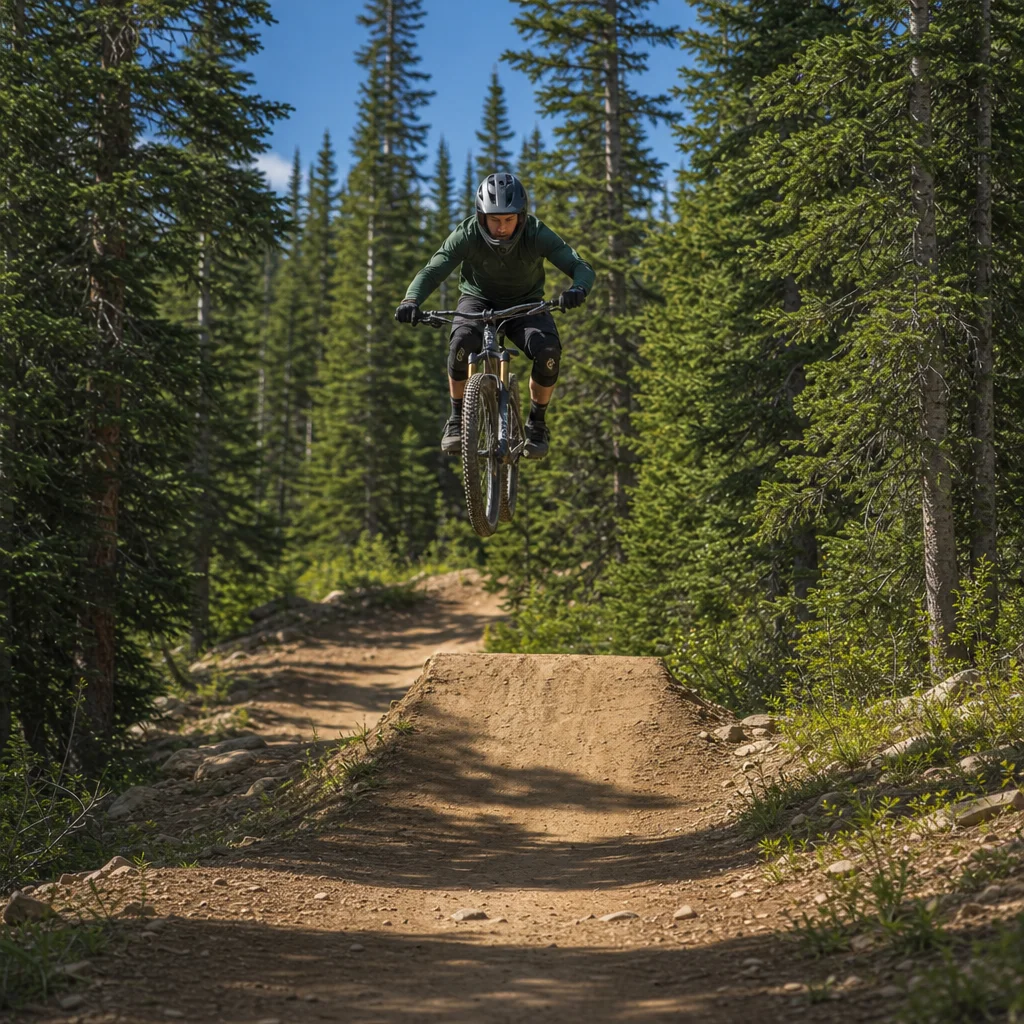
Choosing between a riding backpack and a hip pack can seem like a simple matter of personal preference. In practice, the better option depends on how much you need to carry, how long you’ll be away from the car, how hot the ride will be, and how often you need to reach your gear.
The common mistake is buying the smallest, lightest option and then expecting it to handle every ride. A compact hip pack may be excellent for a short local loop but frustrating when you need extra water, a jacket, food, and repair supplies. A backpack offers more capacity, but carrying more can make a short ride feel hotter and less comfortable than necessary.
Start with the route, not the pack
Think about the ride in front of you before comparing features. A short trail session near your vehicle usually has different carrying requirements from a remote half-day ride. You may need only water, a phone, keys, and a few tools for the first outing. The longer and less accessible the route becomes, the more useful additional capacity is.
A hip pack generally suits rides where your supplies are limited and help or resupply is reasonably close. It works well for short loops, bike-park laps, familiar trails, and rides where you can return to the car between sections. It can also be a good choice when you dislike having material against your back.
A riding backpack makes more sense when the route requires meaningful self-sufficiency. Longer rides, isolated trails, changing weather, and routes with limited access to water all increase the value of space. You can carry more water, a warmer layer, food, first-aid supplies, and a more complete repair kit without forcing everything into a cramped pouch.
Check the day’s real load: Before choosing your pack, lay out the water, clothing, tools, food, and emergency items you expect to carry. If they barely fit at home, they’ll be awkward to access on the trail.
Capacity and hydration
Capacity is the most obvious difference, but usable capacity matters more than the number printed on a product label. A pack may technically hold a certain volume, yet that space can be difficult to use if the opening is narrow or the main compartment is crowded by a water reservoir.
Hip packs are usually limited by their shape and position. They can carry a bottle or small reservoir, basic tools, snacks, and personal items, but they leave less room for bulky clothing. A folded windbreaker may fit, while a warm layer, spare gloves, and substantial food can quickly turn the pack into a stuffed bundle.
Backpacks provide more flexible storage. Many use a reservoir against your back and separate compartments for tools, clothing, and small items. Others rely on bottles, which can be easier to refill and clean. Either approach can work; the important question is whether the total water and equipment you need can fit without overloading the pack.
Don’t choose a pack based only on its maximum hydration capacity. Carrying a large amount of water is useful only when the route, weather, and distance justify it. Water is heavy, and extra capacity can encourage you to bring more than you need. For a short ride, a smaller load may improve comfort and reduce the temptation to fill every pocket.
At the same time, underestimating water is a poor way to save weight. If you’re riding somewhere hot, exposed, or far from a reliable refill point, plan for those conditions rather than copying the load used on a short local ride. Your carrying system should support the route’s actual demands, not an idealized version of it.
Heat and comfort
The main comfort advantage of a hip pack is that it leaves most of your back uncovered. That can make a noticeable difference on warm climbs or humid days. Air can move across your jersey, and you may feel less enclosed than you would with a fully loaded backpack.
A backpack spreads weight across your shoulders, chest, and hips, but it also covers more of your torso. Some designs include ventilation channels or suspended mesh panels, which can reduce contact with your back, but they won’t make the load disappear. A pack carrying water, tools, and clothing will still add weight and warmth.
The weight of the load matters as much as the pack’s design. A lightly loaded backpack may be more comfortable than an overfilled hip pack that bounces, pulls downward, or presses into your lower back. Conversely, a heavy hip pack can feel concentrated around your waist while a properly fitted backpack distributes the same equipment more evenly.
Fit is worth testing with the contents you’ll actually carry. Adjust the straps while standing, then move through a riding position. Check whether the pack shifts when you lean forward, stand on the pedals, or ride over rough ground. A pack that feels fine while walking around a shop may move differently once you’re climbing or descending.
Stability and movement on the bike
A hip pack sits lower on your body and can stay stable when its contents are arranged carefully. Tighten it enough that it doesn’t bounce, but not so much that it restricts breathing or makes your riding position uncomfortable. Put heavier items close to your body and avoid leaving one side much fuller than the other.
The biggest stability problem usually isn’t the pack itself; it’s loose or poorly distributed contents. A half-full bottle, a large tool, and small objects moving around in separate pockets can make the pack feel unstable. Use internal organization to stop items from shifting, and remove anything you’re unlikely to need.
A backpack can feel more planted when it has a good waist or hip belt, a secure chest strap, and a shape that matches your torso. These features keep the load from swinging when the trail becomes rough. If the pack hangs away from your body or the shoulder straps are doing all the work, it may bounce and become tiring.
A stable pack shouldn't interfere with your movement or protective equipment. Make sure the waist belt doesn’t sit where it conflicts with knee protection, and check that shoulder straps don’t catch on your helmet or restrict your head movement. You should be able to look through a turn and shift your body without fighting the pack.
Access to tools and essentials
Hip packs often make small items easy to reach. Depending on the design, you may be able to access food, a phone, or a tool without removing the pack. That convenience is useful when you want to make a quick adjustment or eat during a long climb.
Backpacks can be less convenient for minor stops because you usually need to remove them or rotate them around your body. Some include hip-belt pockets, exterior sleeves, or dedicated tool compartments that improve access. These features help, but they don’t completely change the fact that the main load is behind you.
Consider what you need frequently and what you can leave alone. Snacks and a phone benefit from quick access. A spare layer or first-aid kit can stay in the main compartment until needed. Tools should be secured so they don’t rattle, damage other items, or become difficult to identify when you’re stopped beside the trail.
If you carry a phone for navigation or emergencies, protect it from sweat and weather and keep it secured. Easy access is useful, but you don’t want the phone bouncing in an open pocket or becoming a distraction while you’re riding. Stop in a safe place before checking a route or responding to a message.
What beginners commonly get wrong
The first mistake is choosing based on the pack’s empty weight. A light pack is appealing, but the weight of water and equipment usually matters more once you’re riding. A slightly heavier pack with a better fit can be more comfortable than an ultralight option that shifts or lacks space.
Another mistake is assuming one pack must cover every ride. A small hip pack and a modest backpack can serve different purposes, but you don’t need two immediately. Start by identifying the type of riding you do most often. If most rides are short and close to your vehicle, a hip pack may be enough. If you regularly ride longer routes, the backpack will be more versatile.
Overpacking is also common. More pockets and capacity can lead you to carry duplicates, unnecessary clothing, or tools you don’t know how to use. Carry the repair equipment needed for likely problems, but learn how to use it before relying on it far from the trailhead. A compact load that is organized and familiar is more useful than a large load full of mystery items.
Finally, don’t ignore cleaning and maintenance. Reservoirs, bottles, and damp pack compartments need to dry properly. Empty food wrappers, remove muddy tools when appropriate, and check zippers and straps periodically. A pack that is comfortable on day one should remain usable after repeated wet and dusty rides.
A simple choice for common rides
Choose a hip pack when your ride is short or close to support, your equipment list is small, and staying cool is a priority. It’s particularly suitable when you need water, basic tools, a phone, keys, and a snack rather than a complete set of clothing and supplies.
Choose a riding backpack when you need more water, extra layers, food, navigation equipment, or a broader repair and safety kit. It’s the safer practical choice when the route is remote, the weather may change, or returning to the car would be difficult. Fit and load distribution become especially important as the pack gets fuller.
If you’re undecided, pack the items you’d genuinely carry on your longest regular ride and test both formats in a riding position. Pay attention to bouncing, pressure points, heat, and whether you can access the things you use most. The right choice is the one that keeps your essentials secure without making you carry capacity you don’t need.
For many beginners, a small hip pack is a sensible starting point for local rides, while a riding backpack becomes worthwhile as distances and route complexity increase. Decide from your normal load and terrain, then leave room for the occasional change in weather or plans. That approach avoids both the cramped pack that limits your ride and the oversized one that spends most of its life carrying empty space.