Choose Mountain Bike Gloves for Heat, Rain, and Blister Prevention
I’ll help you choose mountain bike gloves that balance ventilation, rain protection, grip, and blister prevention, so changing conditions don’t force you into numb hands or avoidable discomfort.
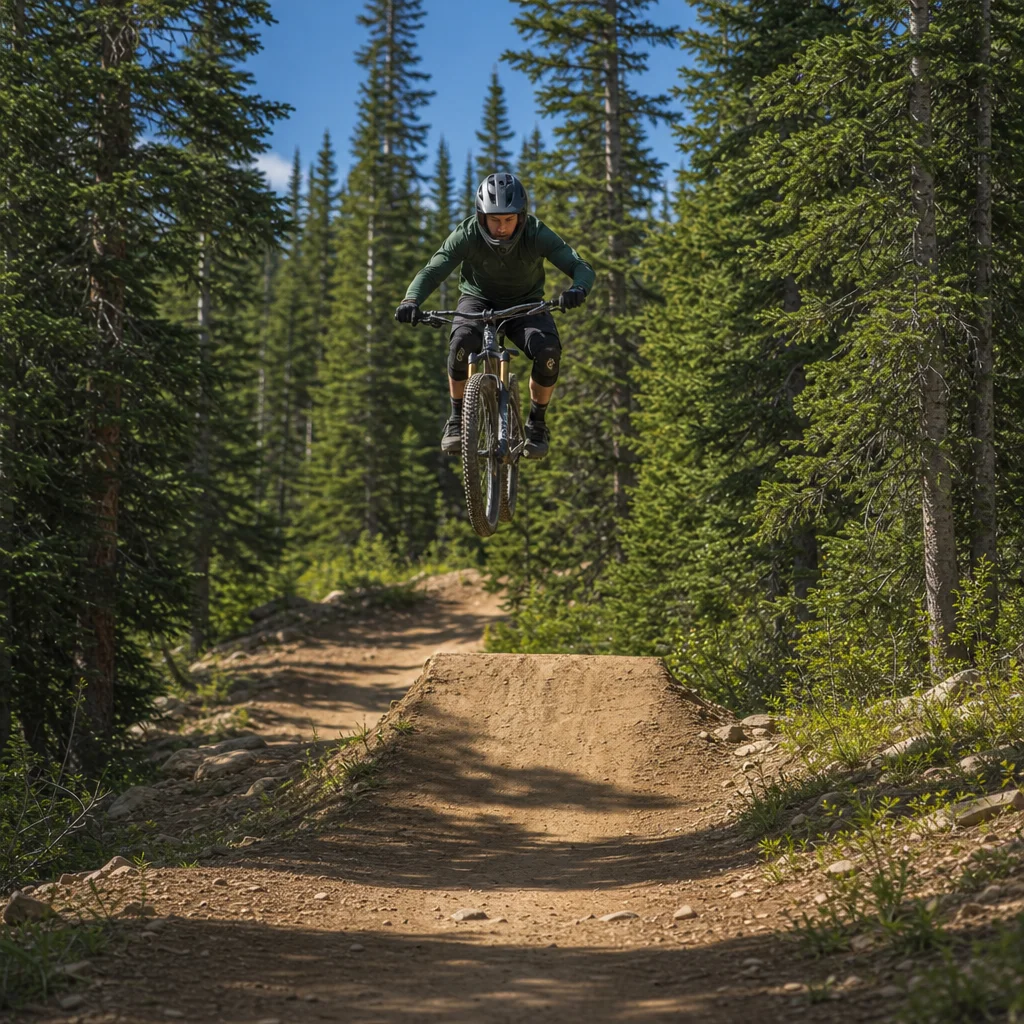
The wrong mountain bike gloves can create several problems at once: sweaty hands, numb fingers, slipping on the grips, or hot spots that become blisters before the ride is over. Choosing well means matching the glove to the weather, your riding style, and the way your hands interact with the handlebar—not simply buying the thickest or most waterproof option.
For hot, wet, and changeable climates, the best choice is often a compromise. A highly ventilated glove may feel excellent in dry heat but become unpleasant once soaked. A waterproof glove can keep rain off your hands but may trap sweat and reduce dexterity. Start by deciding which problem is most likely to end your ride, then choose materials and construction around that priority.
Start with fit, not features
A glove should fit closely enough that the palm material doesn’t bunch under your fingers or fold across your grip. Excess fabric creates friction, and friction is a common contributor to blisters. At the same time, your fingers need room to bend without pulling the glove tight at the fingertips. A glove that looks sleek while your hand is open may become restrictive when you brake or shift repeatedly.
Try the glove in your normal riding position. Curl your fingers around an imaginary handlebar, make a braking shape with your index and middle fingers, and check whether the seams press into your knuckles. The cuff should stay in place without cutting into your wrist. If you wear a watch, wrist protector, or other layer, account for that when checking the fit.
Sizing varies between brands, so a nominal small, medium, or large is only a starting point. Measure your hand according to the manufacturer’s instructions and compare that measurement with how the glove feels when your hand is flexed. If you fall between sizes, the better choice depends on construction: a stretchy, close-fitting glove may tolerate a little less room, while a stiff or insulated glove needs more space.
Choose the palm for grip and blister prevention
Palm material affects comfort, control, durability, and how much moisture remains between your hand and the glove. Synthetic leather, often made from microfiber materials, is common because it offers a useful balance of grip and wear resistance. It can also be easier to clean than natural leather and tends to dry more predictably.
A thin palm provides better handlebar feel, which can be useful for technical riding and frequent braking. However, thin material offers less protection from vibration, pressure, and rough grips. A thicker palm or strategically placed padding may help if you regularly develop hot spots, but padding isn’t automatically better. If it changes the way your hand sits on the grip or creates a ridge under your palm, it may move the pressure rather than solve the problem.
Look closely at the seams and transitions between palm panels. Raised seams in the webbing between your fingers can rub during long descents, especially when your hands are damp. Silicone or textured grip treatments on the fingers can improve control of brake levers, but excessive texture may create pressure points. You want enough grip to maintain a relaxed hold, not a surface that encourages you to squeeze harder.
Blisters can also be caused by cockpit setup, not just gloves. A grip that is too large, worn smooth, or poorly matched to your hand can increase the effort needed to hold the bike. Brake levers positioned too high or too low may force your wrists into an awkward angle. Gloves are worth improving, but they shouldn’t be expected to correct every contact-point problem.
Balance ventilation and weather protection
For hot conditions, prioritize airflow across the back of the hand. Mesh, perforated fabric, and lightweight stretch textiles release heat more effectively than solid, tightly woven panels. A short cuff can also feel cooler and may be easier to remove during a ride. The trade-off is reduced protection from sun, vegetation, and light rain.
A breathable back doesn’t make a glove waterproof. In a warm shower, your hands may stay comfortable if the glove dries quickly, but persistent rain will eventually reach the skin. That isn’t necessarily a failure. In hot weather, a wet glove that remains flexible and doesn’t hold much water may be more comfortable than a waterproof glove that fills with sweat.
For cool rain, look for a more tightly woven outer fabric, a longer cuff, and a palm that retains grip when wet. Water-resistant materials can delay saturation, but they shouldn’t be confused with fully waterproof construction. Sealed seams, waterproof membranes, and insulated liners add protection, but they can also reduce breathability and make the glove slower to dry.
If you ride through both hot and wet conditions, consider owning two pairs rather than demanding that one glove do everything. A lightweight, fast-drying glove suits warm rides and brief showers. A more weather-resistant pair makes sense for cooler rain or exposed rides where cold fingers are the bigger concern. The cost and storage required are usually modest compared with repeatedly using the wrong glove in the wrong conditions.
Check the ride before choosing the glove: Look at the forecast, expected temperature range, and trail conditions shortly before you leave. If rain, standing water, or cold exposure is likely, allow for slower drying and reduced dexterity rather than assuming a lightweight summer glove will remain comfortable.
Understand insulation and numbness
Insulation is useful when cold is the main cause of numb fingers, but thicker gloves aren’t a universal solution. A glove that compresses your fingers or restricts movement can reduce comfort and may make it harder to operate the controls precisely. Leave enough internal space for your fingers to flex naturally, particularly if you’re choosing a winter glove with a liner.
Numbness can also result from pressure, vibration, tight cuffs, or an overly firm grip. If your fingers become numb only after a particular section of trail, consider whether you’re gripping the bar harder than necessary. Check that the glove isn’t pulling across the knuckles and that the cuff isn’t restricting wrist movement. Changing hand position briefly, relaxing your grip, and adjusting your controls may help more than adding insulation.
For variable climates, a moderately warm glove with good moisture management is often more versatile than a heavily insulated model. You can add warmth with a thin liner only if the outer glove has enough room. Avoid layering gloves so tightly that circulation or brake control is compromised.
Pick the right closure and cuff
A hook-and-loop wrist closure makes it easy to fine-tune the fit and remove the glove with one hand. It can also catch on clothing or collect dirt over time. An elastic cuff is simpler and often lighter, but it may be less adjustable if your wrist is between sizes.
Long cuffs overlap sleeves and help reduce gaps during rain or cooler weather. They can also make a glove feel warmer than expected in humid conditions. Short cuffs are easier to ventilate and may suit riders who dislike material around the wrist, but they offer less overlap with a jacket or jersey sleeve.
The closure should hold the glove securely without creating a pressure band. After fastening it, flex your wrist and make a fist. If the closure becomes noticeably tighter or presses against a tendon, try a different size or design rather than simply leaving it loose.
Look for useful details, not every detail
A soft, absorbent panel on the thumb can be useful for wiping sweat, rain, or dirt from your face. Touchscreen-compatible fingertips may help with a phone or bike computer, but performance varies with screen protectors, moisture, and the thickness of the material. Treat this feature as a convenience, not a reason to accept a poor fit.
Reflective details can improve visibility in low-light transitions, while knuckle protection may be worthwhile for aggressive trail riding or narrow, overgrown routes. Neither feature should override palm comfort or control. Extra padding, armor, and reinforcement add weight and may reduce airflow, so choose them when the riding environment justifies the compromise.
Some gloves are designed to be worn without an inner layer and have smooth internal seams. Others are intended to manage moisture through a liner or membrane. Turn the glove inside out if possible and inspect the interior. A smooth inside is particularly important if you are prone to blisters or plan to ride for several hours.
Prevent blisters with the whole setup
Put gloves on dry hands and make sure the palm is fully seated before you start riding. If the fingers are twisted or the material is stretched unevenly, correct it early. A small wrinkle at the trailhead can become a painful pressure point after repeated braking and gripping.
Keep your grip relaxed whenever the terrain allows. Death-gripping the handlebar increases pressure and friction, especially on steep descents. Adjust your brake lever position so your wrists remain reasonably neutral and your braking fingers can reach the levers without stretching. If one particular hand develops problems, compare your stance and control setup rather than replacing both gloves immediately.
A glove that becomes saturated may create more friction as it moves against your skin. For long rides, carrying a lightweight spare pair can be more effective than relying on a single pair to dry while you continue. Store wet gloves loosely rather than sealed in a pocket, and wash them according to the care instructions so salt, dirt, and oils don’t stiffen the fabric.
A practical way to choose
For hot and mostly dry riding, choose a close-fitting, lightweight glove with a breathable back, a smooth palm, and minimal padding. If blisters are your main concern, give extra attention to seam placement and palm construction before adding thickness.
For warm rain, favor quick-drying materials and dependable grip over complete waterproofing. A glove that stays flexible when wet may serve you better than a sealed glove that becomes humid inside. For cool, persistent rain, move toward a longer cuff and more weather-resistant construction, while checking that the glove still allows accurate braking and shifting.
For changeable conditions, choose the glove for the most serious likely problem. If the ride includes cold exposure, prioritize warmth and a secure cuff. If it is hot with only a chance of showers, prioritize ventilation and drying speed. When your riding calendar spans both extremes, two specialized pairs will usually be more comfortable and reliable than one heavily compromised pair.
Before buying, flex your fingers, grip something round, inspect the seams, and think about what your hands actually do on the bike. A well-fitting glove won’t eliminate every source of numbness or blistering, but it can remove one of the most preventable ones. Match the palm and ventilation to your conditions, keep the closure secure without pressure, and choose enough protection for the ride you’re actually planning.