Rain Jackets for Mountain Biking: Breathability, Packability, and Durability
I’ll clarify how breathability, packability, and durability actually trade off in a mountain-bike rain jacket, so you can choose sensibly for wet climbs, brushy trails, changing forecasts, and emergency use.
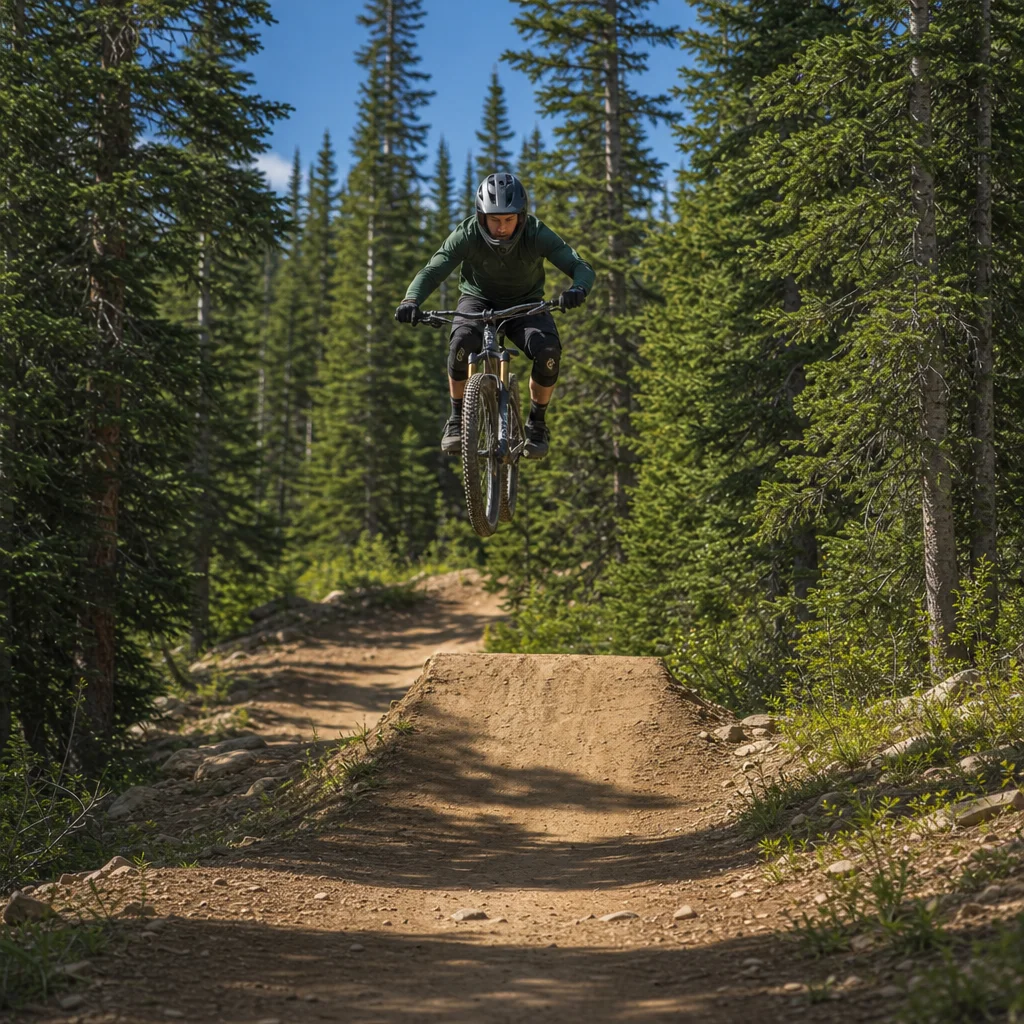
Rain jackets are easy to shop for until you need one on a real ride. A jacket that feels pleasantly light in a shop may turn clammy during a long climb, while a tougher shell may be reassuring in the woods but take up too much room for an emergency layer. The right choice depends less on finding the “best” feature and more on matching the jacket to how and where you ride.
For mountain biking in the Pacific Northwest and other wet regions, three qualities usually compete for attention: breathability, packability, and durability. Understanding what each one can—and can't—do will help you recover when the forecast changes, your shell wets out, or a brushy trail exposes a weakness in your gear.
Start with the job the jacket must do
A rain jacket used for a two-hour ride near town has different requirements from one carried on a full-day backcountry route. Before comparing fabrics and waterproof ratings, decide whether your jacket is primarily for riding through steady rain, surviving a short shower, blocking wind on exposed descents, or serving as an emergency layer if a mechanical problem leaves you waiting outside.
That distinction matters because every jacket is a compromise. A very light emergency shell may be excellent at keeping rain off for a limited time, but less suitable for repeated contact with branches or a backpack. A robust jacket may handle rough trails and frequent use better, but feel warmer and occupy more space in your pack. Neither is automatically wrong.
For most riders, the sensible approach is to choose the lightest jacket that still suits the terrain and weather you regularly encounter. If your routes are damp, wooded, and hard on clothing, durability deserves more weight in the decision than it would for a rider who mostly uses smooth gravel paths.
Breathability: useful, but not a guarantee of staying dry
Breathability describes how readily moisture vapor from your body can pass through the jacket. It doesn't mean the jacket actively removes sweat, and it can’t overcome every condition. During a hard climb, you may produce moisture faster than any shell can move it. High humidity, wet fabric, a tight pack, and blocked vents can all reduce how dry you feel.
This is where many riders misdiagnose the problem. If the inside of your jacket is damp after a steep climb, that doesn’t necessarily mean rain has leaked through. Sweat and condensation can create the same result. A jacket with pit zips or a two-way front zipper may manage excess heat more effectively than a nominally more breathable shell with no way to dump warm air.
Your clothing underneath also matters. A heavy cotton shirt can hold moisture against your skin, making the jacket seem at fault. A thin synthetic or wool-blend layer generally gives moisture somewhere to move while drying more readily when you open the jacket during a climb.
Breathability is most valuable when you’re moving steadily in cool, wet conditions and can manage your effort. It becomes less decisive when rain is intense, humidity is near saturation, or you’re riding slowly through technical terrain while wearing a loaded pack. In those situations, ventilation and pacing can matter as much as the fabric itself.
How to troubleshoot a clammy jacket
If your shell feels wet inside, first consider when the dampness appeared. Moisture that builds during a climb and eases when you unzip or stop is often condensation or sweat. Moisture that appears in one concentrated area may point to a leaking seam, a pocket opening, or pressure from a pack strap. Wet shoulders can also result from water entering around a poorly adjusted hood or collar.
Try opening vents before you become overheated rather than waiting until your base layer is soaked. Reduce the number of layers underneath, loosen a tight collar, and avoid covering ventilation panels with pack straps. If the problem continues in mild conditions, inspect the jacket’s care label and waterproofing treatment. Dirt, body oils, and improper washing can affect how the outer fabric handles rain.
Packability: convenience with limits
A packable jacket is easier to carry because you’re more likely to bring it. That is its main advantage. If a shell disappears into a jersey pocket, hip pack, or small frame bag, it can be available when a dry morning becomes a wet afternoon. For emergency use, this convenience may matter more than a small difference in breathability.
Packability usually involves lighter fabric, fewer bulky features, or a design that stuffs into its own pocket. Those choices can reduce weight and volume, but they may also reduce abrasion resistance and make the jacket less comfortable when worn over several layers. A very compact shell may be perfectly appropriate for a short ride with a favorable forecast and a quick route back to the car.
Don’t judge packability only by the size of the jacket when it’s neatly folded at home. Check whether you can put it away while it’s wet, whether the packed shape fits your actual storage, and whether you can retrieve it without unpacking half your gear. A jacket that technically fits in a pocket but displaces your spare tube and food isn’t very convenient in practice.
If you carry the jacket mainly as insurance, choose a model that is simple to deploy. A full-length zipper, a hood that fits under or over your helmet as intended, and cuffs you can adjust with cold hands are more useful than a few grams saved through a complicated design.
Durability: look beyond the headline fabric
Durability isn't just a question of thick material. Construction, seam placement, zipper quality, cuff design, and how the jacket fits all influence how well it handles mountain-bike use. A loose shell can snag on branches, while a tight shell may experience more stress at the shoulders and under the arms when you reach for the bars.
Think about the contact your jacket will face. Shoulder straps, dense brush, rocky hike-a-bike sections, and repeated packing can wear a lightweight shell faster than ordinary rain exposure. If you ride frequently in thick vegetation or carry a backpack, modestly heavier fabric and reinforced high-contact areas may be worthwhile.
Durability also includes resistance to repeated washing and reproofing. A jacket that performs well only when treated delicately may not be a good fit for a rider who uses it every week. Follow the manufacturer’s care instructions, because detergents, heat, and fabric treatments vary. Avoid assuming that a generic waterproofing product is suitable for every membrane or coating.
A durable jacket still needs sensible handling. Don’t stuff it into a pack while covered in grit if you can shake or rinse the dirt away first. Store it dry, and inspect seam tape, zippers, cuffs, and the hood after demanding rides. Small failures are easier to address before a wet-weather trip than beside a trail with no shelter.
Check the shell before the next wet ride: Confirm the care instructions, seam and zipper condition, hood and cuff adjustments, and any current manufacturer guidance for cleaning or reproofing. Product construction and recommended treatments vary, so use the label or manufacturer’s latest instructions rather than relying on a universal routine.
Match the trade-offs to common riding situations
For changing weather on a local ride, prioritize reliable water resistance, easy storage, and enough ventilation to handle short climbs. You may not need a heavily reinforced shell, but you do need to be able to put it on quickly without stopping for a lengthy adjustment. A jacket that lives in your riding pack should be compact enough that you’ll carry it consistently.
For long, hard climbs in wet weather, breathability and ventilation become more important. You’ll probably still sweat, but a shell that lets you regulate heat can prevent the damp, chilled feeling that arrives when you stop. Look for useful venting and a fit that allows your arms and shoulders to move freely. Don’t expect a rain jacket to make intense uphill effort feel dry; the goal is to manage moisture, not eliminate it.
For brushy or rough trails, give durability more attention. Check the fit with your normal pack, gloves, and layers. Make sure the hem doesn’t ride up when you lean forward and that the sleeves cover your wrists in the riding position. A slightly more protective jacket may be the better choice if a delicate shell will spend its life catching on branches.
For emergency use, prioritize dependable coverage and simplicity. A lightweight jacket can be entirely sensible if it is carried consistently and used as a temporary barrier against rain and wind. But consider the consequences of being delayed in cool, wet conditions. If your routes are remote, your rides extend into the evening, or you frequently face shoulder-season weather, a more protective shell may justify its extra bulk.
Fit and features that matter on a bike
A mountain-bike rain jacket should fit differently from a casual street jacket. You need enough room to reach the bars, but excessive fabric can flap, snag, or catch water. Try it in a riding position with the layers you actually wear. Check the back length, sleeve coverage, collar comfort, and whether the cuffs work with your gloves.
A hood is useful only if it works with your helmet and doesn’t obstruct your vision when you turn your head. Some riders prefer a low-profile hood they can wear under a helmet; others want one that fits over it for maximum rain coverage. Either way, test the adjustment before a storm rather than discovering its limitations on a descent.
Pockets should be usable while riding or stopped, depending on your priorities. A pocket that keeps your phone dry is valuable, but pocket openings can also create leak points if they’re poorly designed or left open. A full-length zipper is generally easier to regulate than a pullover when you’re overheating, although it may add weight or bulk.
A simple recovery plan when weather turns
If rain begins during a ride, put the jacket on before you’re soaked. Wet clothing and rising wind chill can make it harder to warm up later, especially after a puncture or fall. On a climb, open vents or the front zipper enough to manage heat; on an exposed descent, close them before you accelerate.
If the jacket wets through, determine whether the failure is localized or widespread. A single wet shoulder or pocket may indicate a seam, zipper, or pack-pressure issue. Widespread saturation could mean the outer treatment has lost effectiveness, the fabric is contaminated, or the conditions exceed the jacket’s intended use. Once you reach shelter, change into a dry layer if you have one and avoid relying on a wet shell as your only protection for a long stop.
After the ride, let the jacket dry according to its care instructions and inspect it rather than immediately packing it away. If it repeatedly fails in conditions it should handle, consider whether cleaning, reproofing, repair, or replacement is the appropriate fix. No jacket lasts indefinitely, but many failures become worse because they’re ignored.
The best mountain-bike rain jacket is the one whose compromises fit your rides. Choose breathability and ventilation when hard climbing is common, packability when carrying the jacket is the main challenge, and durability when branches, packs, and frequent use are unavoidable. For many riders, a moderately light shell with dependable coverage, sensible vents, and a bike-specific fit is a better long-term choice than the most extreme option in any single category. Carry it consistently, learn how it behaves before bad weather arrives, and adjust your layers and pace as part of the system.