Mountain Bike Tire Inserts: When Their Weight Is Worth Carrying
Tire inserts can protect rims and support lower pressures, but their weight and repair demands matter. I’ll help you weigh rider size, rocky terrain, rim strikes, tire pressure, and maintenance before choosing a setup.
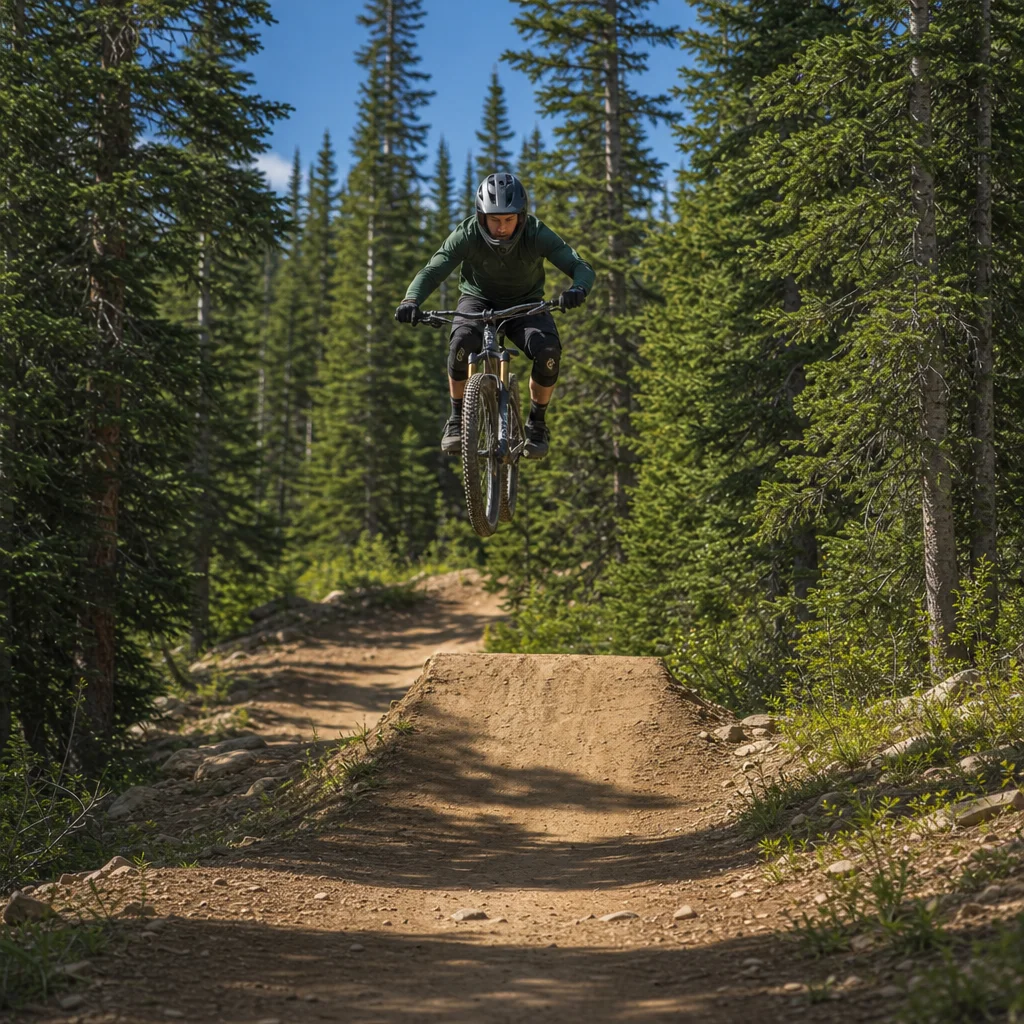
Tire inserts make the most sense when they solve a problem you regularly have, not simply because the trail is labeled technical. They can reduce the consequences of hard rim strikes, let you run enough pressure for traction, and add a measure of control when a tire begins to lose air. They also add rotating weight, complicate installation, and can turn a routine trail repair into a more involved job.
For riding in rocky and technical terrain, the decision comes down to risk reduction. You’re asking whether the protection and support are worth carrying on every ride, including the rides where you never need them. The answer depends on your weight, tires, rims, riding style, and how costly a damaged rim or failed tire would be.
What inserts actually do
A tire insert is a foam or similar structure installed inside a tubeless tire. Once inflated, it occupies part of the air volume and sits between the tire and rim. During a hard impact, the insert can provide a buffer that reduces the chance of the rim striking the ground directly. It can also support the tire’s sidewalls and tread, which may make the bike feel more stable when you’re cornering or landing on uneven ground.
That protection is useful, but it isn’t absolute. An insert won’t make a tire impossible to puncture, eliminate sidewall cuts, or compensate for poor line choice. A sharp rock can still damage the casing, and an impact severe enough to destroy a tire or rim can overwhelm the insert as well. Think of it as another layer in a system that includes suitable tires, sensible pressure, accurate setup, and riding technique.
Some inserts are designed primarily as rim protection, while others place more emphasis on tire support or emergency run-flat capability. The construction and intended use vary, so two products that look similar may behave differently. The insert’s size must also suit the tire and rim combination; a poor fit can make mounting difficult or affect how the tire seats.
Start with the problem you’re trying to prevent
Frequent rim strikes are the clearest reason to consider inserts. If you regularly hear a sharp impact, find dents in an alloy rim, damage a rim tape, or burp a tubeless tire during aggressive cornering, an insert may reduce the frequency or severity of those incidents. It can be particularly useful when the terrain forces you to absorb square-edged rocks and ledges at speed.
You should still investigate why the strikes are happening. Pressure that’s too low for your weight and tire casing is a common factor, but so are tired suspension settings, an underbuilt tire, poor body position, or repeatedly choosing lines that drive the wheel into an obstacle. An insert may protect the rim while leaving the underlying problem unchanged. If you’re striking through the suspension or losing control before the impact, more foam isn’t the complete solution.
Inserts are also worth considering if a damaged rim would end a long ride or create a costly repair. That value is personal. A rider who lives near a bike shop and rides short loops may accept more mechanical risk than someone who regularly spends several hours away from assistance. The insert’s weight is the same in both cases, but its potential benefit isn't.
Rider weight and tire pressure change the calculation
Heavier riders generally place greater loads on the tire during compressions, landings, and off-camber impacts. That doesn’t mean rider weight alone determines whether you need inserts. It means you have less margin for a pressure or casing choice that would be forgiving for a lighter rider. A heavier rider on a light tire casing and low pressure is a more likely candidate than a lighter rider on a robust casing at an appropriate pressure.
Your riding gear and pack count, too. Use your realistic riding weight rather than an unloaded body weight when evaluating how the tire behaves. A full hydration pack, tools, and protective equipment can noticeably change the load on the wheels.
Pressure is just as important. Lower pressure can improve grip and comfort, but it also increases the chance of rim strikes, tire squirm, and burping. Higher pressure reduces those risks but can make the bike skip across rocks and lose traction. Inserts can give you more protection at a given pressure, but they shouldn’t be used as an excuse to run pressure so low that the tire feels vague or repeatedly bottoms out.
There isn’t one correct pressure for every rider or tire. Begin with the tire manufacturer’s guidance and your rim’s requirements, then make small changes while paying attention to rim strikes, cornering stability, traction, and casing movement. Record what works on familiar trails rather than changing pressure and inserts at the same time.
Confirm the Tire-and-Rim Match
Before installing an insert, check the current manufacturer’s compatibility guidance for your tire size, rim width, tubeless setup, valve arrangement, and minimum pressure. Also confirm whether the insert requires a specific valve or installation method; an apparently suitable combination can be difficult to seat or service if those details don’t match.
Tire casing and rim choice may solve the problem first
An insert isn't always the most efficient upgrade. If your tires have thin casings and you ride sharp, rocky trails, moving to a sturdier casing may improve reliability without adding a second component inside the tire. A stronger tire can resist cuts and deform less under load, though it may also be heavier and less supple.
Rim width and construction matter as well. A rim that is too narrow or too light for your tire and riding may contribute to instability and impacts. Conversely, a tire that doesn’t suit the rim’s internal width may have an awkward profile that makes pressure choices harder. Before adding an insert, look at the complete wheel system: tire casing, tire volume, rim width, rim strength, and pressure.
This is one reason inserts shouldn’t be treated as a universal upgrade. If the tire is already appropriate and your main issue is occasional rim damage, an insert may be a sensible addition. If the tire is constantly cutting or rolling on the rim, addressing the tire or wheel choice may provide more useful protection per dollar and per gram.
Consider front and rear wheels separately
The rear wheel usually takes more abuse because it carries more of your weight and receives harsher square-edged impacts. It also tends to be the wheel most riders damage first. A rear-only insert can therefore be a reasonable compromise for riders who want protection without adding the weight to both wheels.
The front tire has a different job. It helps steer and maintain grip, and extra support may improve confidence in rough corners. However, a front insert can make the steering feel heavier, particularly if the total wheel weight is already high. You may prefer a more supportive front tire casing and an insert only in the rear, or inserts in both wheels if rim protection and low-pressure support are central to your riding.
The best arrangement is the one that addresses your actual failures. If you only dent rear rims, start there. If both tires burp or you frequently ride fast through rock gardens, the additional protection at both ends may justify the weight.
The weight is most noticeable when it rotates
An insert’s weight isn't the same as adding weight to a water bottle. It becomes part of the wheel’s rotating mass, so you may notice slower acceleration, a slightly less lively bike, or more effort when changing direction. The effect depends on the insert’s mass, your tires and rims, your fitness, and how sensitive you are to changes in handling.
That doesn’t make the weight automatically bad. A wheel that stays inflated and keeps its rim intact is more useful than a lighter wheel that leaves you walking out of the woods. The practical question is whether the insert’s protection is used often enough to justify the constant cost in acceleration and carrying weight.
For many riders, a rear insert offers a useful middle ground. You gain protection where impacts are common while avoiding some of the handling penalty of installing a pair. If you rarely damage rims and value a light, responsive bike on long climbs, robust tires and carefully tuned pressure may be the better choice.
Repairs become more complicated
The biggest drawback often appears after a puncture rather than during normal riding. Depending on the design, the insert can make it harder to access the tire bead, install a tube, remove a damaged tire, or work a plug into a cut. Some inserts can remain in place during certain repairs, while others need to be removed or repositioned. Carrying the right tools and knowing the procedure matters more than simply packing a tube.
A tubeless plug may still repair a small puncture normally, but a large cut can release sealant and leave the insert saturated. That adds mess and may require drying or cleaning before the system is restored. If your rides are remote, practice removing the tire and handling the insert at home. Discovering that your tire lever setup can’t overcome the bead tension on a wet, muddy trail is a poor form of field testing.
You may also need more sealant or more frequent inspection, depending on how the insert holds sealant and how easily you can check its condition. Follow the insert maker’s maintenance instructions, and inspect the rim tape, valve area, tire bead, and insert whenever you remove the tire. Foam can wear, tear, or absorb sealant over time.
A sensible decision process
You’re a strong candidate for inserts if you regularly ride sharp, rocky terrain; have repeated rim strikes or burps; run pressures near the low end for traction; carry significant rider and gear weight; or ride far from easy assistance. The case is stronger when a rim or tire failure has already cost you rides and when you’re comfortable accepting additional setup work.
You may not need them if your tires and rims are already appropriately robust, you rarely experience impacts or burps, and you prioritize efficient climbing and simple repairs. In that situation, spend time establishing pressure and suspension settings before adding hardware. A few careful changes may solve the problem with less weight and complexity.
If you’re undecided, test one insert in the rear tire on the terrain that causes the most trouble. Keep the tire and pressure otherwise consistent, and compare rim strikes, cornering feel, climbing effort, and repair difficulty over several rides. Don’t judge it only by whether you avoided damage on one outing; inserts are partly an insurance choice, so their value may be clearest when they prevent an expensive failure.
Tire inserts are worth carrying when they protect against a likely and meaningful problem. Choose them as part of a matched tire, rim, and pressure system, not as a substitute for those decisions. For a lot of intermediate riders in rocky terrain, a rear insert is the most balanced starting point: it targets the wheel that often takes the hardest hits while keeping weight and maintenance more manageable. If your riding exposes both wheels to repeated impacts, the extra protection may justify a full setup.