Choosing Knee Protection for Pedal-Heavy Trail Rides
I’ll compare knee sleeves, low-profile pads, and more protective options for pedal-heavy trail rides, focusing on where your money is best spent. You’ll see how comfort, climate, fit, and terrain affect the choice.
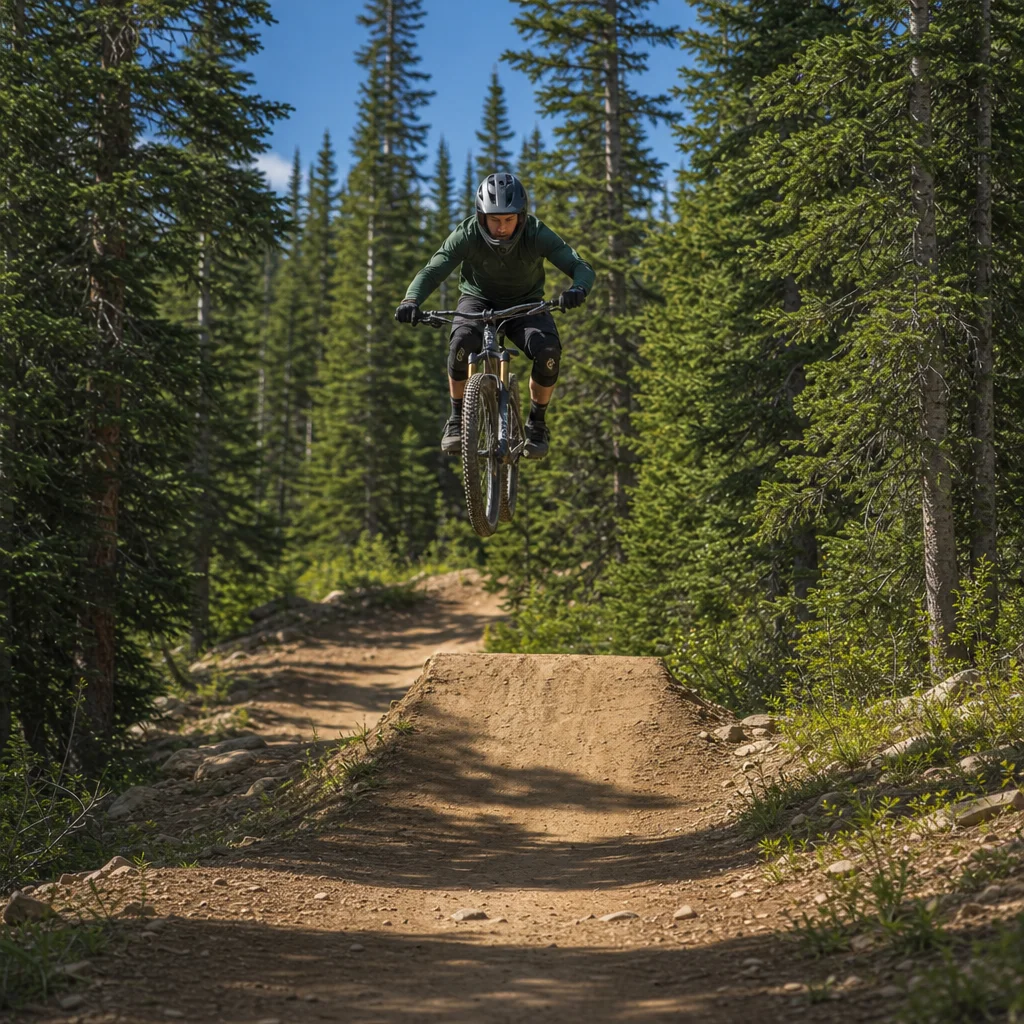
Pedal-heavy trail rides expose the main compromise in knee protection: the equipment that offers the most coverage and impact protection can also be the equipment you’re most likely to remove, overheat in, or leave at home. Choosing well means matching protection to the consequences of a fall rather than automatically buying the burliest option.
For many intermediate riders, the sensible choice sits between a thin compression sleeve and a full downhill-style guard. A lightweight pad can provide useful coverage for rocky, technical sections without turning every climb into a test of patience. The right answer depends on how much pedaling your rides include, the climate, the terrain, and whether you’re trying to solve impact risk, abrasion, or simple confidence.
Start with the risk you’re actually managing
Knee protection serves several different purposes. A sleeve may keep scrapes, dust, and light trail debris off your skin while offering warmth and a small amount of padding. A low-profile pad adds a shaped impact zone over the kneecap and sometimes the sides of the knee. A more substantial guard usually extends farther down the shin and uses thicker or more structured impact material.
Those categories overlap, and product names aren’t standardized enough to tell you exactly how a pad will perform. A “trail” guard from one brand may be little more than a padded sleeve, while another may include a substantial shell, side protection, and a longer cuff. Look beyond the label and inspect the construction, coverage, closures, and published impact-testing information.
Think about the likely outcome of your common crashes. If you’re mostly concerned about branches, gravel, and shallow slides, a sleeve or slim pad may solve the problem without adding much bulk. If your trails contain sharp rocks, awkward ledges, frequent low-speed dab crashes, or exposed sections where a direct knee impact is plausible, more structured protection becomes easier to justify. It won’t make a crash safe, but it can reduce the amount of skin and joint area directly exposed to the trail.
Check the protection standard: Before buying, read the manufacturer’s current specification for the exact model, including the coverage and any impact-testing standard it claims to meet. Standards, ratings, and product revisions can vary by region and change over time, so don’t infer protection from a product name or marketing photograph alone.
How the main options compare
Lightweight sleeves: the lowest-cost, highest-comfort choice
A thin sleeve is often the most economical starting point. It packs small, weighs little, and is generally easy to wear throughout a long ride. In cool conditions, it can also provide a little warmth around the knee. Some sleeves use abrasion-resistant fabric or include a thin pad over the kneecap, but the amount of impact protection can be modest.
This option makes sense when your primary concerns are scrapes, sun, dust, or keeping the joint warm. It’s also useful when you’re still determining how much protection you’ll actually wear. A sleeve that stays comfortable for an entire ride can be more valuable than a heavily armored guard that gets pushed into a pack before the first climb.
The limitation is straightforward: thin fabric and light padding don’t provide the same protection as a properly fitted impact guard. A sleeve can also shift during a crash if it has no reliable cuff, gripper, or close fit. Treat it as coverage and light protection, not as a substitute for a substantial pad on terrain where hard knee impacts are a realistic possibility.
Low-profile pads: the useful middle ground
Low-profile knee pads are designed for riders who want meaningful impact coverage without the bulk associated with gravity-oriented protection. They commonly use a flexible foam or molded insert over the kneecap, with fabric extending above and below the joint. Some designs add narrow side panels or a small amount of shin coverage.
For pedal-heavy riding, this category often offers the best balance. You can wear the pads for technical descents, short hike-a-bike sections, and rough traverses without carrying a large pair of guards all day. Many are flexible enough to pedal in, though “pedal-friendly” still depends on the pattern, fabric, temperature, and your own tolerance for pressure behind the knee.
The trade-off is that low-profile pads may leave the sides of the knee and upper shin less protected than larger guards. Their inserts can also be thinner, softer, or less stable than those in gravity-focused models. They’re a good fit for mixed trail riding, but don’t assume that a slim silhouette means equivalent protection in a direct impact.
More protective guards: worthwhile when exposure is higher
Larger knee guards make more sense when your descents are rough enough that a knee-to-rock impact is among your credible crash scenarios. They may use thicker foam, a hard or semi-rigid shell, reinforced side coverage, and a longer lower section. Some are intended to work with shin guards or other downhill equipment.
The cost is paid in more than money. Bulk can interfere with pedaling, especially if the guard presses into the back of the thigh or catches against the saddle. Heavier materials can hold more heat and moisture, and a complicated closure system may make the pads less convenient to carry between climbs. If you buy this type of protection for occasional descents, make sure you have a realistic plan for transporting it during the approach.
A substantial guard is a sensible resource when replacing damaged skin, clothing, or gear is a recurring cost—or when the consequences of a crash would be particularly inconvenient. It becomes poor value if it’s so uncomfortable that you routinely ride without it in the conditions where you bought it to help.
Climate changes the value calculation
Heat and humidity can turn a comfortable pad into a distraction. Look for breathable panels, perforated inserts, moisture-managing fabric, and a design that doesn’t trap a thick band of material behind the knee. These features won’t make an armored pad feel like bare legs, but they can determine whether you keep it on for the full ride.
In hot conditions, a sleeve or low-profile pad may be the option you use most consistently. You can also reserve heavier protection for the descent and carry it during the climb, provided the pad packs securely and you’re willing to manage the transition. That approach reduces heat exposure but introduces its own cost: more stops, more packing, and more opportunities to forget or misplace the equipment.
Cold or wet conditions change the balance. A thicker pad may be more comfortable when your legs aren’t overheating, but wet fabric can become heavier and slower to dry. If you ride in frequent rain, consider how easily the pads can be rinsed and dried without damaging elastic panels, adhesives, or inserts. A product that requires delicate handling may cost more in time than its price suggests.
Fit matters more than the advertised size
A knee pad should remain positioned over the kneecap as you pedal, stand, and move through a riding position. It shouldn’t cut into circulation, pinch behind the knee, or migrate down your shin. Check the manufacturer’s measurement method rather than assuming your clothing size will transfer directly to protective equipment.
Try the pad in a riding stance if possible. A guard can feel fine while standing upright and become restrictive when your knee is bent for a long climb. Pay attention to the top and bottom edges, especially if you’ll wear the pad beneath pants. Excess fabric, a thick insert, or a rigid edge may create pressure that only appears after repeated pedal strokes.
Sleeves rely heavily on compression and gripper material to stay in place. Pads with straps may offer more adjustment, but straps can create pressure points or loosen as the fabric becomes damp. A secure fit isn't necessarily the tightest fit; it’s the fit that holds the protection in place without making you think about it every few minutes.
Spend first on coverage you’ll use
If your budget is limited, avoid paying for features that don’t match your riding. A well-fitting low-profile pad may be a better purchase than an expensive, highly armored guard that spends most rides in a drawer. Conversely, buying an ultralight sleeve for rocky, consequence-heavy descents can be false economy if it doesn’t address the main risk.
A useful buying sequence is to identify your most demanding regular terrain, then choose the lightest category that provides credible coverage for it. If most rides are long loops with a few technical descents, prioritize ventilation, low bulk, and easy carrying. If the technical sections are the reason you ride—and they involve frequent falls or hard surfaces—put more of the budget toward impact coverage and stable fit.
You can also divide the job between two products. A thin sleeve may cover warm-up rides, smoother trails, and shoulder-season outings, while a low-profile or more protective guard comes out for rocky routes. This costs more initially, but it can extend the useful life of each item and avoid forcing one compromise onto every ride. Keep the system simple enough that you’ll actually choose the appropriate pair.
Inspect the details that affect durability
Repeated pedaling places stress on seams, elastic cuffs, and the fabric behind the knee. Examine stitching around high-flex areas and look for reinforcement where the pad contacts the frame or rubs against clothing. Removable inserts are convenient for washing, but the pocket should hold them securely and resist stretching over time.
Maintenance is part of cost efficiency. Follow the care instructions, rinse away grit, and let the pads dry fully before storing them. Don’t use heat or solvents unless the manufacturer specifically allows them; adhesives, foams, and elastic materials can respond poorly to aggressive cleaning. Replace a guard when its insert, shell, straps, or fabric has visibly degraded, or when it no longer stays in its intended position.
A crash doesn’t automatically make every pad unusable, but impact materials may be damaged without obvious external marks. Check the product’s current care and replacement guidance, particularly if the guard took a hard, direct hit. If the insert has cracked, torn, permanently compressed, or shifted inside its pocket, treating it as unchanged protection is an unnecessary gamble.
A practical decision for your next ride
Choose a lightweight sleeve when comfort, abrasion coverage, and packability matter most and your terrain has limited hard-impact exposure. Choose a low-profile pad when you want a daily trail option that balances pedaling comfort with useful kneecap protection. Choose a larger guard when rocky terrain, repeated falls, or the consequences of a direct impact justify its extra heat, weight, and carrying hassle.
Before buying, compare actual coverage, fit measurements, insert construction, ventilation, care requirements, and any current testing information—not just the price or the word “trail.” If you’re uncertain, start with the least bulky option that addresses your realistic crash risk, then pay attention to whether it stays in place and remains comfortable over a complete ride. Protection only provides value when it fits properly, matches the terrain, and is practical enough to use consistently.