The Difference Between Being Tired and Being Too Fatigued to Ride Safely
I’ll help you distinguish ordinary tiredness from fatigue that has started to compromise judgment, braking, balance, or pacing, so you can make a safer call about continuing, turning back, or ending the ride.
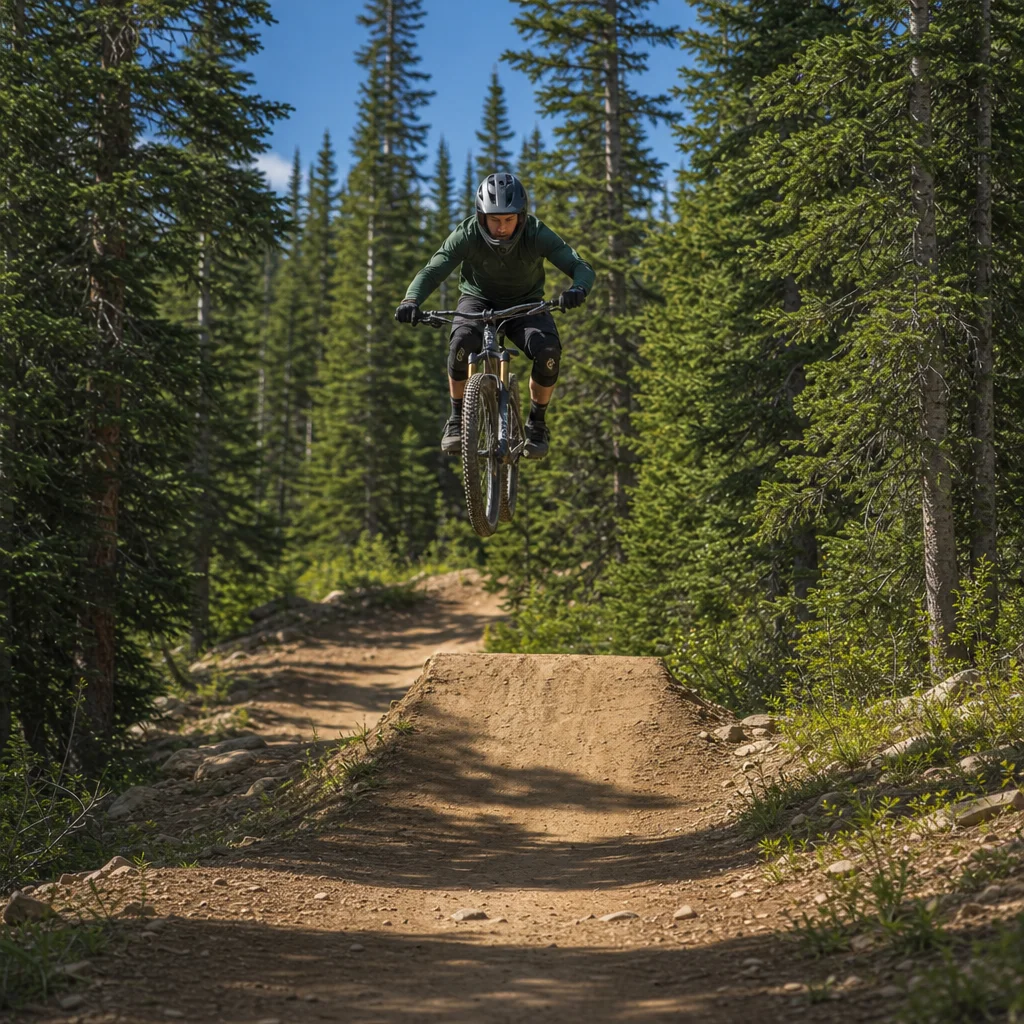
Feeling tired after a climb is normal. Mountain biking asks you to work hard, and some of the best rides finish with heavy legs and a slower pace. The problem is that fatigue can gradually change from discomfort into impaired decision-making, often before you admit that continuing is a bad idea.
The useful question isn’t simply, “Am I tired?” It’s, “Can I still control the bike and make sensible decisions for the terrain ahead?” That requires looking at your riding, not just how your legs feel. A tired rider may need to slow down and recover. A dangerously fatigued rider may need to stop riding altogether.
Tiredness and unsafe fatigue aren’t the same thing
Ordinary tiredness is usually predictable and manageable. Your breathing settles when you stop. You can hold a conversation, follow the trail, and choose a reasonable line. Your reactions may be less sharp than they were at the start, but they remain consistent. After food, water, a short rest, or an easier section of trail, you feel noticeably more capable.
Unsafe fatigue affects the skills that keep a mountain bike under control. You may still feel motivated to reach the next junction or finish the descent, but your attention, timing, and judgment are deteriorating. Rest might help briefly, yet you return to the same mistakes almost immediately. At that point, determination is no longer a reliable measure of whether you should continue.
Fatigue is also easy to misread because it doesn’t always feel dramatic. You mightn't feel exhausted; you might simply become impatient, inattentive, or unusually willing to accept risks. A rider who normally brakes before a technical feature may suddenly enter too fast, miss a turn, or tell themselves that a difficult line will “probably be fine.” Those changes matter even if your muscles still feel capable.
Look for changes in your riding
Your bike provides useful feedback. Pay attention to repeated errors rather than one isolated bobble. Everyone dabs a foot, misjudges a rock, or takes a less-than-perfect line occasionally. A pattern suggests that fatigue is affecting control.
Warning signs include:
- braking later than intended or grabbing the brakes abruptly
- entering corners too quickly and struggling to slow down
- clipping pedals, catching a foot, or repeatedly losing your preferred body position
- drifting across the trail or missing obvious line choices
- forgetting turns, trail features, or instructions from a riding partner
- struggling to maintain a steady cadence and then surging unpredictably
- standing when you meant to sit, or remaining seated when you normally need to move around the bike
- making the same mistake after you’ve already recognized it
These signs are more concerning when they appear on terrain you normally manage comfortably. A difficult trail can expose skill limits, but a sudden decline on familiar ground is a stronger indication that your current condition has changed.
A useful self-check is to ask whether you can describe the next section accurately. Do you know where the technical features are, where you’ll brake, and what your escape options are? If you can’t remember what you just rode or you’re making decisions only a few feet before obstacles, reduce the demand immediately. Don’t use a difficult descent to test whether your concentration has returned.
Separate tired legs from a tired decision-maker
Leg fatigue is uncomfortable, but it doesn’t automatically make riding unsafe. If your legs are heavy while your vision, balance, and judgment remain steady, you may be able to continue at a slower pace on suitable terrain. Choose an easier gear, stay seated more often, and avoid treating the remaining distance as a race.
The decision changes when your upper body and attention stop working well. Trouble holding a relaxed grip, delayed reactions, poor balance, tunnel vision, and confusion aren't problems you should solve by riding more carefully through the next technical section. They indicate that your ability to respond to a surprise—such as a loose rock, a closing gap, or another trail user—has been reduced.
Emotional changes deserve attention too. Irritability, overconfidence, apathy, and a strong urge to “get it over with” can all lead to poor choices. So can embarrassment about stopping in front of a group. If you find yourself hiding mistakes, dismissing reasonable concerns, or taking risks to avoid looking slow, treat that as evidence against continuing.
Check the causes before choosing a response
Fatigue often has more than one cause. A long climb, inadequate food, hot weather, poor sleep, dehydration, illness, and accumulated stress can combine. You don’t need to identify the exact cause before making a safe decision, but understanding the likely contributors helps you decide whether a short recovery is realistic.
If you’re hungry, thirsty, overheated, or simply under-fueled, stop in a safe place and address that problem. Move out of the riding line, get shade where possible, drink according to your needs, and eat something you can tolerate. Give yourself enough time to notice whether your thinking and coordination improve; a hurried sip while straddling the bike isn't a meaningful recovery plan.
A pause can restore comfort without restoring safe performance. After resting, check yourself rather than relying on motivation. Can you speak normally? Is your breathing settling? Are you steady when standing beside the bike? Can you explain the route and the next decision? If you still feel foggy, uncoordinated, unusually weak, or unable to focus, don’t continue riding technical terrain.
Don't treat symptoms that suggest illness or a heat-related problem as ordinary ride fatigue. Severe headache, faintness, vomiting, chest discomfort, unusual shortness of breath, confusion, loss of coordination, or rapidly worsening symptoms call for stopping and seeking appropriate help rather than trying to ride out. If someone becomes unresponsive or appears seriously unwell, contact local emergency services and follow the directions you’re given.
Check the way out before you commit: Before continuing, confirm the current trail status, the easiest route back, your phone coverage or communication plan, and the local emergency number. Conditions, access, and rescue arrangements vary by area, and a fatigued rider has less margin for discovering that the planned exit is unavailable.
Use a conservative decision process
When you’re uncertain, make the decision in stages. First, stop riding and get yourself and your bike out of the active trail corridor. Second, assess your symptoms and recent riding errors. Third, reduce the available choices to realistic options: continue on an easier route, walk the bike, turn back, arrange a pickup, or end the ride where you are.
Continuing is reasonable only when your condition improves clearly and the remaining route matches your reduced capacity. That might mean staying on a smooth access road instead of entering a rocky descent, or choosing a short loop instead of the remote extension you originally planned. “I can probably finish” is weaker evidence than “I’m riding predictably again, and the route ahead is within that ability.”
Turning around is usually the right choice when fatigue is worsening, when the route ahead is more technical or remote than the route behind, or when you’re relying on a partner to make every decision. It may still be necessary to walk downhill or ask for assistance. Walking isn't a failure of the ride; it is a way to reduce the consequences of reduced control.
If you’re riding with others, tell them plainly what has changed. A group can help with navigation, water, mechanical issues, and an orderly return, but it can also create pressure to keep up. Set a pace that lets the least capable or most fatigued rider remain in control. A partner who keeps asking whether you’re okay is giving you a useful opportunity to stop, not challenging your toughness.
Prevent the late-ride decision problem
The best recovery decision is often made before fatigue becomes severe. Plan routes with a realistic time and energy margin rather than using every available minute. Keep food, water, basic repair equipment, and a way to communicate appropriate to the location and conditions. Know where the route becomes more difficult, and avoid placing the hardest descent at the point when everyone is most depleted if you have a choice.
During the ride, notice trends. If your pace is dropping steadily, your breaks are becoming longer, and your errors are increasing, respond early. An easier gear, a brief stop, or a change in route is more effective before you’re deeply fatigued. You should also pay attention to fatigue that began before the ride: poor sleep, illness, a demanding workday, or another hard training session can reduce your margin from the first pedal stroke.
A simple personal rule can help: if you make two or three similar control errors, stop and reassess before riding another feature. The exact number isn’t a medical threshold, but a pre-decided rule prevents you from negotiating with yourself after every mistake. You can make the rule stricter for wet conditions, unfamiliar trails, solo rides, or routes with serious consequences for a fall.
Make the conservative call normal
Being tired is part of mountain biking. Being too fatigued to ride safely is a change in capability, and it deserves the same respect as a mechanical problem or worsening weather. You don’t need to prove that you’re at the absolute limit before stopping. A noticeable decline in braking, balance, attention, pacing, or judgment is enough reason to lower the route’s demands or end the ride.
Next time you notice those changes, stop somewhere safe, address the obvious needs, and test your condition on easy terrain rather than committing to the next technical feature. If control and judgment return, choose a simpler finish with plenty of margin. If they don’t, walk, turn back, or get help. The successful outcome isn't completing the planned line; it’s getting yourself and your bike home with the ability to ride another day.