How to Give Useful Trail Feedback After a Near Miss
I’ll help you turn a near miss into a concise, useful trail report by separating observable facts from assumptions, capturing the few details that matter, and choosing language that improves safety without blaming other riders or overstating the hazard.
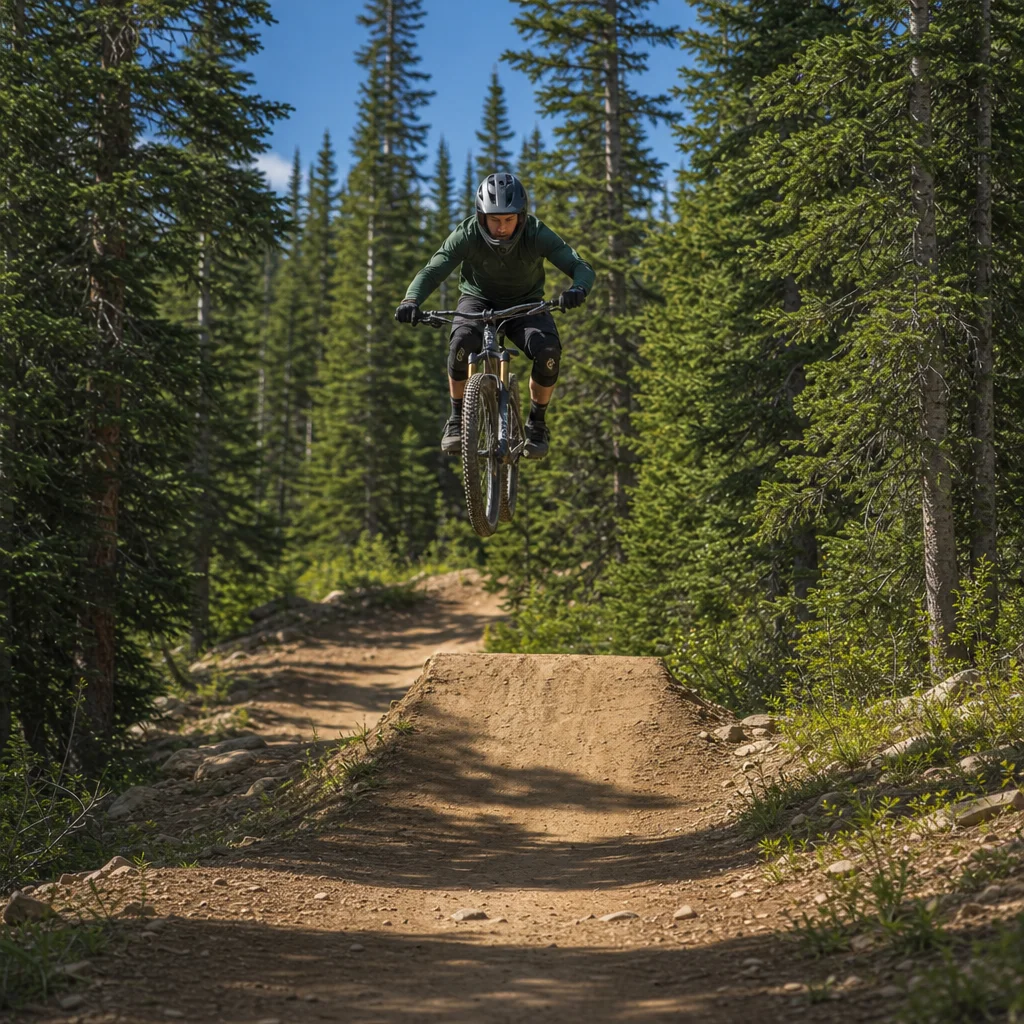
A near miss can leave you with a strong impression but very little useful information: “That section was dangerous,” or “Someone nearly hit me.” If you report only the feeling, trail managers may struggle to locate the problem or decide what to change. If you report too much speculation, the important details can get lost.
Useful feedback is simpler. Describe what happened, identify where and when it happened, explain what made the situation difficult, and suggest a reasonable next step. You don’t need to determine who was at fault or prove that a trail is unsafe. Your job is to provide a clear account that helps the people responsible for the trail investigate it.
Make the situation safe before you document it
Move out of the riding line before stopping to make notes, take a photograph, or discuss the incident. On a narrow trail, a rider who is focused on recording a hazard can create another near miss. If someone is injured or there’s an immediate danger such as a fallen tree, damaged bridge, exposed hardware, or an unstable slope, deal with urgent safety needs first and use the appropriate emergency or trail-management contact.
A near miss doesn’t automatically mean that the trail needs to be closed. It does mean you should pay attention to whether the same condition could affect the next rider. If you can safely warn approaching users without blocking the trail or creating confusion, do so briefly. Avoid standing in a blind corner, and don’t confront another trail user while you’re still angry or shaken.
Give yourself a moment before writing. Adrenaline tends to turn a close call into a conclusion: “The rider was reckless,” “The jump is too dangerous,” or “Nobody maintains this place.” Those conclusions may eventually be relevant, but they aren’t the clearest starting point.
Record the few details that matter
You usually need less information than you think. Capture the details that allow someone else to find the location and understand the interaction:
- Where: Trail name, direction of travel, nearby junction, feature, landmark, or map location.
- When: Date and approximate time, including whether the trail was busy or quiet.
- What you were doing: Riding uphill, descending, entering a blind turn, crossing a road, or approaching a feature.
- What happened: The observable sequence of events, in order.
- What made it difficult: Limited sight distance, excessive speed, loose surface, poor drainage, confusing signs, overgrown vegetation, or an unexpected trail user.
- What prevented a collision: Braking, moving aside, stopping, a wider trail, or another rider’s response.
- What could help: Trimming vegetation, repairing the surface, clarifying a sign, improving sight distance, or reviewing the trail layout.
A short note made soon afterward is often more reliable than a polished account written later. If you use your phone, record a voice memo or type fragments rather than trying to compose a formal report beside the trail. Note whether your location is an estimate. A photo can help, but take it only from a safe position and avoid photographing people in a way that turns the report into a public accusation.
Describe distances in terms other people can picture. “The turn felt blind” is less useful than “I couldn't see the uphill approach until I was about one bike length from the corner.” You don’t need survey equipment. An approximate distance, direction, or landmark is enough if it helps a manager locate the issue.
Separate observation from interpretation
The most useful reports distinguish what you saw from what you believe it means. For example:
“At about 10:30 a.m., I was descending toward the wooden bridge on the northbound section of Pine Loop. A rider traveling uphill appeared around the left-hand bend, and we both braked hard. We passed with little space. Vegetation on the inside of the bend limited my view of the approach. Trimming the vegetation or reviewing the sight line may give riders more warning.”
This account gives the reader a location, time, direction, sequence, contributing condition, and possible remedy. It doesn’t claim that the other rider was speeding, that the vegetation caused the entire incident, or that a collision was inevitable.
Compare that with: “A reckless rider flew around a dangerous blind corner and nearly took me out.” That wording may reflect how the encounter felt, but it combines several judgments. Unless you measured the rider’s speed, you can’t know exactly how fast they were traveling. “Appeared to be traveling quickly for the conditions” is still an interpretation; use it only if it adds something that the rest of your description can't convey.
When another person’s behavior is central, describe movement rather than character. “The rider crossed from the outside of the trail to the inside while I was entering the turn” is more useful than “The rider was careless.” If you didn’t hear a bell, say that you didn’t hear one; don’t state that the rider gave no warning unless you had a clear opportunity to hear or see it.
Keep the report focused on the hazard
A near miss can involve several possible causes, but a minimalist report should identify the one or two factors most worth investigating. Ask yourself what a trail manager could reasonably change:
- Is the approach hidden by vegetation, a berm, or the trail’s shape?
- Does the trail narrow where two users need to pass?
- Is the surface rutted, muddy, loose, or unexpectedly slick?
- Are signs missing, hard to see, or positioned where a rider can’t read them in time?
- Does a junction combine users moving in conflicting directions?
- Has a feature changed because of erosion, construction, drainage, or fallen debris?
Don’t recommend a solution with more confidence than your evidence supports. “A mirror is needed” may not be appropriate for a remote trail, while “The sight line appears limited; could this location be assessed?” gives the responsible organization room to consider trimming, rerouting, signage, or another response.
Also explain what the hazard is likely to affect. A blind approach may matter most when riders travel in opposite directions. A muddy patch may be a traction problem for bicycles, pedestrians, and equestrians alike. A protruding root might be manageable at low speed but difficult to see in wet or low-light conditions. This context helps a manager prioritize without requiring you to redesign the trail from your phone.
Check the right reporting route: Before submitting your note, confirm the current contact method for the land manager, trail association, park, or local authority. Reporting forms, emergency contacts, and maintenance responsibilities can change, and a social-media post may not reach the person who can inspect the site. Follow any current instructions for urgent hazards, photos, location details, and personal information.
Report promptly, but don’t turn it into a verdict
Send the report while the details are fresh, particularly if the hazard could affect other people that day. Use the official channel when one exists. A short, factual submission is usually more useful than a long public argument. Include your contact information only if you’re comfortable being contacted and if it will help clarify the location or sequence.
A practical report can follow this structure:
Subject: Near miss at the blind bend before the Pine Loop bridge
Location: Pine Loop, northbound, approximately 50 yards before the wooden bridge; map pin attached if available.
Time: Saturday, around 10:30 a.m.
What happened: I was descending when an uphill rider appeared around the bend. We both braked and passed with little space. No contact or injury occurred.
Possible contributing condition: Vegetation on the inside of the bend limited the view in both directions. The trail was dry, and I didn’t notice any warning sign at the approach.
Suggested follow-up: Please assess the sight line and whether trimming or additional warning is appropriate. I can provide more details if needed.
That format is intentionally modest. It reports a real event without presenting one rider’s interpretation as an established fact. If you have photographs, label what each image shows and when it was taken. Don’t edit an image in a way that could make the location or hazard misleading.
Avoid common reporting mistakes
Naming and shaming is rarely a good substitute for a report. Posting a rider’s face, bike, license plate, or identifying details can escalate a minor encounter and may introduce privacy or moderation problems. If another person’s conduct created an immediate and serious threat, preserve the relevant facts and use the appropriate channel rather than trying to enforce trail etiquette yourself.
Exaggerating frequency can also weaken your feedback. If this was one event, say it was one event. You can mention that you’ve noticed similar conditions before, but distinguish your own observations from what other riders have told you. “This is the third time I’ve had trouble seeing on this approach this season” is different from “Everyone has near misses here.”
Assigning a remedy too quickly may obscure the problem. A sign, a speed-control feature, vegetation work, or a reroute can each have trade-offs for access, drainage, maintenance, and different trail users. Describe the condition clearly and let the responsible organization evaluate the options.
Finally, don’t use a near-miss report to settle an argument about right of way. On managed and multiuse trails, local rules and user expectations can vary, and the relevant guidance may depend on the land manager and trail design. If the interaction revealed confusing or inconsistent signage, report that confusion directly instead of declaring a universal rule.
Follow up only when it helps
If you receive an automated acknowledgment, keep it with your notes. If the hazard is significant and you hear nothing after a reasonable period, a courteous follow-up can include the original report, location, and any new change you observed. Avoid repeatedly sending the same message through several channels unless the condition is urgent and the reporting instructions call for it.
Trail conditions change. A fallen branch may be removed, a muddy section may dry, or vegetation may grow back. If you revisit the location, note whether the condition remains, but don’t create a special trip or take risks merely to check on it. A later update such as “The sight line was improved, but the surface is now eroding at the same corner” gives managers useful information without turning you into an unpaid inspector.
The best feedback after a near miss isn't the most dramatic account. It’s the one that lets another person locate the place, understand the sequence, separate facts from assumptions, and decide what deserves attention. Move out of danger, write down the essentials, report through the current official route, and leave blame out of the parts that can be checked. That small amount of discipline can turn an unsettling moment into a practical improvement for the next rider.