How to Ride Around Trail Crews and Active Maintenance Work
Active trail work changes the risks and rules of a ride, even when the route looks familiar. I’ll explain what to prioritize around crews, equipment, and fresh construction so you can make a courteous decision about passing, waiting, or turning back.
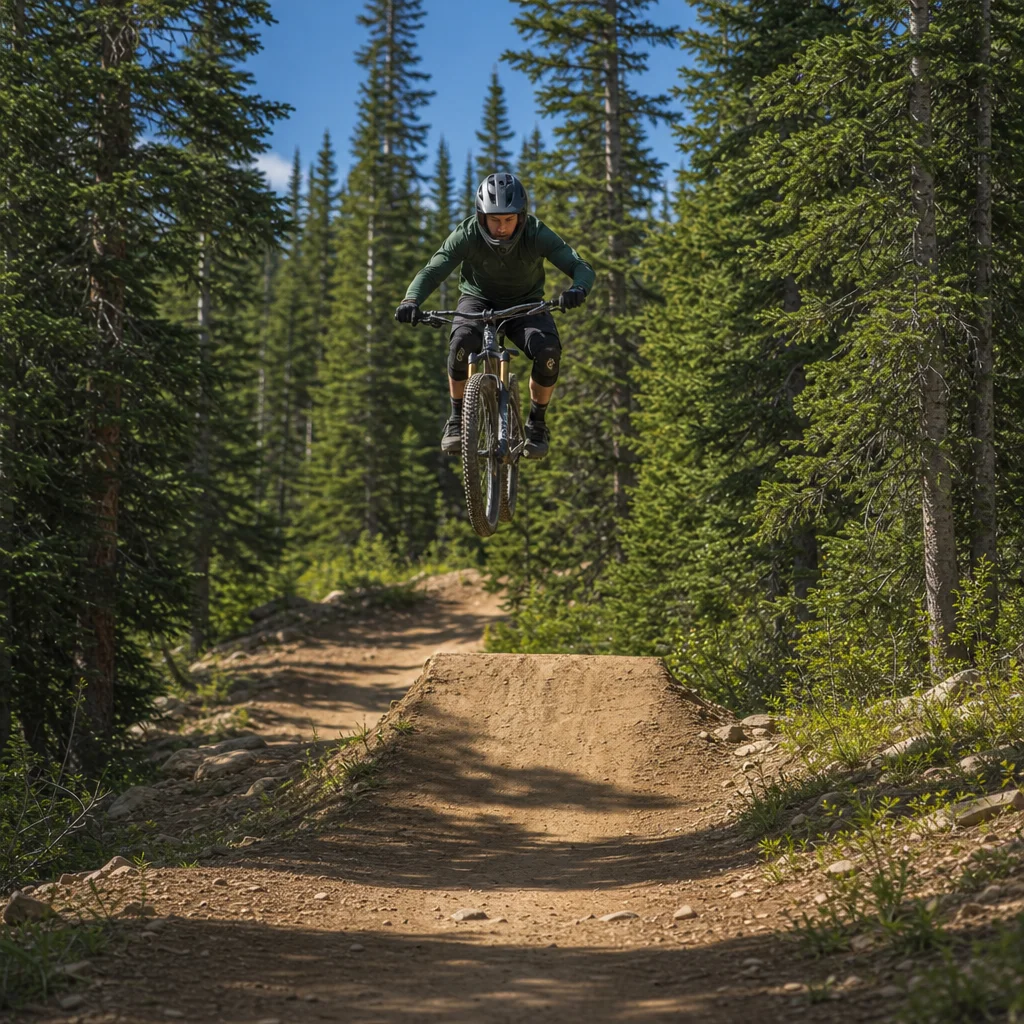
Trail maintenance can turn a familiar section into a temporary worksite with very different hazards. Crews may be clearing fallen trees, reshaping drainage, repairing bridges, moving rock, or stabilizing a slope. The trail might still look rideable, but fresh soil, hidden tools, unstable edges, and moving equipment can make “just squeezing through” a poor decision.
The safest approach is to treat active maintenance as a change in trail status, not as a minor interruption. Slow down early, look for the crew’s instructions, and assume that workers and machinery have priority. Your goal isn’t merely to avoid getting in someone’s way. It’s to prevent damage to work that may have taken hours to complete and to leave the trail safe for the next user.
Recognize when a trail section is an active work zone
The obvious signs include a closed-trail notice, a gate, tape, cones, temporary fencing, or a sign directing riders to turn around. Less formal signals can be just as important: a crew member standing in the trail, a truck parked at a trailhead or crossing, tools laid beside the tread, fresh fill, or an excavator operating nearby. If you see people actively working, don’t rely on the absence of a permanent closure sign as permission to continue.
Pay attention to how the work is arranged. A crew may be repairing one side of a trail while leaving what appears to be a narrow passage on the other. That gap could be reserved for workers, needed for equipment access, or sitting over newly placed material that shouldn’t be compacted yet. Freshly built features and drainage work often need time, weather, or additional passes before they’re ready for tires.
A work zone can extend beyond the visible repair. Machinery may swing, roll, or reverse unexpectedly. A worker clearing brush may not hear you approach. Loose rocks or branches can move downhill, and a trail crew may be focused on a task rather than watching for riders. Give the entire area more space than you would give a stationary obstacle on an ordinary ride.
Check the current trail status: Before you commit to the route, look at the managing organization’s current closure notices, trailhead signs, and posted instructions. Conditions and access can change during a work project, so don’t assume a familiar trail is open simply because it was open on your last ride.
Approach slowly and make your presence predictable
Start reducing speed before you reach the work area. A rider who appears suddenly at walking pace is easier for a crew to notice and accommodate than one who arrives quickly and brakes at the last second. Keep your line controlled, cover the brakes, and be prepared to stop completely. Avoid skidding to a halt, especially on soft ground or near a newly shaped surface.
Use a calm greeting when you’re close enough to be heard without shouting. A simple “Hi—can I get by?” is usually better than assuming that a crew member has seen you. Make eye contact if possible, but don’t approach someone who is operating machinery or handling a tool in a way that demands concentration. Wait for a clear signal and follow the direction of the person managing the area.
If the site is noisy, don’t depend on verbal communication alone. Point toward the trail and wait for an unmistakable indication of where you should go. If you can’t establish communication, stop at a safe distance. Never ride past a worker, vehicle, or barrier on the theory that your intentions are obvious.
This is also a place to avoid headphones or other distractions. You need to hear instructions, engines, backing alarms, and warnings from people farther up the work zone. Keep other riders behind you stopped as well; a gap in the group can quickly become pressure to move before the route is actually clear.
Decide whether passing is genuinely allowed
A crew’s permission to pass doesn’t necessarily mean that every line through the area is suitable for riding. If a worker directs you across a firm, clearly defined edge of the trail, follow that route slowly and stay exactly where indicated. Don’t widen the detour, cut across fresh soil, or choose a smoother-looking line beside the approved one.
Some work zones can accommodate riders at specific times, while others can’t. A crew may pause a machine, move tools, or stand aside for a group, but that doesn’t make the arrangement safe for repeated traffic. Ask a short, specific question: “Is this section open to bikes right now, and which way should I go?” If the answer is conditional, such as waiting for a machine to finish or walking a short section, treat that condition as part of the instruction.
Walking your bike may be appropriate where a crew has provided a narrow passage, but it isn’t a universal solution. A bike carried or pushed through can still damage soft tread, interfere with equipment, or put you inside a machine’s operating area. Walk only where the crew explicitly directs you and remain alert to the same hazards as a rider.
A temporary barrier isn't an invitation to find a way around it. Going around a gate, climbing over tape, or entering from a side trail can put you into an area the crew expects to be empty. It may also undermine the reason for the closure, whether that is worker safety, wet soil, unstable construction, or a hazard that isn’t obvious from the approach.
Know when turning around is the right decision
Turn around when the crew doesn’t respond, the instructions are unclear, machinery is active near the trail, or the only apparent passage requires you to improvise. You should also retreat when the surface is soft enough that tires or shoes will leave deep marks, when the trail edge is unstable, or when moving downhill traffic would put you between workers and equipment.
Turning around is especially sensible if you’re riding alone, have limited visibility, or can’t safely wait out the work. A narrow bench cut, blind corner, bridge approach, or steep slope leaves little room for a mistake. The fact that another rider has passed through doesn’t establish that the route is safe for you; work may have changed, and the other rider may simply have made a poor choice.
Before reversing direction, move well clear of the work area. Don’t stop in the approach where other riders could arrive behind you, and don’t perform a rushed three-point turn beside machinery or an unprotected drop. If the trail is narrow, wait for a safe place to turn or walk your bike back to one. Let riders coming from behind know that the route is blocked before they reach the crew.
If you have a map or a known alternate route, use it only if the alternative is officially open and appropriate for your group. A detour that crosses private land, a seasonal closure, or another active project isn’t a legitimate workaround. When no safe alternative exists, the ride ends at that point. That’s inconvenient, but it’s less costly than damaging the trail or creating a dangerous situation for workers.
Respect fresh work after the crew has left
A work zone can remain sensitive after the people and equipment are gone. Freshly packed soil may look finished but still be vulnerable to tire cuts. New drainage features can be easy to miss, and recently placed rocks or logs may shift under a bike. Follow signs and barriers until they’re removed by the organization responsible for the trail.
Don’t test a new feature merely because it resembles a completed trail element. If the surface is visibly loose, muddy, deeply rutted, or marked with footprints and tire impressions, give it time and use the approved route. Riding around a wet repair can create parallel lines that widen the trail and divert water around the work.
The same principle applies to maintenance access roads and staging areas. They may look like convenient bypasses, but they can be used by trucks, volunteers, or emergency vehicles. Stay on designated routes and avoid moving materials, cones, signs, or tools even if they seem to be in the way.
Handle the social side without creating pressure
Trail crews are often working in conditions that already require coordination. Don’t crowd the edge of the site, ask several people the same question, or argue for access because you rode a long way to get there. If a crew says the section is closed, thank them and move away. Their decision may account for hazards you can’t see from the trail.
Groups should be particularly disciplined. The lead rider should stop before the work zone, communicate with the crew, and relay the instructions to everyone else. Don’t let riders trickle through one at a time while the crew is trying to restart a machine or reposition equipment. Keep children and inexperienced riders close, and don’t encourage anyone to pass simply because the gap appears wide enough.
If you’re unsure whether a project is complete, check the managing organization’s trail page or contact the listed trail office when practical. A brief, factual report about missing signs, damaged barriers, or an unexpected hazard can help the people responsible for the trail. Avoid removing closure markers or attempting a repair yourself unless the organization has specifically asked for that kind of help.
Make the decision before the pressure builds
The best time to decide whether you’ll turn around is before you’re beside the crew. If a route has a history of seasonal projects, check its current status before leaving, carry a map that shows alternatives, and allow enough time for an unexpected retreat. Build the possibility of a closed section into the ride rather than treating it as a failure of the plan.
When you reach active maintenance, prioritize clear communication, controlled speed, and the crew’s instructions. Pass only along a route they identify, preserve fresh work, and keep away from machinery and staging areas. If any part of the situation is ambiguous, waiting in a safe place or turning around is the sensible choice. The trail will be more enjoyable—and more likely to remain open—when riders leave the worksite undisturbed.