How to Learn From a Crash Without Losing Confidence
A mountain-bike crash becomes more useful when you separate injury checks, contributing choices, and the next manageable riding step. I’ll show you how to review what happened, spend effort where it matters, and rebuild confidence without rushing back to the same risk.
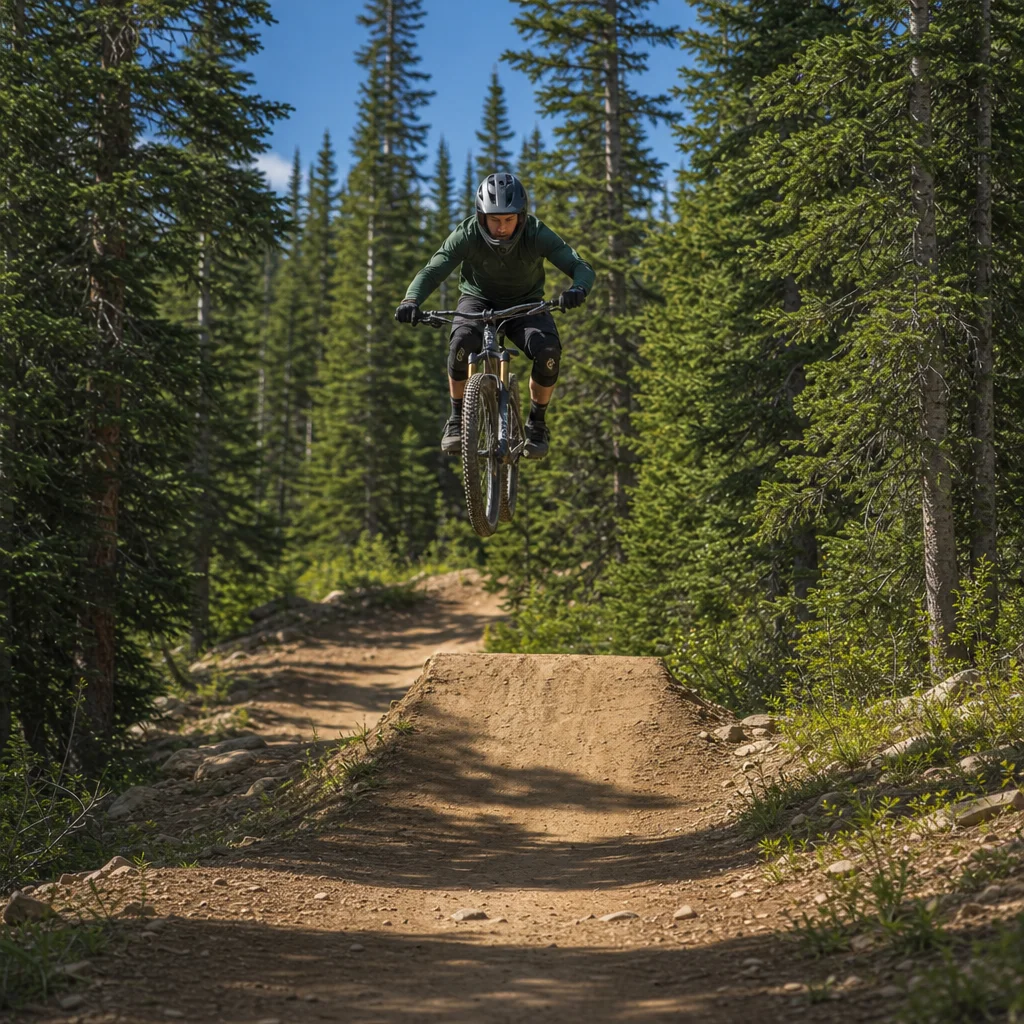
A crash can make a familiar trail feel newly threatening, especially when you can’t immediately explain why you went down. The useful response isn’t to dismiss the incident or replay it endlessly. It’s to turn it into a calm review: first check yourself, then understand the conditions and choices involved, and finally return to the relevant skill in smaller steps.
That process also saves time and money. You may not need a new bike, expensive protection, or a complete change of setup if the main contributor was a rushed entry, poor line choice, or a trail feature you hadn’t yet learned to read. Equally, you shouldn’t use frugality as an excuse to ignore an injury or damaged equipment. Confidence comes back more reliably when your next decision is based on evidence rather than embarrassment.
Start with your body, not the story
Immediately after a crash, adrenaline can conceal pain and make you feel more capable than you are. Before analyzing the line, pause somewhere safe and check for obvious problems. Look for bleeding, swelling, unusual movement, numbness, weakness, dizziness, confusion, vision changes, severe or worsening pain, and difficulty putting weight on a limb. A helmet that took a meaningful impact should be treated according to its manufacturer’s replacement guidance; many helmets are designed to be replaced after a crash even when damage isn’t obvious.
Don’t rely on a quick return to standing as proof that you’re fine. Symptoms can become clearer after you stop moving, and a ride partner may notice changes that you don’t. If you hit your head, lost consciousness, feel confused, have a worsening headache, vomit, or develop other concerning symptoms, stop riding and seek appropriate medical care. For a serious injury, call local emergency services rather than attempting to ride out.
Check your recovery plan: Before riding again after a head impact, suspected fracture, significant wound, or persistent symptoms, follow current advice from a qualified medical professional and your local emergency or health service. Guidance and access can vary by region, and a tough-it-out approach isn’t a reliable test of fitness.
Once you’ve made a sensible decision about your body, check your equipment before continuing. Inspect the helmet, handlebars, stem, brake levers, wheels, tires, saddle, and suspension controls. Look for cracks, bent parts, loose bolts, leaking fluid, damaged cables or hoses, and a wheel that no longer spins or tracks normally. If you can’t establish that the bike is safe, walk it out or arrange a ride. Continuing can turn a minor repair into a more expensive failure and can create a second crash.
Reconstruct the crash without blaming yourself
A useful review is specific and factual. “I’m bad at corners” is too broad to guide your next ride. Instead, describe the sequence in plain language: you entered a loose turn, touched the brake while leaned over, the front tire drifted, and you put a foot down too late. That account identifies possible actions without turning one event into a judgment about your ability.
Try to separate four kinds of contributors:
- Trail and environment: loose dirt, wet roots, changing light, ruts, rocks, dust, blind approaches, or a narrowing exit.
- Bike and equipment: tire pressure, tire condition, suspension behavior, brake feel, cockpit position, or a damaged component.
- Rider state: fatigue, cold hands, distraction, anxiety, poor visibility, or a decision to continue after concentration had dropped.
- Technique and choice: speed, braking timing, body position, line selection, looking direction, or committing to a feature without a clear exit.
Most crashes have more than one contributor. A steep, loose turn may be manageable at moderate speed but much less forgiving when approached late in a long ride with tired hands and a front tire carrying too little weight. The purpose of identifying several factors isn’t to create a longer list of faults. It’s to find the one or two changes that will reduce risk most efficiently.
Ask yourself what happened immediately before traction or control was lost. Were you braking hard while turning? Did you look at the obstacle instead of the open line? Did you enter too fast to adjust? Did the trail change after you committed? Were you trying to follow a rider whose pace made you uncomfortable? These questions are more valuable than asking whether you were brave enough.
Find the highest-value change
Cost and resource efficiency means solving the actual problem before buying or changing everything. If your tires were worn or your brake pads were contaminated, replacement may be justified. If your setup was unfamiliar because you changed several controls at once, returning to a known position and making one adjustment at a time may be more useful than ordering a collection of upgrades.
The same principle applies to suspension. A crash on a rocky descent doesn’t automatically mean you need a different fork tune or more expensive shock. First check basic setup, including sag, rebound, tire pressure, and whether the controls are in a sensible range for your weight and terrain. Make changes gradually and record them so you can tell whether a change helped. A local suspension technician or experienced shop can be good value when the issue involves internal service, persistent loss of control, or a setup you can’t confidently evaluate yourself.
If the bike checks out, focus on a skill rather than collecting equipment. For a front-wheel washout, that might mean entering slower, braking before the turn, keeping your eyes on the exit, and maintaining a balanced position through the corner. For a rear-wheel slide, it may mean reducing abrupt braking and learning how traction changes with surface and body position. The point isn't to assign a perfect technical diagnosis from memory. It’s to choose a repeatable behavior that addresses the most plausible cause.
Use a smaller version of the same problem
Confidence usually returns through evidence: you perform a relevant action, the bike responds predictably, and your brain updates its estimate of the risk. The evidence needs to be earned at a manageable level. Returning immediately to the exact feature at the same speed often produces either another crash or a tense, defensive ride that teaches little.
Build a progression around the feature’s defining demand. If the crash happened in a flat, loose corner, start on a wide, low-consequence turn with a similar surface. If it happened on a drop, practice controlled front-wheel lifts and small roll-downs before repeating a larger feature. If braking was the problem, work on smooth braking in a clear area, then add a gentle descent, then a turn, and only later combine the demands.
Repeat each stage until your actions feel deliberate rather than merely lucky. You don’t need a flawless run every time, but you should be able to explain what you’re trying to do and stop before fatigue or anxiety makes the decision for you. A few focused repetitions can be more useful than a full day of riding terrain that keeps you tense.
When possible, use a trusted riding partner or coach who can watch from a safe location. Ask for one observation at a time, such as whether you’re braking before the corner or looking through it. Video can also help, but it’s easy to overanalyze a short clip without knowing the surface, speed, or sensations involved. Treat footage as a prompt for questions, not as a complete verdict.
Manage the mental replay
After a crash, your mind may replay the moment whenever you approach a similar feature. That reaction doesn’t mean you’ve permanently lost your ability. It means your brain is trying to prevent a repeat, sometimes by applying the warning too broadly. You can acknowledge the concern while narrowing it to the actual risk: “I’m worried about entering this loose turn too fast,” rather than “I can’t ride corners anymore.”
Before the next attempt, choose a simple plan with a clear stopping point. For example, you might inspect the surface, select a conservative line, brake before the turn, and ride away if the entry doesn’t feel controlled. A plan reduces the number of decisions you have to make under pressure. It also gives you permission not to take a feature when visibility, fatigue, weather, or traffic has changed the situation.
Don’t use another rider’s pace as a confidence test. Following someone faster can push you into a line or speed that you haven’t chosen for yourself. Tell your group that you’re rebuilding after a crash and ask them to wait at a designated point rather than pressuring you to match their run. Good trail partners make a conservative decision feel normal, not like a public failure.
Decide when to move on—and when to stop
Progress doesn’t require erasing all fear. It requires being able to notice fear, assess the conditions, and choose an action that remains within your current ability. You’re ready to increase difficulty when you can repeatedly manage the relevant skill on a simpler version, your equipment and body are sound, and you can identify a safe response if the line changes.
Stay at the same level, or step back, if you’re making the same rushed decision, freezing at the key moment, braking unpredictably, or relying on momentum to get through. Stop the session if pain returns, symptoms develop, concentration falls apart, or the trail becomes substantially different from what you assessed. Walking a feature is a riding decision too; it protects your future opportunities at very little cost.
After the ride, make a short note while the details are fresh. Record the surface, weather, approximate fatigue level, what happened, and one change for next time. Also record what worked during the recovery ride. This prevents the crash from becoming the only evidence you remember and helps you avoid repeating the same experiment without changing its conditions.
A crash is information, but it isn’t automatically a complete diagnosis of your riding. Check your health and equipment first, reconstruct the event without turning it into a verdict, and spend your effort on the highest-value change. Then return through smaller versions of the same challenge, increasing difficulty only when your decisions are controlled and repeatable. Confidence is rebuilt by a series of sensible choices—and sometimes the most useful choice is to leave the feature for another day.