Use a Riding Journal to Find Patterns in Fatigue and Mistakes
I'll show you how to build a simple mountain-bike riding journal that connects sleep, food, terrain, weather, equipment, fatigue, and mistakes—so you can make sensible changes instead of treating every rough ride as a personal failure.
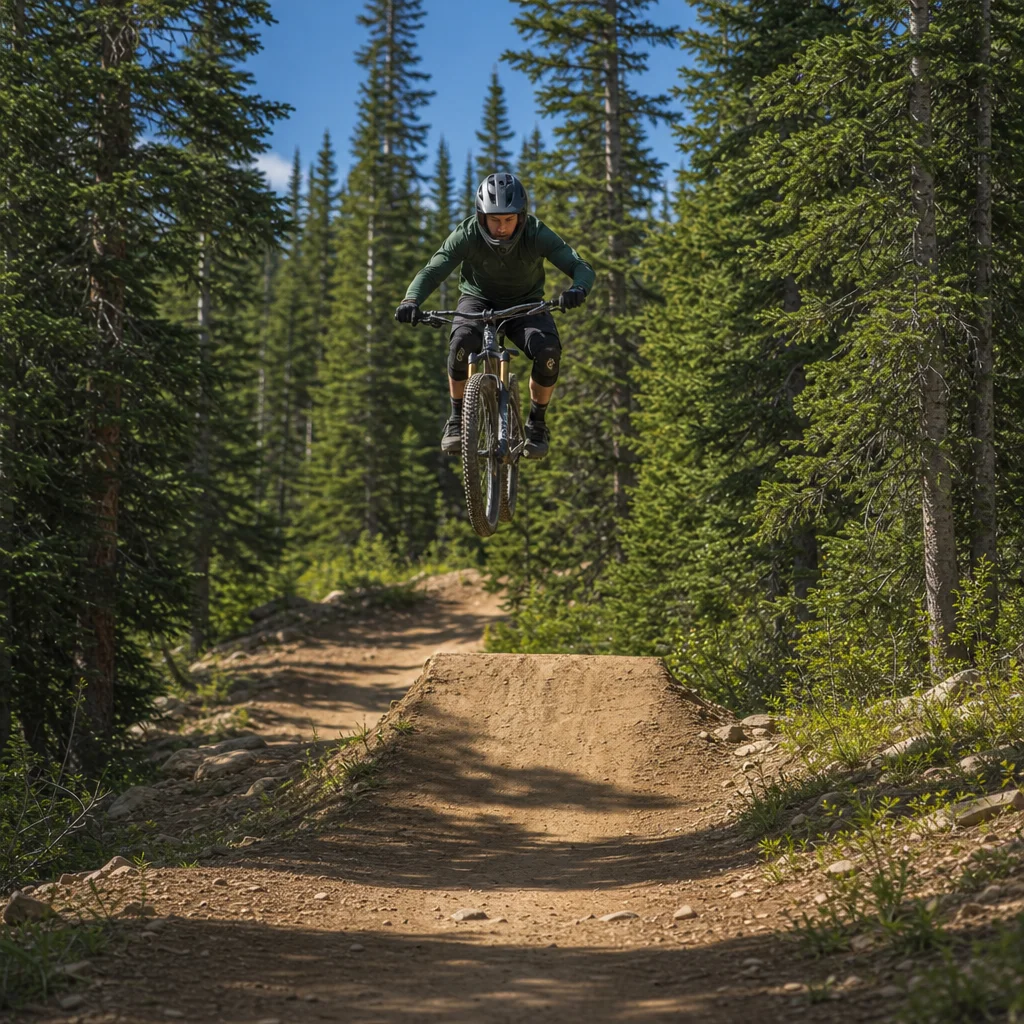
A riding journal is most useful when a ride goes badly, but that’s also when it’s easiest to write something vague: “Felt tired. Made mistakes.” Those notes may be honest, but they don’t explain whether the problem came from poor sleep, an ambitious route, low food intake, wet roots, a mechanical issue, or a decision made while rushing.
The goal isn’t to create a performance database or grade yourself after every outing. It’s to collect enough consistent information to recognize patterns. A good journal helps you ask better questions: Do mistakes increase late in long rides? Do you struggle more on technical terrain when you haven’t eaten? Does a particular setup issue show up as fatigue or loss of confidence? The answers can guide small, testable changes.
Choose a format you’ll actually use
The best journal is the one you’ll complete while the ride is still fresh. A notebook is quick, private, and easy to use without a battery. A notes app makes searching and copying templates simple. A spreadsheet allows comparisons over time, while a dedicated training or cycling app may automatically capture distance, elevation, speed, and route data. Each option trades convenience for detail.
A highly structured system can produce impressive-looking information but become too tiring to maintain. A completely open-ended diary is easy to keep but can make patterns difficult to compare. For most riders, a short repeatable template works better than a comprehensive log. Use the same basic headings each time, then add detail only when something unusual happens.
You don’t need to record every measurement. If you already have automatic ride data, link to it or copy over only the figures you use. Your journal should reduce guesswork, not turn the post-ride routine into another workout.
Record conditions before judging the outcome
Start with context. Write down the date, approximate ride duration, terrain, weather, and whether the route was familiar. Note the ride’s purpose too: an easy spin, technical practice, a long endurance outing, or a social ride. The same mistake means something different on a steep, wet trail than it does on a familiar path during a relaxed ride.
Include a brief pre-ride check of factors that could affect attention and energy:
- Sleep quality and approximate duration
- Food and fluids before the ride
- Whether you brought enough food and water for the planned route
- General stress, soreness, illness, or unusual fatigue
- Temperature, rain, wind, mud, dust, or changing trail conditions
- Bike condition and any setup changes
You don’t need false precision. “Poor sleep,” “ate a small breakfast,” or “legs felt heavy before leaving” is often more useful than an uncertain numerical score. If you like ratings, use a simple scale and define it consistently. For example, a fatigue score of 2 might mean slightly below normal, while 5 means you’d rather not ride. The scale matters less than using the same meaning each time.
During the ride, record only what you can capture without disrupting your attention or safety. A quick note at a trail junction might say, “First mistakes after long climb,” or “Hands tiring on rough descent.” You can also mark a time, location, or route point and fill in the details later. Stopping to write a detailed entry on exposed or technical terrain defeats the purpose of the journal.
Describe mistakes as events, not verdicts
“Rode badly” is a judgment. “Entered the left-hand turn too fast, braked mid-corner, and ran wide” is an observation. The second version gives you something to examine and possibly practice.
When you make an error, note four parts if you can: what happened, where it happened, what you were doing immediately beforehand, and what you did next. For example, you might record that you stalled on a rocky climb after shifting late, following several hard efforts, while trying to stay with a faster rider. That account suggests several possible contributors without declaring one definite cause.
Useful categories include:
- Line choice: You selected a route that was too difficult, entered without identifying an exit, or looked at an obstacle instead of the available path.
- Speed and braking: You carried too much speed, braked abruptly, or slowed so much that balance became difficult.
- Body position: You became stiff, shifted your weight late, or allowed fatigue to reduce control.
- Timing and attention: You rushed, followed another rider too closely, or stopped scanning the trail.
- Physical state: Your hands, legs, back, or breathing felt limited before the error.
- Equipment or conditions: Tire pressure, suspension behavior, loose debris, mud, glare, or a mechanical problem may have changed the result.
This isn’t about assigning blame to a category. It’s about separating a skill issue from a planning issue, a condition issue, or a possible equipment issue. One stalled climb may be a technique problem. Five stalls after demanding climbs may point toward pacing, fueling, or route planning.
Look for repeated combinations
Reviewing the journal is where the value appears. A single ride can mislead you because conditions vary and memory fills in gaps. Look for combinations that recur across several rides rather than treating one bad outcome as a diagnosis.
A useful review question is: What was present before the mistake, and what was absent on rides where the mistake didn’t happen? You might notice that errors cluster after two hours, on rides where you skipped a planned snack, or when you choose technical trails at the end of a demanding route. You might also discover that your confidence drops in wet conditions even when your energy is fine, pointing toward technique practice or a more conservative line choice rather than more fitness work.
Compare similar rides where possible. A short, familiar trail and a long, technical route shouldn’t be treated as equivalent evidence. Compare rides with similar duration, terrain, and effort, or at least acknowledge the differences. Weather can also distort the picture: poor traction may explain a loss of control more convincingly than tiredness.
Equipment notes deserve the same caution. If you repeatedly report harsh impacts, hand fatigue, or a tendency to avoid rough sections, note tire pressure, suspension settings, bike load, and recent maintenance. Don’t immediately change several settings at once. If you do, you won’t know which change helped or created a new problem.
When a pattern affects control: If your notes show repeated loss of control, severe fatigue, dizziness, pain, or equipment problems, treat that as a reason to stop or reduce the ride rather than a challenge to push through. Address the specific risk and seek qualified medical or bicycle-service advice when appropriate.
Turn observations into small experiments
A journal becomes unhelpful when it produces a long list of things you “should” fix. Choose one change that matches the strongest pattern, then test it over a few comparable rides.
If mistakes appear late in rides after long climbs, try changing pacing or planning a food and water stop before the usual trouble point. If you’re making errors on unfamiliar technical trails because you feel rushed, ride with a larger gap between riders and pause to inspect difficult lines. If your hands fatigue on rough descents, check your grip, position, controls, gloves, and bike setup instead of assuming you simply need to tolerate discomfort.
Keep the experiment specific. “Ride better” can’t be evaluated. “Eat before the long descent and enter the first technical section at a speed that allows controlled braking” gives you an action to test. Afterward, record whether the change affected fatigue, confidence, mistakes, or enjoyment.
There’s a trade-off between changing your behavior and changing the bike. Behavioral changes are often inexpensive and easy to reverse, but they require attention and practice. Equipment adjustments can improve comfort or control, but they can also mask a technique or planning problem and may introduce unfamiliar handling. The journal can help you decide which kind of change deserves attention first.
Avoid turning the journal into self-criticism
The language you use affects what you learn. “I’m terrible at descending” closes the investigation. “I lost confidence on steep, loose terrain after my arms were tired” leaves room for several practical responses. You can be accountable without being insulting.
Record successful decisions as well as mistakes. Note when you chose a safer line, stopped before fatigue became dangerous, adjusted your pace, or recognized that a mechanical issue made continuing unwise. These entries reveal what already works and prevent the journal from becoming a catalogue of failures.
Also record neutral or enjoyable rides. They provide comparison points and help you notice the conditions under which riding feels controlled. A pattern may be easier to see when you have entries showing both a difficult ride and a similar ride that went well.
A simple post-ride template
You can start with this short entry and expand it only when needed:
- Ride: duration, terrain, route familiarity, and purpose
- Conditions: weather, trail surface, and visibility
- Before riding: sleep, food, fluids, soreness, and general energy
- Bike: notable setup changes, equipment concerns, or mechanical symptoms
- Fatigue: when it appeared and where you felt it
- Mistakes: what happened, likely contributors, and whether anything repeated
- What helped: good decisions, useful adjustments, or sections that felt controlled
- Next test: one change for the next comparable ride
Once a week or after several rides, scan for repetition. You don’t need a complex score or a perfect record. Look for one pattern that is strong enough to test and one habit that is already helping.
A riding journal works when it turns vague disappointment into a manageable question. Record the conditions, describe the event precisely, compare similar rides, and change one relevant factor at a time. Over time, the notes should help you plan better, recognize fatigue earlier, and choose safer, more enjoyable riding—not convince you that every mistake says something permanent about your ability.