Mountain Bike Pedal Choices for Wet Roots and Mud
Wet roots and mud make pedal control, release, and foot traction more important than simple pedal weight. I’ll compare flat and clipless options so you can prioritize confidence and risk reduction for your local trails.
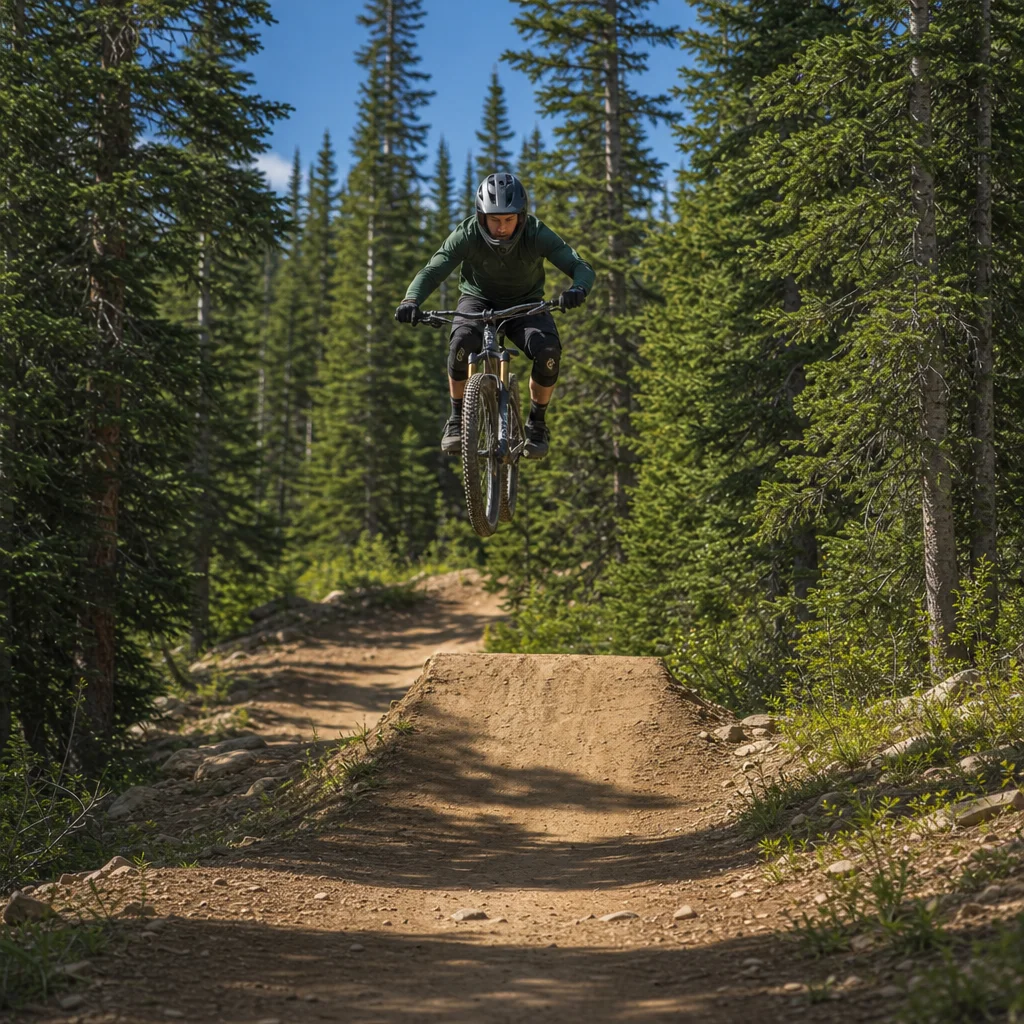
Slippery roots and muddy corners expose the limits of a pedal choice quickly. A foot that slides off a flat pedal can upset your balance, while a foot that stays clipped in a little too long can turn a low-speed dab into a more awkward fall. Neither system is automatically safer in wet conditions; the better choice depends on how you ride, how often you need to put a foot down, and whether your shoes and pedals work well together.
For most riders, the decision should start with predictable control rather than efficiency or weight. You want a pedal that gives you a reliable connection to the bike while still letting you respond to a sudden loss of traction. That means considering the whole system: pedal shape, pins, shoe sole, cleat setup, mud clearance, release practice, and your ability to keep your weight balanced when the trail gets slick.
How wet trails change the pedal decision
Wet roots are difficult because they offer very little grip when your tires, shoes, or pedals contact them at the wrong angle. A root crossed with a level, relaxed bike may be manageable; the same root approached while braking hard or leaning sharply can become a sliding surface. Mud adds another problem by filling tread patterns, covering pins, and making it harder to reposition your foot.
These conditions also create more frequent “dabs”—brief foot touches used to catch balance, negotiate a tight turn, or steady the bike through a slow technical section. If your local trails are narrow, rooty, and constantly changing, the ability to make those small corrections may matter more than having your feet firmly attached during smoother sections.
That doesn’t mean clipping in is unsuitable for wet riding. Many experienced riders prefer it because the connection feels consistent, and they can unweight a pedal or reposition the bike without worrying about a foot bouncing off the platform. The important question is whether you can release early and calmly when the trail demands it.
Flat pedals: more freedom for frequent dabs
Flat pedals are often the simplest choice for riders who are still developing balance, cornering, and technical-trail habits. You can place a foot down without performing a release motion, and you can quickly reset your foot if it moves on the platform. That freedom is useful on slippery roots, especially when you’re learning to keep your eyes up and manage traction instead of reacting with a stiff leg.
The pedal itself still matters. A broad, reasonably thin platform gives your shoe more support and can make foot placement feel stable. A concave shape, where the center of the pedal sits slightly lower than the contact areas, can help hold the shoe in position. Pins should provide grip without being so tall or aggressive that a small foot movement becomes difficult or your shin is exposed to unnecessary injury if you slip.
Flat pedals work best with shoes designed for them. Their soles generally use a relatively soft, flat rubber compound that conforms around the pins. Casual sneakers may feel acceptable on a dry driveway but can slide across wet pins or lose contact when the trail gets rough. A shoe with a firm sole and a tread pattern that leaves room for the pedal pins is usually more predictable.
There is a trade-off. Flat pedals can let your foot move at exactly the moment you want a stable connection, particularly if your shoes are muddy or you land on the edge of the platform. They also won’t compensate for poor foot position. Keep the pedals level through rough sections, stay centered over the bike, and avoid pressing down heavily with one foot as you cross a root. Good technique makes flats considerably more secure than simply choosing a larger or sharper-pinned pedal.
Clipless pedals: consistent connection, deliberate release
Clipless pedals attach to a cleat mounted beneath a compatible shoe. Once engaged, they keep your foot in a consistent relationship with the pedal and reduce the chance of your shoe bouncing away on rough ground. That connection can help when the trail is wet but fast, or when you’re riding repeated roots and want to stay relaxed rather than gripping the bike with your legs.
The main risk for newer riders isn't being clipped in by itself. It’s waiting too long to release when balance is already disappearing. On a wet root, you may need to put a foot down earlier than expected. If you only think about unclipping after the bike has begun to fall, there may not be enough time for a controlled release.
Mountain bike clipless pedals usually allow some lateral movement, often called float, before the cleat releases. That movement can make the connection feel less rigid and may be more comfortable for riders who move their knees naturally. Release tension, cleat position, and the release direction vary by pedal system, so you should learn how your particular setup behaves rather than assuming all pedals feel the same.
Mud clearance is another consideration. Some clipless designs shed mud better than others, and a heavily packed cleat can make engagement or release less reliable. If your rides regularly include deep mud, inspect the space around the mechanism and cleat after each ride. A pedal that works cleanly in a shop can feel very different when grit and wet soil are packed around it.
Practice the Release Before the Slippery Line
Set up your pedals in a safe, open area and practice releasing either foot without looking down. Repeat slow starts, stops, and deliberate dabs on both sides. If you change cleats, pedals, or release tension, rehearse again before taking the new setup onto wet roots.
Which option makes sense for different riders?
If you’re a beginner who frequently stops, loses balance at low speed, or feels rushed when unclipping, quality flat pedals and suitable shoes are a sensible starting point. They remove one decision from a technical section and let you focus on steering, braking, body position, and line choice. You can still move to clipless pedals later without having to relearn the basic skills.
Flats may also suit experienced riders who spend much of a ride on tight, slow, technical terrain. Riders who use frequent dabs to manage awkward turns or steep, slippery transitions may value immediate foot access more than a constant pedal connection. This is particularly true if the trail’s difficulty comes from low-speed balance rather than sustained rough speed.
Clipless pedals can be a good choice if you already release smoothly, ride at a pace where your feet regularly bounce off flat pedals, or prefer a consistent foot position. They may also suit riders who are comfortable committing to a line and releasing before a section becomes uncertain. The advantage is control through the pedal connection, not a guarantee that your feet will stay attached during every mistake.
A mixed approach is reasonable too. You might use flats for unfamiliar trails, skills practice, or especially muddy rides, then use clipless pedals when you know the terrain and expect longer, faster sections. Some riders also choose a slightly more forgiving clipless setup for wet conditions, with cleats and release tension adjusted for dependable disengagement rather than maximum retention.
Setup details that matter more than pedal type
Start with foot placement. On flats, place the ball of your foot over or slightly in front of the pedal axle, then keep your heels relaxed and your feet level through rough terrain. Avoid hanging your toes off the front or allowing one heel to drop dramatically while crossing a root. Those positions can reduce your ability to adjust when the bike moves underneath you.
For clipless pedals, position the cleats so your feet feel natural and you can release without twisting into an uncomfortable range. Make small changes rather than moving the cleat dramatically in one session. Check that the cleat bolts are secure and that the shoe sole isn’t preventing full engagement. If release feels difficult, address the setup before trying to solve the problem with bravery.
Clean both systems regularly. Mud can hide worn pins, obstruct a clipless mechanism, or reduce the grip of a shoe sole. Rinse away abrasive grit according to the manufacturer’s care guidance, dry the parts, and inspect for loose hardware. Avoid assuming that a pedal is fine because it still turns; bearing play, damaged pins, or a sticky release mechanism can change how it behaves on the trail.
Your tires and riding technique remain part of this decision. No pedal can make a sharply leaned bike grip a wet root while you’re braking hard. Approach slippery features with controlled speed, keep the bike relatively upright when possible, reduce abrupt inputs, and look beyond the obstacle. A pedal choice is most useful when it supports those habits rather than encouraging you to depend on the pedal for balance.
A practical way to choose
Borrowing or testing both systems can tell you more than comparing specifications. Try each option on familiar wet terrain and notice whether you can make a controlled dab, reset your foot, and stop without rushing. With clipless pedals, pay attention to whether you release before the moment of panic. With flats, notice whether your shoe stays planted when the trail gets rough and your feet become muddy.
Choose flats if immediate foot access and simple recovery are your priorities. Choose clipless if you already have reliable release habits and value a consistent connection through rough or faster terrain. In either case, spend your money first on compatible shoes, a pedal shape that supports your foot, and a setup you can operate automatically.
The safest pedal is the one that lets you respond early when traction disappears. For many newer riders on wet roots, that means flats until balance and line choice become more dependable. For riders who are comfortable releasing before a dab and maintaining their equipment, clipless pedals can offer excellent control. Whichever system you use, practice the specific movements it requires before relying on it in mud, on roots, or during a surprise unplanned dismount.