Build a Simple Pre-Ride Nutrition Plan for Two-Hour Mountain Bike Rides
I’ll compare light, moderate, and substantial pre-ride meals, then show how to match food and fluids to a two-hour mountain bike ride without carrying more nutrition than you need.
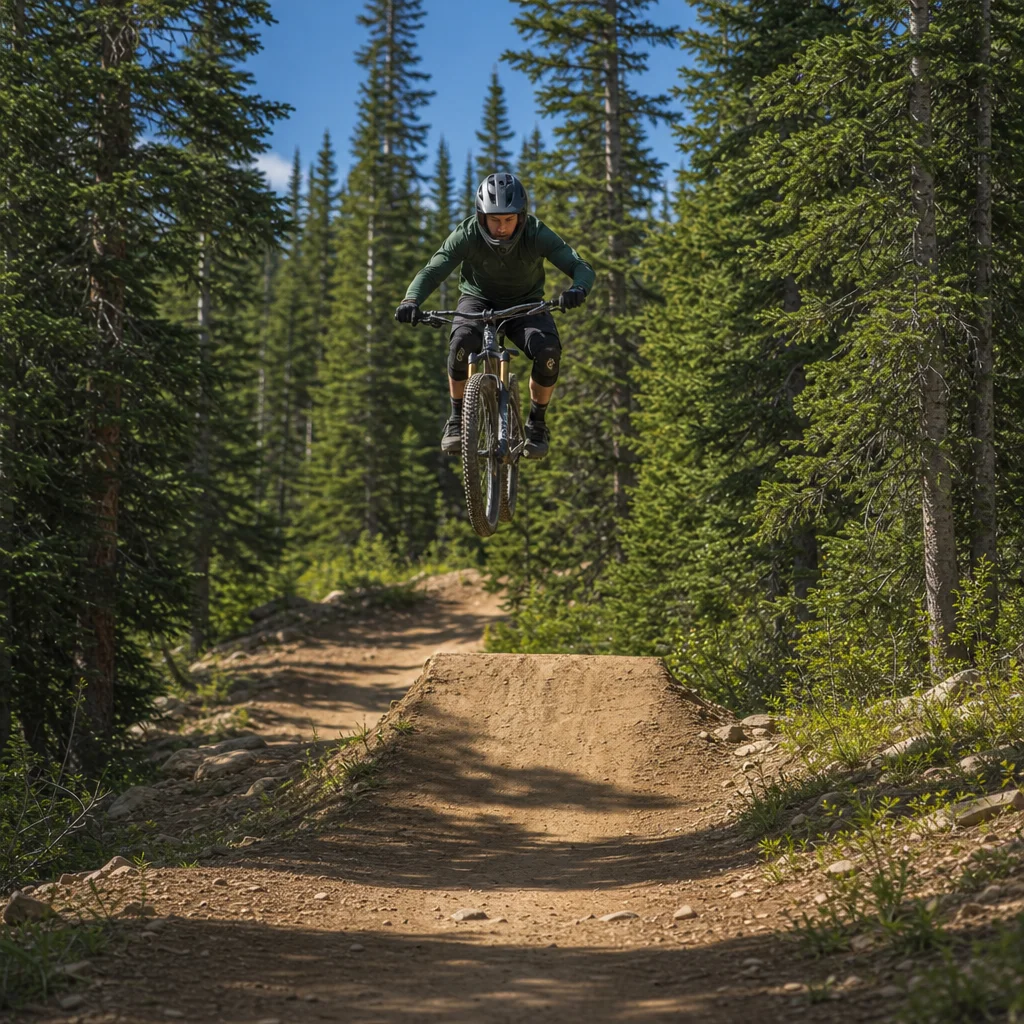
A two-hour mountain bike ride sits in an awkward middle ground: it’s long enough for poor fueling to become noticeable, but usually not so long that you need an elaborate endurance-racing nutrition system. The right plan depends on when you eat, how hard you’ll ride, and whether the trail offers steady access to water or food.
The goal is simple. Start reasonably hydrated, avoid beginning hungry or uncomfortably full, and carry enough carbohydrate to keep your energy steady through the ride. You can reach that goal with an ordinary meal, a small snack, or a combination of both.
Start by choosing the right pre-ride meal size
There are three useful approaches: a light snack, a normal meal, or a larger meal several hours before riding. None is automatically better. The trade-off is mainly between convenience, available digestion time, and how much energy you expect to use.
A light snack works when you’re riding soon after waking, heading out after work, or simply don’t tolerate food well before exercise. A banana, toast with jam, applesauce, a small bowl of cereal, or a simple granola bar can provide carbohydrate without sitting heavily in your stomach. This approach is easy to repeat, but it gives you less energy in reserve, so you’ll need to be more deliberate about carrying food for the ride.
A normal meal is the most versatile option when you have roughly two to three hours before rolling. Oatmeal with fruit, yogurt and cereal, rice with eggs, a bagel with peanut butter, or a sandwich can all work. Include a useful portion of carbohydrate, some protein if you like, and a moderate amount of fat. You’re looking for a meal that feels familiar and satisfying rather than unusually large.
A larger meal can make sense before a harder ride, a long climb, or a day when you know you’ll be out longer than planned. Eating more several hours beforehand gives your body time to digest it. The downside is that a large meal eaten too close to the start can cause heaviness, reflux, or stomach discomfort, especially on steep climbs and rough trails. More food isn’t automatically better if it changes the ride from energetic to queasy.
As a starting point, think in terms of timing rather than precision. If you’ll ride within an hour, choose a small, mostly carbohydrate-based snack. With two or three hours available, eat a normal meal. If you ate earlier than that, use a small top-up snack if you feel hungry before leaving.
Build the meal around carbohydrate
Carbohydrate is the most useful fuel to emphasize before a two-hour ride because it’s readily available for moderate and hard efforts. You don’t need to eliminate protein or fat, but making a very fatty or unusually high-fiber meal the center of your pre-ride routine can slow digestion for some riders.
Good options include oats, bread, rice, potatoes, cereal, fruit, tortillas, and simple snack bars. Pair them with foods you already know agree with you. A bowl of oatmeal with a banana may work well for one rider, while another may feel better with toast, yogurt, and fruit. The best plan is the one you can eat consistently without needing a special shopping trip.
Protein can help a meal feel satisfying, particularly if you’re riding after several hours without food. Eggs, yogurt, milk, tofu, or a small amount of nut butter are reasonable additions. Keep the portion moderate if you’re eating close to the start. Fat provides energy too, but large amounts immediately before riding are more likely to feel heavy than helpful for many people.
Fiber deserves a similar, individual approach. Whole grains, beans, and large servings of vegetables are nutritious, but a substantial high-fiber meal right before a bumpy ride may not be the most comfortable choice. You don’t have to avoid these foods generally; simply leave more digestion time or choose a simpler meal before setting off.
Three example timing plans
If you have 30 to 60 minutes, try a banana and a slice of toast, a small bowl of cereal, applesauce with a simple bar, or a sports drink if solid food isn’t appealing. Keep the serving modest and drink enough to feel hydrated without forcing a large volume.
If you have one and a half to three hours, choose a normal meal such as oatmeal with fruit and yogurt, a bagel with eggs, rice with a small serving of protein, or a sandwich with fruit. This is usually the easiest window for a comfortable, balanced start.
If you have more than three hours, eat a regular meal earlier and consider a small carbohydrate snack in the final hour if you’re hungry. That snack doesn’t need to be complicated. A piece of fruit, toast, or a bar can bridge the gap without requiring another full meal.
Decide whether you need food during the ride
A two-hour ride doesn’t always require eating, but mountain biking often involves repeated climbs, technical efforts, and bursts of high intensity. Those efforts can use fuel faster than a relaxed, steady road ride. Temperature, elevation, fitness, and how well you ate beforehand also matter.
For an easy two-hour ride, a solid pre-ride meal and water may be enough for some riders. The trade-off is that you have little margin if the route takes longer, the pace increases, or you start with less food than expected. Carrying one small snack is a low-cost form of insurance even if you don’t plan to eat it.
For a moderate or demanding ride, begin eating before you feel empty. A small amount every 30 to 45 minutes is generally easier to manage than waiting until you’re suddenly tired and trying to eat a large serving on a climb. Useful choices include a banana, dates, chews, a basic energy bar, a jam sandwich quarter, or another familiar carbohydrate food.
You can use a simple range of roughly 30 to 60 grams of carbohydrate per hour as a practical starting point for a two-hour ride, but you don’t need to jump to the upper end. Beginners may prefer to start near the lower end and see how their stomach responds. If you’ve eaten a substantial meal, the lower end may be enough; if breakfast was small and the ride is strenuous, you may benefit from more.
A two-hour ride at 30 grams per hour means about 60 grams of carbohydrate for the whole ride. That could come from a bar and a banana, several chews, or another combination shown on the package label. You don’t need to copy an athlete’s full race setup for a recreational trail ride.
Check your ride-day tolerance: Test a new bar, drink mix, or higher carbohydrate intake on an ordinary ride rather than your biggest day of the season. If you have diabetes, gastrointestinal disease, food allergies, or another condition affected by exercise or diet, get individualized advice from a qualified medical professional.
Keep hydration straightforward
Start the ride with fluids, but don’t treat hydration as a challenge to finish as much as possible before leaving. Drink with your meal and take a bottle or hydration pack that suits the route, weather, and availability of refill points.
For many moderate conditions, water is adequate for a two-hour ride, especially if you ate a normal meal. An electrolyte drink can be useful in hot weather, when you sweat heavily, or when the ride includes sustained climbing. The choice between water and an electrolyte beverage is less about which product is superior and more about what you lose through sweat and what you’ll actually drink.
Electrolyte products vary widely in sodium and carbohydrate content, so follow the label rather than assuming every drink works the same way. Sports drink can provide both fluid and carbohydrate, while an electrolyte tablet may provide minerals with little or no energy. If you’re relying on a drink for fuel, check its carbohydrate amount.
Avoid making an unfamiliar drink extremely concentrated immediately before a ride. A very sweet or strong mixture can be unpleasant and may upset your stomach. You also don’t need to force fluids until you feel sloshy. Sip regularly and adjust for heat, humidity, altitude, and your own sweat rate.
Match the plan to the ride, not the bike
The same two-hour duration can describe very different rides. A gentle local loop with frequent stops has different fueling demands from a two-hour effort involving a long climb, technical descents, and little opportunity to pause. Estimate the effort and remoteness before deciding what to carry.
For a low-intensity, familiar ride, eat a normal meal or light snack based on timing, carry water, and pack one backup snack. You may never use it, but it can cover an unexpected delay or a ride that runs longer than planned.
For a moderate trail ride, eat a meal with a clear carbohydrate base, carry enough fluid for the expected conditions, and plan one or two small servings of food. Take the first serving before you feel depleted.
For a hard or remote ride, give yourself more preparation time, eat a dependable meal, and carry enough carbohydrate and fluid for the planned duration plus a sensible margin. A route that includes navigation mistakes, mechanical trouble, or a slower group pace can turn two hours into three. Nutrition can’t solve every problem, but being under-fueled makes problem-solving harder.
Common mistakes to avoid
The first mistake is starting with only coffee because you’re not hungry, then discovering that the first climb demands more than expected. Coffee may be part of your normal routine, but it doesn’t replace food or fluid. If solid food is difficult early in the morning, try a small, familiar carbohydrate source and build from there.
Another mistake is eating a large meal right before riding because the planned breakfast was delayed. If time is short, reduce the portion rather than trying to compensate all at once. You can carry food and eat gradually once you’re moving.
It’s also easy to overcomplicate nutrition with multiple gels, powders, supplements, and special recipes. Convenience products can be useful, particularly when storage or carrying space is limited, but ordinary food is often enough for two hours. Choose packaged options when they solve a real problem, not because a simple ride requires a professional race strategy.
Finally, don’t test everything at once. Change one part of the plan—a different breakfast, a new drink, or more food during the ride—and note how you feel. That makes it easier to identify what works and what causes discomfort.
A simple starting plan
For most beginner and recreational riders, start with a normal carbohydrate-based meal two to three hours before riding. If you have less time, use a smaller snack such as fruit and toast. Carry water, add electrolytes when conditions or sweat loss justify them, and pack one familiar carbohydrate snack even if you expect the ride to be easy.
On the trail, eat a small portion around the first half-hour to 45 minutes on a moderate or demanding ride, then continue according to hunger and effort. Afterward, eat a normal meal that includes carbohydrate and protein rather than treating recovery as a reason to overeat.
Use that plan for a few rides, then adjust the portions and timing. A good two-hour nutrition plan should support your riding without distracting you from it: enough food to keep the pedals turning, enough fluid for the conditions, and no unnecessary complexity.