Ride Around Trail Work Without Damaging Fresh Construction
I’ll help you recognize active or recent trail work, understand why soft edges and tempting shortcuts cause lasting damage, and choose a current detour or alternate route without turning a maintenance day into a repair project.
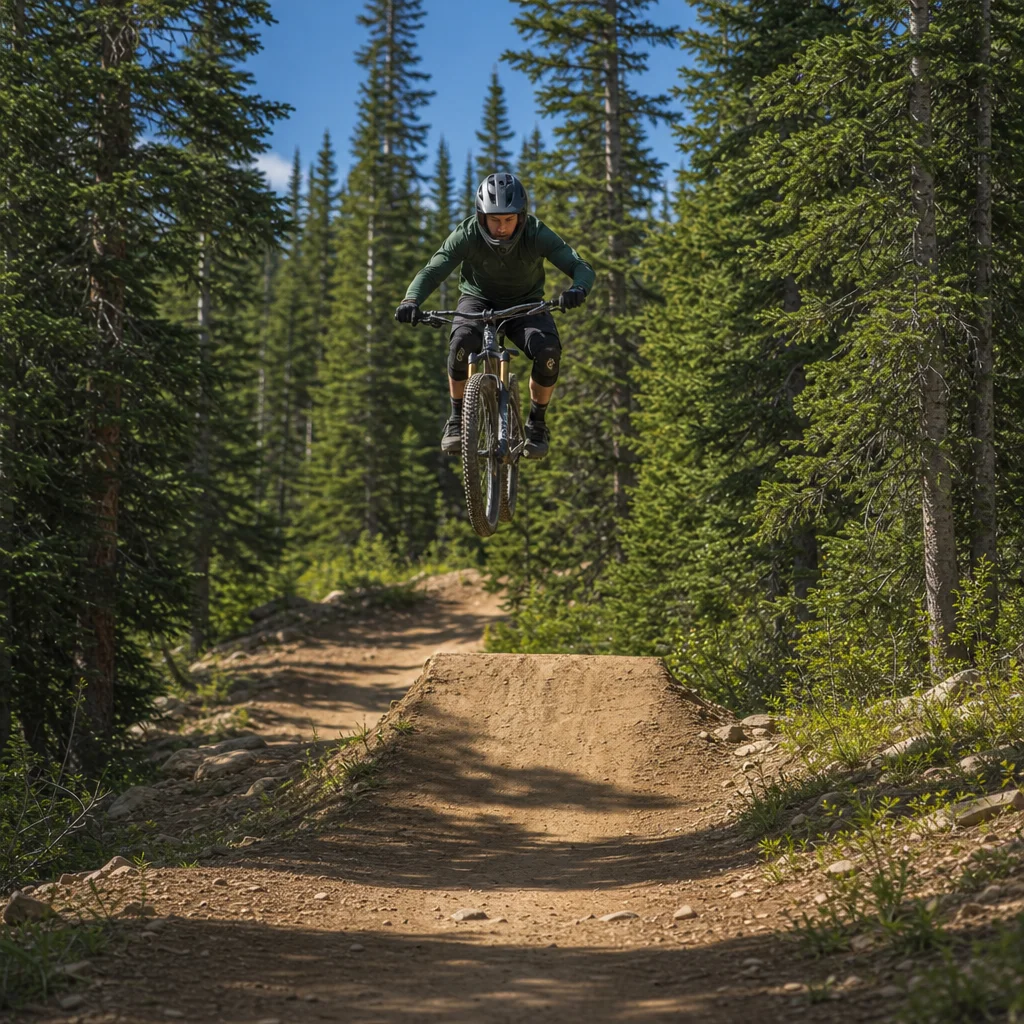
Trail work can be easy to miss when you’re focused on the next climb or technical feature. A fresh berm may look rideable, a strip of newly shaped soil may appear firm, and a closed section may seem avoidable if you can simply edge around the barrier. Those choices can undo hours of volunteer or professional work and create problems that remain long after the soil dries.
The cost-efficient choice is usually the least dramatic one: slow down, identify what has changed, and use the detour or alternate route that the trail crew intended. That protects the work, reduces erosion, and saves you from turning a short ride-around into a longer closure or repair effort.
How to recognize active or recent trail work
The clearest sign is a physical closure. Look for tape, cones, temporary fencing, gates, ropes, signs, or branches placed across the trail. A sign may say that a trail is closed, but even a simple barrier deserves the same response. Don’t move it, ride around it, or assume it was left behind by mistake.
Fresh construction can also be visible without a formal barrier. Watch for soil that is noticeably lighter or darker than the surrounding tread, a smooth surface without tire marks, sharply defined drainage features, or a newly shaped corner, roller, berm, or jump. Hand tools may leave rake lines, shovel cuts, compacted edges, or small piles of excavated material beside the trail. These details are especially easy to spot after rain, when new soil has a different texture from the older trail surface.
Equipment and people are another obvious clue. Parked trucks, compactors, wheelbarrows, hand tools, flagging, or a crew working nearby mean that the route may be changing even if the trail is technically open. Stop well short of workers, make sure you’re seen, and follow any direction they give. A machine operator may not hear a bicycle approaching, and a rider trying to slip past can create a serious hazard.
Not every unusual patch is new work. A storm can deposit loose soil, expose roots, or wash out a trail edge. The practical question is whether the area looks intentionally shaped or marked for closure. If you can’t tell, treat it as fragile and avoid riding across it until you can confirm the route.
Why riding the edge still causes damage
Fresh trail construction needs time to settle and hold together. Soil placed on a berm, ramp, or tread may look finished, but it can still be loose beneath the surface. A tire crossing it can create a rut or break the edge away from the main line. Once water enters that mark, the damage can expand with each storm and passing rider.
The edges are often more vulnerable than the center. Crews may build a trail with a carefully shaped outslope, drainage dip, or compacted shoulder that directs water away from the riding surface. Riding around a closure can cut through that drainage pattern. It can also create a second line that encourages more riders to bypass the intended route, widening the disturbance into a permanent shortcut.
Shortcuts are particularly expensive in wet conditions. A tire pressing into soft ground displaces soil rather than supporting it. The next rider deepens the impression, rain turns it into a channel, and water begins following the shortcut instead of the trail’s planned drainage. What looked like one harmless pass can become a muddy trench or a broad scar beside the trail.
The same problem applies to newly seeded or replanted areas. Vegetation may be part of the stabilization plan, even when the area looks bare. Tires can disturb seed, mulch, erosion-control fabric, or transplanted plants before roots have a chance to hold the soil together. A ride-around that saves a few seconds can add materials, labor, and another closure to the trail system’s workload.
Make the route decision before you reach the closure
If you know a trail system has scheduled work, check the current status before leaving home. Look at the land manager’s website, the trail system’s official alert page, and any current notice from the organization responsible for maintenance. Some systems also use trail-status maps, email alerts, or social media updates, but the most authoritative source is usually the agency or organization that manages the land.
Check today’s route status: Before you ride, confirm closures, detours, wet-weather restrictions, and alternate access through the current information published by the trail manager or land agency. Trail conditions and work zones can change after rain, storms, or a crew’s arrival.
Save a suitable alternate route before you start. A paper map, downloaded map area, or route file can help when cell service is weak, but don’t assume a map app has current closure information. Many apps show a trail as connected even when a section is temporarily closed, and user-submitted updates may not reflect the latest work.
If you’re riding with others, agree that the group will turn around or use the posted detour rather than negotiate at the barrier. This matters on unfamiliar trails, where the person in front may see a closure late and the riders behind may already be committed to the same line. A brief plan at the trailhead is easier than stopping a group in a narrow or exposed section.
Use the intended detour, not the easiest-looking gap
A proper detour may feel inconvenient because it adds climbing, distance, or a stretch of trail you didn’t plan to ride. It exists to protect the work zone and keep riders away from hazards, not merely to make navigation more interesting. Follow signs in the direction shown, and pay attention to temporary markers that guide you back to the main route.
If the detour is unclear, turn back to the last confirmed junction instead of improvising through the work area. Don’t follow faint tire tracks around a barrier. Those tracks may be from maintenance access, an unofficial shortcut, or riders who made the same mistake before you. Evidence that other people have crossed an area doesn’t make it an approved route.
The best alternate route depends on the trail system. You might choose a parallel trail, a lower-risk access road, a connector to another trailhead, or a shorter ride elsewhere in the network. If the only available option involves walking beside a road, crossing private property, or entering an area with its own restrictions, choose a different trail rather than forcing the original itinerary.
Plan for the possibility that the detour is closed too. Recent rain, wildfire effects, a fallen tree, or additional construction can change several routes at once. Carry enough water, time, and navigation information to turn the ride into a different outing without rushing back toward a blocked section.
What to do when you find unexpected work
Stop before the closure and look for information without stepping into the work zone. Read the sign, check nearby junctions, and note whether the closure applies to bikes, hikers, or everyone. If the message is unclear, use the trail manager’s current contact or status channel when practical. A quick report can help identify missing signage, but don’t wait for an immediate reply if the route is obviously closed.
If there’s no safe alternate route, turn around. That may mean giving up a planned descent or retracing a climb, but it’s usually cheaper than damaging the trail or putting yourself near equipment and unstable ground. Avoid moving signs to create a passage for yourself. Even if you intend to replace them, you may not know the closure’s full purpose or the correct position.
When you encounter a crew, give them space and follow their instructions. Stop where you’re visible, wait for a clear signal, and don’t ride through fresh material simply because another trail user has been waved past. Conditions can change from one minute to the next, and a crew member may direct you around a particular section for a reason that isn’t obvious from the trail.
If you accidentally touch fresh construction
Mistakes happen, especially when a work zone is poorly marked or a feature looks complete. If your tire touches soft soil, don’t keep riding to inspect the mark or try to smooth it with your wheel. Move away using the firmest route available, preferably by following the direction you came from, and avoid making additional tracks.
If you’ve created a visible rut or displaced material, report the location through the trail system’s established contact method. Keep the report factual: identify the trail and approximate location, describe the condition, and mention whether signs or barriers were present. Don’t attempt a repair unless the trail manager has asked you to do so and you know the appropriate technique. Improvised tamping or raking can damage the intended grade and drainage.
A useful report can also mention confusing access. If several riders are likely to make the same mistake, the crew may need a different sign, a longer barrier, or an update to the online status. Reporting a problem is more constructive than silently leaving a fragile area for the next rider to discover.
Respect the work after the trail reopens
An open sign doesn’t always mean every part of a reconstruction is equally durable. Follow any instructions about staying on the tread, avoiding wet sections, or riding in a particular direction. Freshly reopened trail can still have soft shoulders, loose fill, or drainage features that need time and normal use to settle.
Keep your tires on the established line rather than widening corners or cutting across the inside of a turn. On climbs, avoid spinning the rear wheel; on descents, brake before a corner instead of locking a tire across the surface. These habits help protect both older trail and recently repaired sections, particularly when conditions are damp.
Trail work is a shared resource decision. Crews have limited time, materials, and access to equipment, while a network may serve riders, hikers, runners, and local residents. Choosing a detour costs you some distance or convenience today. Riding through can cost the system another workday, another closure, and a larger erosion problem.
Before each ride, check the current status, identify a backup route, and treat every barrier or visibly fresh surface as a reason to stop and assess. When in doubt, turn around and report unclear signage. That small choice keeps your ride moving without making the trail crew rebuild the same section twice.