Improve Mountain Bike Fitness Without Making Every Ride Hard
Hard rides build fitness, but easy miles make them repeatable. I’ll show you how to combine relaxed riding, steady climbs, recovery, and occasional intensity when your riding time is limited.
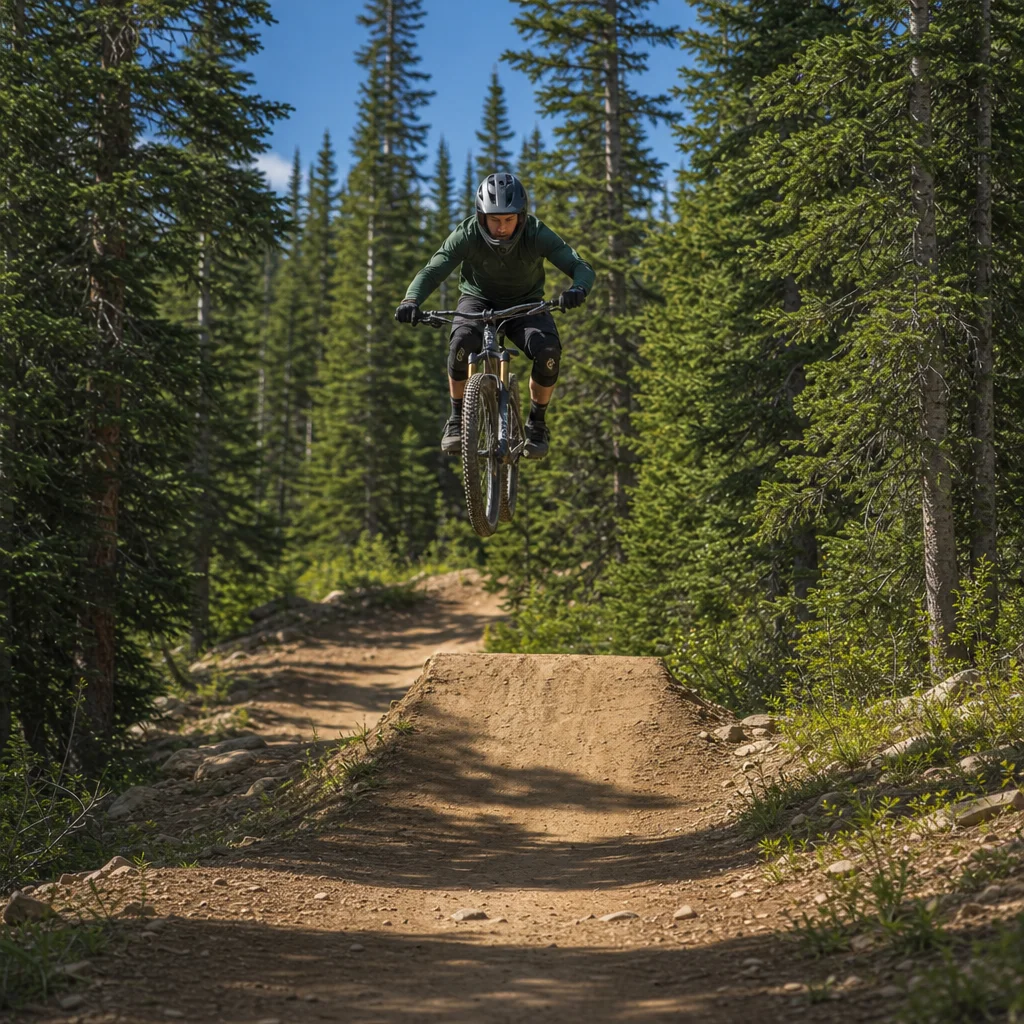
Fitness improves through the work you can recover from, not simply the hardest effort you can survive. If every mountain-bike ride becomes a test of speed, climbing power, or technical bravery, you may spend more time tired than improving.
A better approach is to give each ride a clear purpose. Easy rides build consistency and help you recover. Steady climbing develops useful endurance without turning every outing into a race. Occasional harder efforts provide a strong stimulus, while rest allows your body to adapt. The balance is especially important when you only have a few hours each week.
Start by separating effort from enjoyment
Mountain biking naturally makes intensity uneven. A short climb can push your breathing hard, then a technical descent may require concentration without much cardiovascular strain. Trail surfaces, weather, traffic, and elevation also make it difficult to measure effort by speed alone.
Instead, pay attention to how the effort feels. On an easy ride, you should be able to speak in complete sentences and keep your breathing controlled. A steady effort may make conversation shorter but still manageable. A hard interval should feel demanding enough that you can’t comfortably chat, but it shouldn’t leave you unable to repeat the effort with reasonable form.
You can use a simple perceived-effort scale from 1 to 10:
- Easy, around 2–4: relaxed breathing, low muscular strain, and plenty left in reserve.
- Steady, around 5–6: purposeful work that you can sustain for a while without straining.
- Hard, around 7–9: challenging intervals or climbs that require focus and recovery afterward.
These numbers aren’t laboratory measurements. They’re a way to avoid turning every ride into an unplanned hard session. If your legs feel heavy or your breathing is unusually difficult, treat that as useful information rather than something to ignore.
Check your starting point: If you have a medical condition, are returning after a long break, or develop chest pain, faintness, unusual shortness of breath, or persistent pain, get appropriate medical advice before increasing training. Current health guidance should take priority over any general riding plan.
Make easy rides genuinely easy
An easy ride can feel almost too gentle at first, particularly if you’re used to measuring a good outing by average speed or how exhausted you feel afterward. Its purpose is different. You’re building time on the bike, practicing efficient movement, and maintaining activity without adding a large recovery cost.
Choose familiar trails or smoother terrain when possible. Keep the gearing comfortable, spin rather than grind, and let faster riders go ahead if you’re riding with a group. You don’t need to avoid every climb, but you should approach it with the intention of staying controlled rather than proving that you can clear it at maximum effort.
Easy riding also gives you space to work on technique. Practice looking farther down the trail, keeping your elbows and knees relaxed, braking before corners, and choosing smoother lines. These skills can improve your riding without requiring a higher heart rate. A relaxed ride isn’t wasted training; it’s a low-cost way to accumulate useful practice.
If you finish an easy ride feeling refreshed or only mildly tired, that’s usually a sign that you kept the intensity where you intended. If you regularly finish these rides depleted, reduce the distance, choose less demanding terrain, or take longer pauses.
Use steady climbing as the middle ground
Steady climbing is useful because it develops sustained effort while remaining easier to recover from than repeated all-out pushes. Find a climb or series of climbs where you can settle into a rhythm. Stay seated when that helps you maintain traction and cadence, and shift before your legs bog down. Standing is fine when the gradient or surface calls for it, but avoid treating every change in slope as a sprint.
A steady climb should feel purposeful. You’ll notice your breathing and work in your legs, but you should be able to maintain a fairly even effort from the bottom to the top. If you have to stop repeatedly or your form falls apart, the effort is probably too hard for this type of session.
You can include this work in an otherwise easy ride. For example, ride easily for 20 minutes, complete two or three controlled climbs, and then finish with relaxed riding. The exact number matters less than the consistency and the quality of the effort. Over several weeks, you might add a climb, extend the duration, or reduce the recovery between climbs—but not all three at once.
Steady climbing is also a practical choice for riders with limited time. A short route with one sustained hill can provide meaningful work without requiring a long drive, a complex training plan, or a full day on the trails.
Add hard efforts sparingly and deliberately
Hard efforts have a place in mountain-bike fitness, but they’re easy to overuse. Trail riding already includes short bursts for steep pitches, accelerations out of corners, and technical sections. If you add structured intensity on top of those demands every time you ride, your “normal” week may contain more stress than you realize.
Start with one harder session every seven to ten days, particularly if you’re a beginner or your other rides are unpredictable. Warm up with easy riding and a few gradual increases in effort. Then try a small number of intervals, such as three to five hard efforts lasting roughly one to three minutes, with easy riding between them. Finish with enough relaxed riding to bring your breathing down.
The intervals should be hard but controlled. You’re practicing the ability to produce and repeat effort, not trying to create the most dramatic suffering possible. Stop the set if your technique becomes sloppy, your power drops sharply, or you can no longer recover enough to ride safely. On a mountain bike, fatigue can affect braking, line choice, and balance as much as it affects your legs.
You can also make a normal trail ride your hard session by choosing a few climbs to attack and riding the rest at an easy pace. This often fits recreational riding better than trying to force a road-style interval workout onto a technical trail. The key is to decide which sections are hard before you start, rather than accidentally riding the entire route at that intensity.
Plan around recovery, not just available riding time
When your schedule is busy, it’s tempting to use every available hour for training. That can work briefly, but fatigue accumulates when hard rides, poor sleep, work stress, and demanding terrain all stack together. Recovery isn't an empty space in the plan; it’s what allows the training to produce a result.
After a demanding ride, make the next outing easy or take a rest day. You don’t need to wait until you feel completely fresh before doing anything, but you should avoid adding another hard session while your legs are still unusually sore, your motivation has dropped, or your normal effort feels much harder than expected.
Sleep, regular meals, fluids, and a manageable workload support recovery more reliably than complicated supplements or aggressive routines. On longer or hotter rides, bring enough food and fluid for the conditions and route. Exact needs vary with temperature, duration, body size, and effort, so use your own response and current practical guidance rather than copying a rigid target from someone else.
A useful rule is to change one training variable at a time. Increase the length of an easy ride, add another steady climb, or introduce a little more interval work—but give yourself time to see how your body responds. A modest plan that you can repeat for months is more valuable than an ambitious plan that collapses after two weeks.
Fit the week to your actual schedule
A simple three-ride week might include one easy ride, one steady ride with controlled climbing, and one optional harder session. If you’re tired or short on time, remove the hard session first rather than turning the easy ride into a substitute race.
For example, you could ride easily for 45 to 75 minutes early in the week, complete a shorter ride with two or three steady climbs later in the week, and use the weekend for either a longer relaxed trail ride or a few planned hard efforts. Leave at least one easier day between demanding sessions. The rides don’t need to happen on particular weekdays; the pattern matters more than the calendar.
With only two rides available, alternate the emphasis. One week might include an easy ride and a steady climbing session. The next could include an easy ride and a short interval session, provided you’re recovering well. If your weekend ride is long, technical, or group-paced, count it as a demanding session even if you didn’t plan it that way.
Your plan should also account for the type of riding you want to improve. Endurance-focused trail rides benefit from easy volume and steady climbing. Short, punchy local trails may justify occasional intervals. Technical riding requires fresh attention, so don’t place your most difficult skills session after a workout that leaves you exhausted.
Know when the plan needs less, not more
Progress isn’t always visible as a faster time. You may notice that you recover sooner after a climb, maintain better posture late in a ride, choose lines more calmly, or finish with enough energy to ride home. Those are meaningful signs that your fitness and durability are improving.
On the other hand, persistent fatigue, worsening sleep, irritability, declining performance, or aches that change how you pedal or handle the bike are reasons to reduce the load. A missed hard workout won’t harm your fitness. Repeatedly forcing one can turn a small warning into a long interruption.
Keep a brief record after each ride: duration, general effort, terrain, and how you felt the next day. You don’t need elaborate data. This simple log can reveal that a supposedly easy group ride is consistently hard, or that your recovery improves when you shorten one session.
The most effective mountain-bike fitness plan is usually the one that leaves room for ordinary life. Keep most riding comfortable, use steady climbs for repeatable work, add hard efforts occasionally, and protect the recovery that connects them. On your next week of riding, choose one outing to keep deliberately easy, one to ride at a controlled climbing pace, and only add intensity if you’re recovering well. That balance will build fitness without making every ride another exam.