Recover From a Bad Gear Choice on a Technical Climb
I’ll clarify what to do when the gear you chose makes a technical climb harder instead of easier, from easing off and resetting your cadence to deciding when a controlled stop is the safest option.
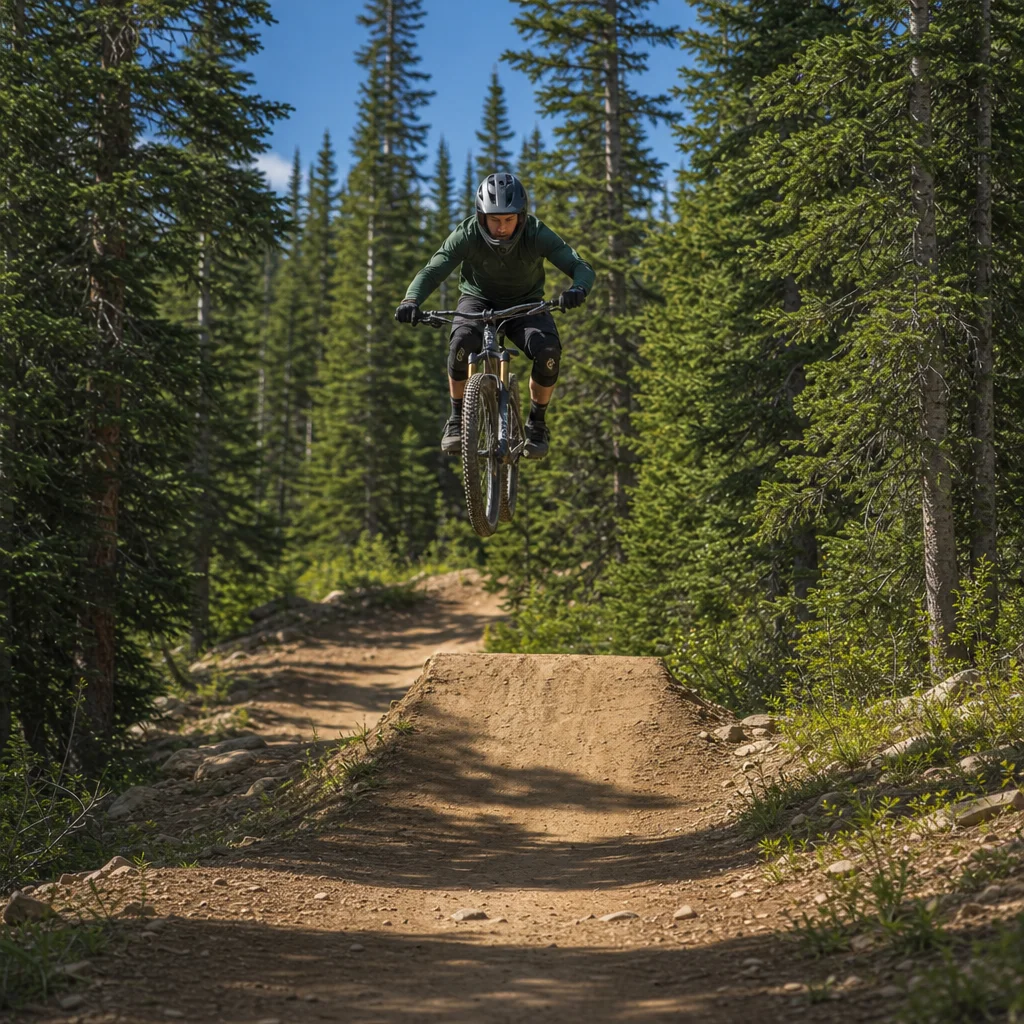
Choosing the wrong gear on a technical climb can make the bike feel suddenly unmanageable. You may lose momentum, spin without enough force, or find yourself pushing so hard that your front wheel wanders. The mistake is common; the important part is recovering without turning a small gearing problem into a crash.
A good recovery is usually less dramatic than riders expect. You’re trying to preserve traction, balance, and enough control to either continue or stop deliberately. That means recognizing the problem early, making a small correction when possible, and accepting a reset when the terrain no longer gives you room to experiment.
Recognize the gear problem early
The right climbing gear lets you apply steady pressure while keeping your pedals turning smoothly. If you’re in too high a gear, each pedal stroke requires more force. Your cadence drops, your upper body starts rocking, and the rear tire may break traction when you push over a root, ledge, or loose patch.
A gear that’s too low creates a different problem. Your legs may spin rapidly without producing useful forward drive, especially if you shift into an easier gear while already climbing slowly. The sudden change can upset your rhythm, and standing on the pedals may cause the rear wheel to skip or the front wheel to feel light.
Look beyond the chain position and pay attention to what the bike is doing. A wandering front wheel, a rear tire that chirps or slips, or a cadence that has collapsed are signs that your current setup isn’t working. The earlier you respond, the more options you have.
Correct the gear before the steepest section
If you can see a technical ramp, root step, or loose pitch ahead, shift before you reach it. Ease off pedal pressure briefly while making the shift, then return to a smooth effort. Modern drivetrains can shift under moderate load, but forcing a shift while standing heavily on the pedals makes noise, delays the change, and increases the chance of a missed shift.
You don’t need to select the easiest gear automatically. Choose a gear that lets you keep a controlled cadence while still pressing firmly enough to maintain momentum. The best choice depends on the slope, surface, your fitness, and whether the climb includes a short obstacle or a long sustained pitch.
A useful habit is to make the decision while the trail is still relatively smooth. Once your front wheel is pointed at an obstacle and your weight is committed, shifting becomes a smaller part of the problem. Your priority then becomes keeping the bike balanced.
Recover when you’re already in the wrong gear
If you’re in too high a gear but still have momentum, remain seated if the surface allows it and shift one or two steps easier. Keep your hands light, look beyond the immediate obstacle, and continue pedaling as smoothly as you can. Avoid a large, frantic shift that causes your cadence and body position to change all at once.
If the bike is starting to stall, don’t keep forcing the pedals with your entire body. That often unloads the front wheel, causes the rear tire to lose grip, and leaves you too tired to control the stop. Instead, lower your effort slightly, keep your weight centered over the bike, and decide whether there is enough room to steer toward a safe stopping place.
When you’re in too low a gear, try to stay seated and reduce the frantic spinning. A small shift harder may help, but only if the drivetrain can change without excessive pressure. If the trail is rough or the rear wheel is already slipping, maintaining a steady, lighter pedal stroke is usually more useful than repeatedly clicking through gears.
The goal isn’t to match a perfect cadence instantly. It’s to keep enough traction and balance for the next few pedal strokes. Those strokes may carry you past the awkward section, where you can make a larger adjustment on smoother ground.
Check the escape route: Before committing to a recovery shift on a technical pitch, identify where you can safely slow down or step off. If the trail is exposed, crowded, wet, or too narrow for a controlled stop, prioritize reducing speed and avoiding a fall over saving the climb.
When to stop instead of saving the climb
Stopping is the right decision when the bike has nearly stalled, the rear wheel is spinning, or your body position is becoming unstable. It’s also sensible when the line ahead is less predictable than you expected. A controlled dab or dismount is a riding decision, not proof that you lack strength.
Try to stop where the trail is widest and the surface is most stable. Aim the bike in a predictable direction, release pedal pressure, and put a foot down before the bike tips past your ability to control it. If there’s a drop-off, an exposed edge, or another rider below you, don’t wait until the last instant to abandon the attempt.
Once stopped, avoid straddling the bike in the middle of the technical line if other riders may approach. Move to a safe edge when possible, while leaving room for people coming uphill or downhill. A few seconds spent getting organized is better than restarting in a position that immediately puts you off balance.
Reset before you remount
After a dismount, take a moment to identify what actually went wrong. Was the gear too hard for the slope, or did you enter too slowly? Did the rear tire lose traction because you stood up? Did you choose a line that forced an awkward correction? Changing gears without answering those questions may simply repeat the same mistake.
Select the gear you want before remounting. If the climb begins immediately, choose a moderately easy gear rather than the absolute easiest one. Start with a steady seated effort and build momentum gradually. If the first pedal stroke is too hard, you’ll have little time to correct your balance.
If the section requires a standing start, point the cranks so you can drive down with your stronger leg, keep your elbows and knees relaxed, and commit to a deliberate line. Avoid launching with a huge pedal stroke. A controlled start gives the rear tire a better chance of staying connected to the ground.
You may also decide to walk the bike past the hardest feature and remount on a more manageable section. That can be the most efficient option on a narrow, loose, or high-consequence climb. The purpose of a ride isn't to prove that every section must be completed in one attempt.
Prevent the same mistake on future climbs
Look ahead far enough to prepare for changes in gradient and surface. On an unfamiliar trail, assume that a smooth approach may conceal a short, steep feature. Shift early, settle into a sustainable cadence, and keep some attention available for line choice rather than waiting until the obstacle is directly in front of you.
Practice shifting while seated on moderate slopes. Learn how much pedal pressure your drivetrain can handle and how quickly it responds. You’ll become less likely to panic-shift when a climb suddenly steepens. It’s also worth checking that your derailleur, chain, and shifter are operating properly; a delayed or noisy shift may be a maintenance issue rather than a technique problem.
Build a simple decision pattern: identify the change in terrain, choose the gear before it, keep your weight balanced, and reassess after the feature. If the climb starts to unravel, reduce effort and find a controlled stopping point. Repeating that sequence turns an unexpected gear mistake into a familiar problem with a manageable response.
The practical takeaway
A bad gear choice doesn’t require an aggressive correction. If you still have momentum, make a small shift while keeping your body quiet and your pedal pressure smooth. If the bike is stalling or slipping, stop trying to rescue the climb at any cost and look for a controlled reset.
Before the next technical pitch, shift early, scan for a safe stopping area, and choose a gear that supports steady traction rather than maximum speed. When you do need to dismount, reset the gear and the line before remounting. That approach protects your control, your drivetrain, and—most importantly—the rest of your ride.