How to Respond When a Trail User Is Injured
An injured trail user needs more than quick first aid: the scene must stay safe, help must find the location, and bystanders need clear roles. I’ll explain a dependable response sequence that works across riding groups and trail settings.
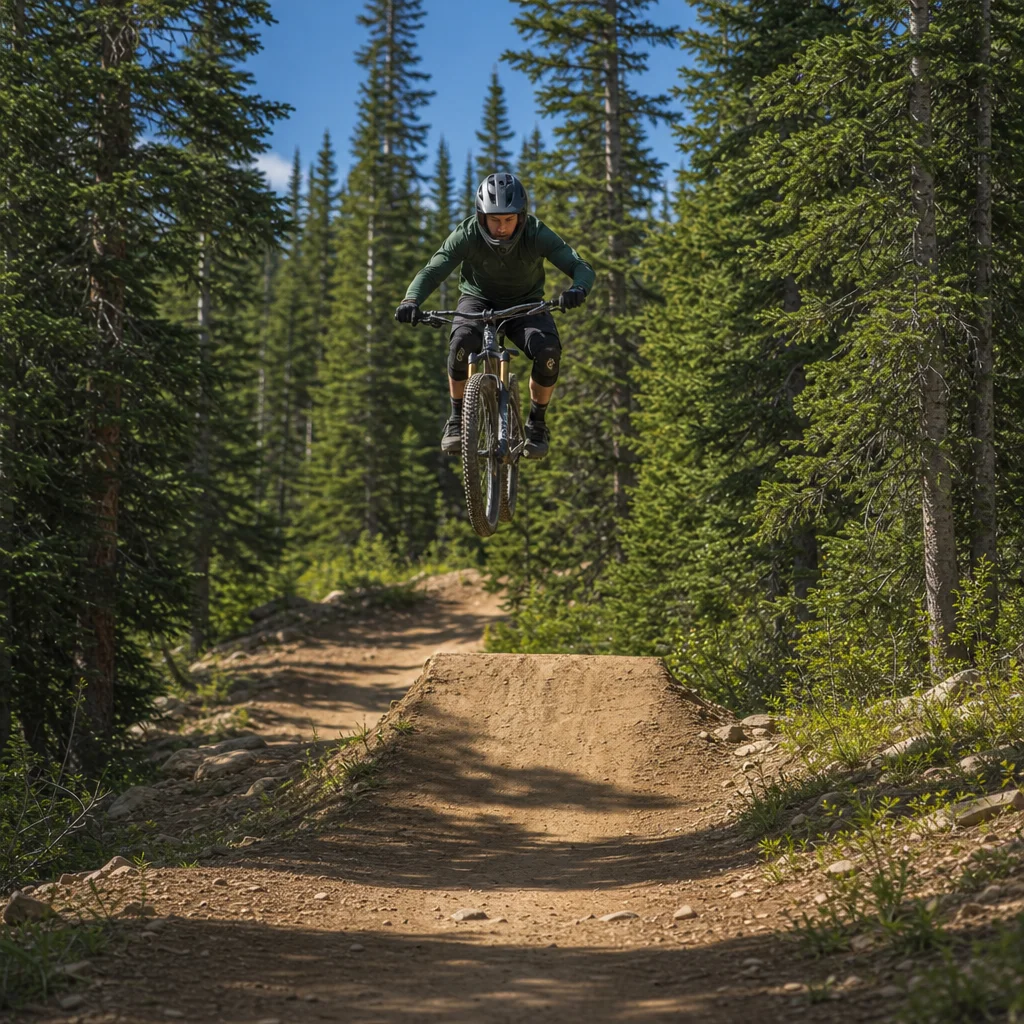
An injured rider can turn a normal trail stop into a confusing scene within seconds. You may be dealing with a fall, a collision, a hidden injury, or a rider who is frightened and unable to explain what happened. A calm, repeatable response helps you protect the injured person without creating another emergency.
The priorities are straightforward: make the scene safe, assess what you can, contact appropriate help, share a precise location, provide basic assistance within your training, and keep monitoring the situation until responsibility is handed over. You don’t need to diagnose the injury. You do need to notice immediate danger and communicate clearly.
Check your local response plan: Before riding unfamiliar trails, confirm the local emergency number, whether the area has reliable mobile coverage, and how the trail system identifies intersections, gates, access roads, and numbered posts. Dispatchers and local rescue services may use procedures that differ by region.
Make the scene safe before approaching
Stop riders in both directions and keep bikes out of the trail corridor. A second cyclist, vehicle, falling rock, unstable slope, or fast-moving stream can injure the people trying to help. Ask someone to stand where approaching trail users can see them, but don’t place that person in the path of danger. Use lights, reflective clothing, or a bike positioned safely off the trail to make the scene more visible if conditions are poor.
Look for hazards such as traffic, exposed electrical equipment, fire, unstable trees, loose rock, deep water, or an aggressive animal. If the scene isn’t safe, move only as far as necessary to get out of immediate danger, and tell emergency dispatch what remains hazardous. Don’t rush into a situation that requires specialist rescue equipment.
Once you can approach safely, introduce yourself and ask whether the person is responsive. Keep your voice calm and use simple questions: “Can you hear me?” “Where does it hurt?” and “Can you breathe normally?” If they’re awake, explain what you’re doing before touching them. That small step can reduce panic and helps preserve their sense of control.
Get help moving early
A serious-looking injury, loss of consciousness, trouble breathing, heavy bleeding, severe confusion, chest pain, or a possible head, neck, or back injury warrants emergency help. If you’re uncertain, it’s safer to contact emergency services and describe what you see rather than trying to decide the diagnosis yourself.
Delegate specific tasks instead of asking generally for help. One person should call emergency services, another should meet responders at the nearest access point, and another can keep the trail clear. Ask the caller to use speakerphone if appropriate so they can follow the dispatcher’s instructions while remaining near the injured person.
Give dispatch the information they need to find the scene:
- Trail system and nearest known entrance
- Trail name, direction of travel, and closest intersection or landmark
- Distance from a trailhead, road, gate, or numbered marker
- The type of injury and whether the person is conscious and breathing normally
- Any hazards, access restrictions, or equipment responders may need
- Your callback number and whether the group can see or hear approaching responders
Don’t rely on a dropped map pin alone. A pin can be inaccurate, difficult to access, or based on a trail segment with several possible approaches. Keep your phone available for a return call, and send someone—without abandoning the injured person—to guide responders only when doing so won’t leave the scene unmanaged.
Provide basic assistance within your training
If the person is responsive and breathing normally, encourage them to remain still and in a comfortable position. Avoid asking them to stand, walk, or “shake it off” just to test the injury. A rider may be able to move despite a serious injury, and movement can worsen pain or instability.
Control serious external bleeding with firm, direct pressure using clean gauze, a dressing, or the cleanest available cloth. If blood soaks through, add material over the original dressing rather than repeatedly removing it. Wear gloves if they’re available, and wash or sanitize your hands afterward. Follow dispatcher instructions for bleeding that doesn’t stop or appears life-threatening.
If there’s an obvious limb injury, support it in the position you find it. Don’t straighten a deformity or attempt to put a joint back in place. You can use clothing or soft items to provide gentle support, but avoid tying anything so tightly that it restricts circulation. Keep checking the person’s comfort, skin color, sensation, and ability to move fingers or toes without forcing movement.
For a possible head, neck, or back injury, ask the rider not to move and support their head only if you can do so without putting yourself at risk. Don’t remove a helmet unless it’s necessary to provide an open airway or perform life-saving care, and don’t remove it simply to inspect the head. If the person is wearing a full-face helmet, tell the dispatcher and follow their instructions.
If the person is unconscious and not breathing normally, or is only making abnormal gasping movements, contact emergency services and begin CPR if you’re trained or can follow dispatcher instructions. Use an automated external defibrillator when one is available and follow its prompts. If the person is unconscious but breathing normally, maintain an open airway as instructed by emergency dispatch and keep monitoring them. A person who vomits or can't protect their airway needs urgent professional guidance.
Keep the person warm, calm, and observed
Mountain trails can expose an injured person to wind, rain, cold ground, or direct sun. Use an emergency blanket, spare layer, or jacket to help maintain warmth, while avoiding pressure on painful areas. In hot conditions, provide shade. Don’t give food, drink, medication, or alcohol to someone who may need urgent treatment, is confused, is vomiting, or could require a procedure.
Stay alert for changes. Note whether the person becomes more confused, unusually sleepy, pale, clammy, short of breath, or less responsive. You don’t need to interpret every sign, but you should report changes promptly. Record useful details such as the approximate time of the crash, whether the person lost consciousness, what they said hurt initially, and any first aid provided.
A calm conversation is useful, but don’t crowd the rider with questions. One person should speak for the group while another monitors the surroundings. Reassure them without making promises: “Help has been contacted, and we’re staying with you.” Avoid telling them that an injury is definitely minor when you can’t know that.
Manage bystanders and the riding group
Bystanders often want to help but may unintentionally block access, move the injured person, or overwhelm them with advice. Give each person a clear, limited job: control the trail, collect the first-aid kit, identify the nearest access point, guide responders, or keep track of the injured person’s condition.
Ask unnecessary spectators to move away while keeping enough people nearby to help. Protect the rider’s privacy, and don’t photograph or share details about the injury without permission. If children are present, move them away from the immediate scene and give them a simple task, such as staying with a trusted adult.
If the injured person is part of your group, don’t let the rest of the riders scatter without a plan. Keep at least one responsible person with the patient unless emergency dispatch directs otherwise. Account for everyone, secure bikes away from the trail, and decide whether a rider can safely accompany the injured person or needs to remain with the group.
Prepare a clean handoff to responders
When help arrives, make space and give a concise report. Start with what happened, then describe the person’s current condition: whether they’re conscious, breathing normally, bleeding, in pain, or showing changes. Mention any loss of consciousness, suspected head or spine involvement, allergies or medical information the person volunteered, and first aid already provided.
Point out hazards, the original crash location, and any route responders may need to take. Follow their directions, move bikes and bystanders when asked, and avoid adding speculation. If the injured person is transported, give responders the person’s name and emergency contact details if you have permission and the information is available.
After the handoff, check the rest of the group. An incident can leave riders shaken, especially when someone witnessed a severe fall. Confirm that everyone has a safe way out, enough water and clothing, and a clear understanding of whether the ride is ending. Continuing the planned route is rarely the only sensible option.
Treat the response as equipment and skill maintenance
A first-aid kit is only reliable when you know where it is, what it contains, and how to use it. Replace expired or damaged supplies, restock anything used, and keep essential items accessible rather than buried beneath tools and spare clothing. A phone power bank, printed trail information, an emergency blanket, gloves, gauze, and a way to share your location can all be useful, but their value depends on condition and familiarity.
Review the route before riding and identify likely evacuation points. Practice opening your mapping app, reading trail markers, and describing your location without relying on perfect signal. If you ride with others, agree on who carries first aid, who can provide CPR, and how the group will communicate if someone is separated.
Training is worth refreshing because stress makes unfamiliar procedures harder to recall. Consider a first-aid or wilderness first-aid course suited to the places and remoteness of your rides. Training doesn’t make you a medical professional; it makes your first decisions more deliberate while qualified help is on the way.
The most dependable response isn't dramatic. It’s a series of maintained habits: protect the scene, call early when serious injury is possible, give rescuers a location they can use, provide only the care you can perform safely, and keep watching until the handoff. Afterward, replace what you used and adjust your riding plan so the next emergency is met with a little less uncertainty.