Ride Responsibly on Trails Used by Mountain Goats and Wildlife
Wildlife-rich trails require more than courtesy: distance, quiet decisions, and respect for movement routes protect animals and riders alike. I’ll explain what to prioritize before and during a ride in sensitive mountain habitat.
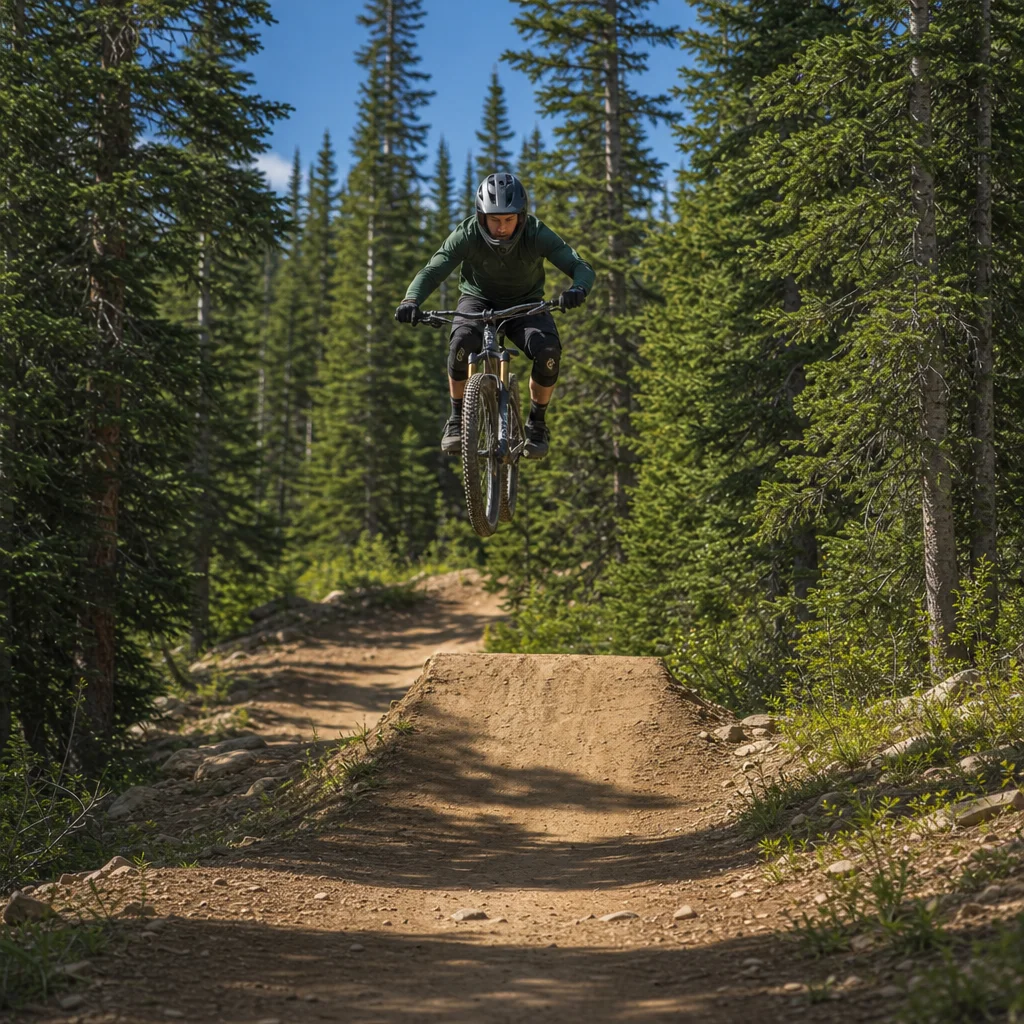
A ride through mountain-goat country can change quickly when an animal appears around a bend. The right response usually isn’t complicated, but it does require you to slow down, create space, and avoid treating wildlife as part of the trail experience.
For beginners, the priority is to leave animals a clear escape route while keeping yourself and other trail users safe. That means learning the local access rules, recognizing when a trail is being used as a travel corridor, and knowing when turning around is the responsible choice.
Check the local guidance before you ride
Wildlife behavior and trail rules vary by location. A route may pass through habitat with seasonal closures, nesting areas, mineral licks, lambing grounds, or other restrictions that aren’t obvious from the trail surface. A trail that’s open in one month may be closed or subject to special conditions in another.
Look at the land manager’s current trail information before your ride. Depending on the area, that may come from a national forest, national park, state agency, provincial or regional authority, tribal land office, or local trail organization. Pay attention to temporary closures, leash requirements, group-size limits, and instructions about wildlife encounters. Don’t rely only on an old trail app entry or a sign you remember from a previous season.
Confirm today’s wildlife rules: Before setting out, check the current land-manager guidance for closures, seasonal restrictions, dogs, and recommended responses to encounters on the specific trail you plan to ride.
If the route has a sensitive habitat designation, assume the details matter. Stay on the designated trail unless local guidance says otherwise, and don’t create a bypass around an animal, fallen tree, muddy section, or closed area. A short detour can widen the trail, damage vegetation, and push wildlife farther from the space it was already using.
Give mountain goats and other wildlife room
When you see a mountain goat, stop riding before you reach it. Dismount if that helps you remain balanced and quiet, then give the animal as much space as the terrain allows. Keep your body and bike under control, avoid sudden movements, and don’t try to pass closely just because the goat appears calm.
A mountain goat standing on or beside a trail may be resting, feeding, watching you, or deciding where to move next. You can’t reliably tell which from a distance. The animal may also have young nearby, even if you don’t immediately see them. Give it time to choose a direction rather than pressuring it with voices, wheels, or an approaching group.
The same principle applies to deer, elk, bighorn sheep, moose, bears, and smaller animals. Size doesn’t determine whether an encounter deserves caution. Any wild animal can react unpredictably when surprised, cornered, separated from its young, or unable to find a clear escape route.
Avoid approaching for photographs. Zoom in if you want a picture, and keep the camera from becoming a reason to close the gap. Never feed wildlife or leave food scraps behind. Animals that associate people and trails with food can become more willing to approach, which creates problems for future visitors and may put the animals at risk.
Don’t block a travel route
A narrow trail can become a bottleneck when a group stops directly in front of an animal. If you encounter wildlife ahead, don’t spread across the trail while deciding what to do. Move back to a place where you can stop safely without trapping the animal between riders, steep slopes, cliffs, dense brush, or other trail users.
Watch the terrain as carefully as the animal. On an exposed traverse, stepping off the tread may create a greater fall risk than waiting in place. On a steep descent, you may need to dismount and secure your bike before moving. Your goal isn't to follow a rigid maneuver; it’s to create separation without causing a second emergency.
If the animal is above you on a steep slope, avoid moving underneath it when loose rock or a sudden downhill movement could be dangerous. If it’s below you and the trail is narrow, don’t descend toward it. Back away if you can do so safely, or wait for a clear route. When neither option provides enough room, turning around is often the best outcome.
Let approaching riders know why you’re stopped, but keep communication brief and calm. “Wildlife ahead—please wait here” is more useful than encouraging people to crowd forward for a look. A group that arrives behind you should also have time to stop before it reaches the animal.
Make your presence predictable
Wildlife encounters are more likely to go smoothly when animals aren’t surprised at close range. On blind corners, narrow benches, and sections with thick vegetation, control your speed so you can stop within the visible trail. A bell or occasional calm voice may help in some riding environments, but local guidance and trail etiquette should determine whether those signals are appropriate.
Don’t use a loud horn, yell continuously, or accelerate toward an animal to make it move. Noise can startle it and may push it into a hazardous direction. A steady, moderate presence gives the animal more opportunity to identify you and decide where to go.
If you’re riding with others, keep the group compact enough that animals have a clear path around it. Don’t let faster riders disappear around the next corner while the rest of the group stops near wildlife. Regroup in a location that doesn’t occupy the trail or force other users toward the animal.
Dogs need particular attention. A dog that chases, barks at, or approaches wildlife can turn a manageable encounter into a dangerous one for everyone. Follow the local dog rules, keep your dog under reliable control, and recognize that voice control may not be enough near a startled animal. If you can’t maintain safe separation, leave the area or choose a different route.
Respond calmly when an animal doesn’t move
Some animals may remain on the trail despite your efforts to give them space. Don’t assume that repeated requests, clapping, or moving closer will solve the problem. Continuing toward an animal can make it feel cornered, especially on a narrow path.
Stop well short of it, keep your escape route open, and give it time. If other riders are approaching, ask them to wait behind you rather than forming a crowd. If the animal starts moving, remain still until it has created enough distance for you to proceed safely. Don’t follow immediately to reclaim the trail.
If the animal approaches you, don’t run or attempt to touch it. Keep your bike between you and the animal if that can be done without sudden movement, and back away when there is a safe route. For large or potentially dangerous wildlife, follow the species-specific instructions provided by local authorities. Those instructions can differ, so learn them before riding in an area where encounters are plausible.
A visibly distressed, injured, trapped, or unusually aggressive animal should be reported through the land manager’s current wildlife or ranger contact. Keep your distance while noting the location, trail name, species if known, and direction of travel. Don’t attempt a rescue or move closer to get a better look.
Avoid sensitive areas even when the trail is open
An open trail isn’t an invitation to explore every nearby slope. Stay on the established tread and avoid shortcuts, social trails, closed spurs, and areas marked for habitat protection. Repeated off-trail travel can compact soil, damage plants, and create additional paths that bring people and animals into more frequent contact.
Pay attention to signs of concentrated wildlife use, such as tracks, droppings, bedding areas, or animals repeatedly crossing the route. These signs don’t automatically mean you must abandon the ride, but they should make you more cautious about speed and noise. If the trail appears to be an important passage and you can’t pass without crowding animals, turn back.
Migration and movement routes aren’t always marked with a fence or closure sign. A ridge, drainage, meadow edge, or narrow pass may be the easiest route for animals moving between feeding, water, and shelter areas. Don’t stop in those places for lunch, photos, mechanical work, or group conversation. Move to a durable surface away from the route before taking a break.
Prepare for a responsible ride
A few choices before leaving can prevent poor decisions in the moment. Carry enough water and basic repair supplies that you won’t need to improvise a shortcut or depend on an unplanned resupply stop. Download or carry current route information where service is unreliable, and tell someone your planned route when you’re riding in remote terrain.
Choose a ride time and route that match your skills. If an encounter forces you to turn around, you should have enough daylight, fitness, and navigation confidence to return safely. A beginner-friendly wildlife ride is one where retreating is a realistic option, not a decision that leaves you committed to a dangerous descent.
Keep food and scented items secured, pack out all waste, and never leave a bike, clothing item, or snack near a wildlife route. Before you start, review how the area recommends responding to the species you might encounter. That small amount of preparation is more useful than trying to learn a response while an animal is already blocking the trail.
Responsible riding in wildlife habitat comes down to making the animal’s needs part of your route planning. Slow before blind sections, stop early when wildlife appears, keep travel corridors open, and accept that turning around may be the correct finish to a ride. If you leave the animal undisturbed and the trail no worse than you found it, you’ve made the right call—even if your planned descent never happens.