Use Effort and Recovery to Pace a Weekend Ride
I’ll explain how to find a sustainable climbing effort, recognize when recovery is incomplete, and arrive at technical sections with enough control to ride well. You’ll also learn which pacing mistakes turn an enjoyable weekend outing into an unnecessary fitness test.
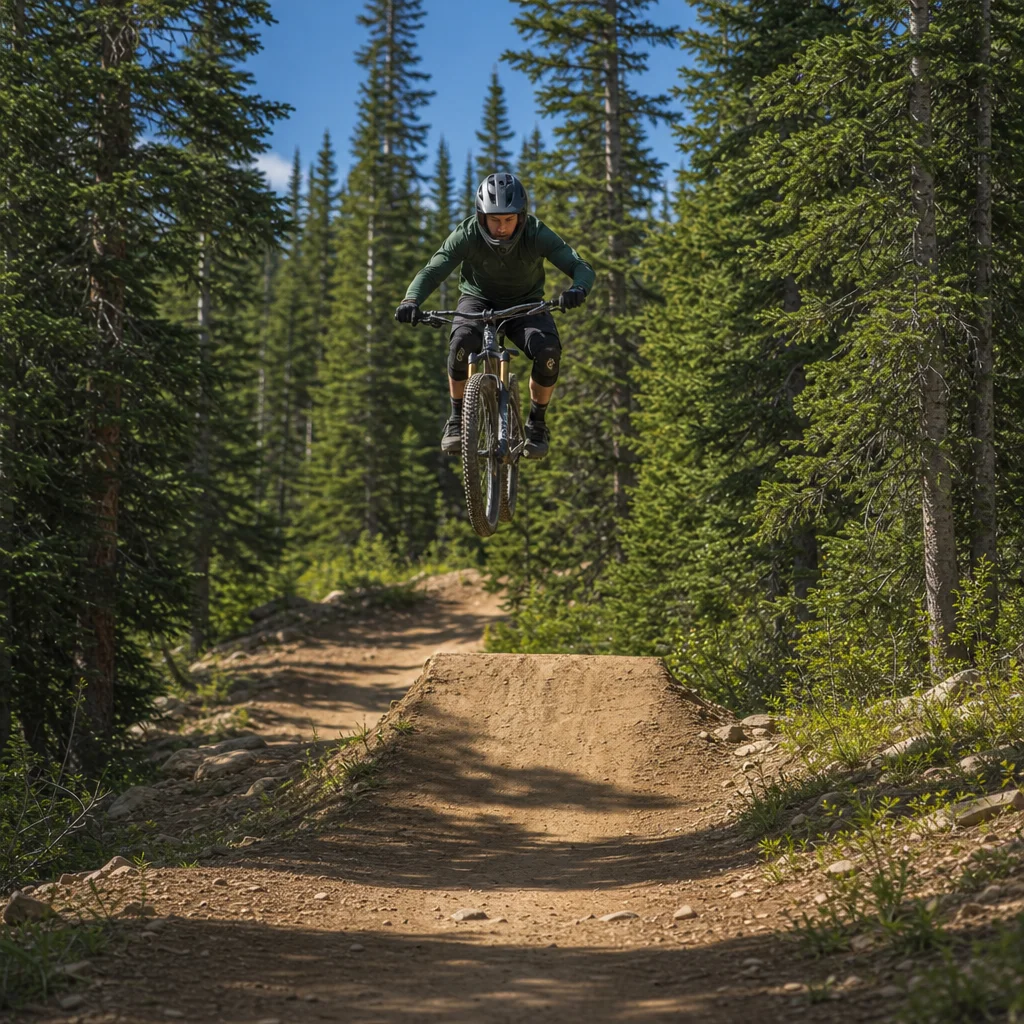
A weekend ride can go wrong long before you run out of energy. You start a climb too hard, recover only halfway before the next technical section, and spend the final miles managing fatigue instead of enjoying the trail. The problem usually isn’t a lack of fitness; it’s treating every section as if it deserves maximum effort.
Pacing means deciding where to spend energy and where to preserve it. For most recreational rides, the goal is to finish with enough strength, coordination, and attention to handle the trail safely—not to prove that every climb can be attacked.
Start with a sustainable climbing effort
The first climb is where many riders spend energy they’ll need much later. Fresh legs make a steep pitch feel manageable, and the pressure to keep up can encourage you to push above a sustainable effort. That effort may feel productive, but it often creates fatigue that doesn’t become obvious until the second half of the ride.
A sustainable climbing pace should feel controlled rather than easy. You should be breathing harder, but you should still be able to say a short sentence without stopping to gasp. This talk test is more useful than trying to match a particular heart rate or speed, especially when terrain, weather, altitude, and fitness vary. If speaking becomes difficult early in the ride, ease off before the climb forces you to.
Your speed will change with the trail. Loose surfaces, roots, steep ramps, and headwinds can make a sensible effort look slow. Judge the effort by how your body feels and how smoothly you’re riding, not by whether the computer shows the pace you expected. A steady cadence and relaxed upper body are usually better signs than a fast start.
If the climb is long, use the easier gears before you feel desperate for them. Spinning at a manageable effort helps you avoid the repeated surges that come from grinding a gear, standing too long, or chasing every rider ahead. You can always increase the pace later if you’re still comfortable. Recovering from an early overexertion is much harder than choosing a conservative pace from the beginning.
Treat technical sections as skill work, not recovery time
A technical descent may not demand the same cardiovascular effort as a climb, but it still requires energy. Your hands, shoulders, core, eyes, and decision-making all have to work. Fatigue can make you grip the bars too tightly, brake abruptly, look too close to the front wheel, or choose a line you wouldn’t attempt when fresh.
That’s why a downhill shouldn’t automatically count as recovery. If the trail is rocky, steep, narrow, or unfamiliar, you may need to lower your pace even if your breathing has settled. A controlled descent gives you a chance to preserve energy and maintain precision. Riding faster than your vision and reactions allow simply shifts the cost from fitness to risk.
Before entering a difficult section, ask whether you’re ready to manage it. Can you see the next few trail features? Are your hands relaxed enough to brake smoothly? Do you remember the intended line, and do you have room to stop if it changes? If the answer is no, use a safe place to pause or reduce speed. A short reset is more efficient than recovering from a mistake.
On a ride with repeated climbs and descents, technical sections may be the best place to protect your effort. Let the bike roll where the trail allows, but don’t chase speed for its own sake. Smooth braking, looking ahead, and choosing a line early will usually leave you less tired than fighting the bike through every feature.
Reset before the next feature: Before you enter a technical section, take a moment to lower your breathing, check your line, and decide whether your current speed matches your control. If it doesn’t, slow down or stop in a safe location.
Build recovery into the route
Recovery isn’t limited to sitting at the trailhead. It can be a flatter connector, an easy descent, a short walk, or several minutes of steady riding at low effort. The important part is giving your breathing and concentration time to settle before the next demanding section.
Look ahead at the route instead of waiting until you feel completely spent. If a long climb leads directly into a technical descent, moderate the final part of the climb so you reach the descent with useful control. If you know there’s a rest area, a broad trail junction, or a low-consequence section ahead, use it intentionally rather than drifting into the next challenge at full fatigue.
Short stops can help, but they shouldn’t replace all pacing decisions. Stopping for a drink or snack is valuable when you need it, yet starting again at the same hard effort defeats much of the benefit. Resume at an easy pace and let your body settle before building effort again.
Fuel and hydration also affect how well you recover. Bring enough for the planned ride and use it before you feel completely empty or unusually thirsty. The amount you need depends on duration, temperature, exertion, and individual needs, so avoid treating a single fixed schedule as universal. A small, regular intake is often easier to manage than waiting for a dramatic energy drop.
Recognize the common pacing mistakes
The most common mistake is pacing by the rider in front of you. A stronger rider may climb at a pace that feels only slightly faster, but that difference compounds over several climbs. If you spend the ride repeatedly entering the red to close a gap, you’ll pay for it later. Let the group know when you need a steadier pace, and agree on regrouping points if abilities differ.
Another mistake is using every climb to test fitness. Training can have a place in a weekend ride, but an unplanned series of maximum efforts changes the nature of the outing. If you want to include harder work, choose one or two sections in advance and keep the rest of the ride deliberately controlled. That gives the effort a purpose without making the entire route a contest.
Riders also tend to mistake a temporary improvement for full recovery. A downhill can make your legs feel better while your coordination remains compromised. Likewise, a snack may improve your energy without immediately restoring the judgment and strength needed for a difficult feature. Pay attention to several signs together: breathing, leg heaviness, grip tension, line choice, and how often you’re making avoidable mistakes.
Finally, don’t let the planned distance dictate every decision. If the ride is taking longer than expected, the trail is more difficult than described, or conditions have deteriorated, shorten the route. Turning around, skipping a loop, or walking a feature is part of pacing—not a failure to complete the original plan.
Use effort levels you can remember
You don’t need a complicated training system to pace a recreational ride. A simple three-level model is enough for many outings:
- Easy: You can speak comfortably, and your breathing settles quickly. Use this for warm-up, recovery, route-finding, and the late part of a long ride.
- Steady: You’re working, but you can still speak in short sentences. This is the effort that should make up much of a sustained climb.
- Hard: Conversation is difficult, and you’re choosing to tolerate significant discomfort. Use this selectively, if at all, on a noncompetitive weekend ride.
The right effort can change from one minute to the next. A short steep ramp may require a hard push, but you can return to steady effort once it ends. What matters is the pattern across the ride. Frequent hard surges with incomplete recovery are much more tiring than one deliberate effort followed by genuinely easy riding.
You can also use the final third of the ride as a pacing check. If you still have enough energy to climb steadily, descend with attention, and make sensible decisions, your earlier effort was probably appropriate. If you’re merely trying to reach the trailhead while your technique falls apart, the opening miles were too aggressive or the route was too ambitious for the day.
Adjust for conditions and the group
Temperature, humidity, altitude, mud, sand, and strong wind can all increase the cost of a familiar route. So can a heavy pack, low tire pressure, suspension settings that aren’t working well for the terrain, or a bike that needs maintenance. You don’t have to identify an exact cause before adjusting. If the same climb feels unusually expensive, lower the effort and reassess.
Group rides need a little planning. The fastest rider shouldn’t set the pace for everyone by default, and the least experienced rider shouldn’t be left to manage fatigue alone. Agree on regrouping locations, make sure riders know the route, and allow people to choose different lines or walk sections without pressure. A group that keeps moving together usually does so through communication, not by forcing every rider to match the strongest pace.
Your pacing should also reflect the consequence of fatigue. On a familiar, smooth trail, tired legs may mainly reduce enjoyment. On a remote route with difficult navigation or exposed technical terrain, fatigue can create more serious problems. Save more capacity when the cost of a mistake, delay, or mechanical issue is higher.
Finish with capacity, not just distance
A well-paced weekend ride doesn’t require you to feel fresh at the end. You should expect some tiredness, especially after a long climb or a demanding route. The useful question is whether you still have enough control to ride the remaining trail safely and make good decisions.
For your next ride, choose a pace that feels almost too conservative for the first climb. Use the talk test, shift early, and notice whether your breathing settles during easier sections. Before each technical feature, check your vision, grip, and control instead of assuming the preceding descent was recovery. If fatigue begins changing your line choice or braking, reduce the route or take a longer reset.
The best pacing strategy is usually unremarkable while you’re doing it: steady climbs, deliberate recovery, and enough reserve for the trail you haven’t reached yet. That approach leaves room for the ride to be challenging without turning every weekend outing into a fitness test.