How to Build Climbing Fitness Without Turning Every Ride Into a Test
Climbing fitness grows from controlled effort, repeatable pacing, and enough recovery—not from treating every uphill as a race. I’ll explain how these pieces fit together so you can build strength while keeping rides sustainable and enjoyable.
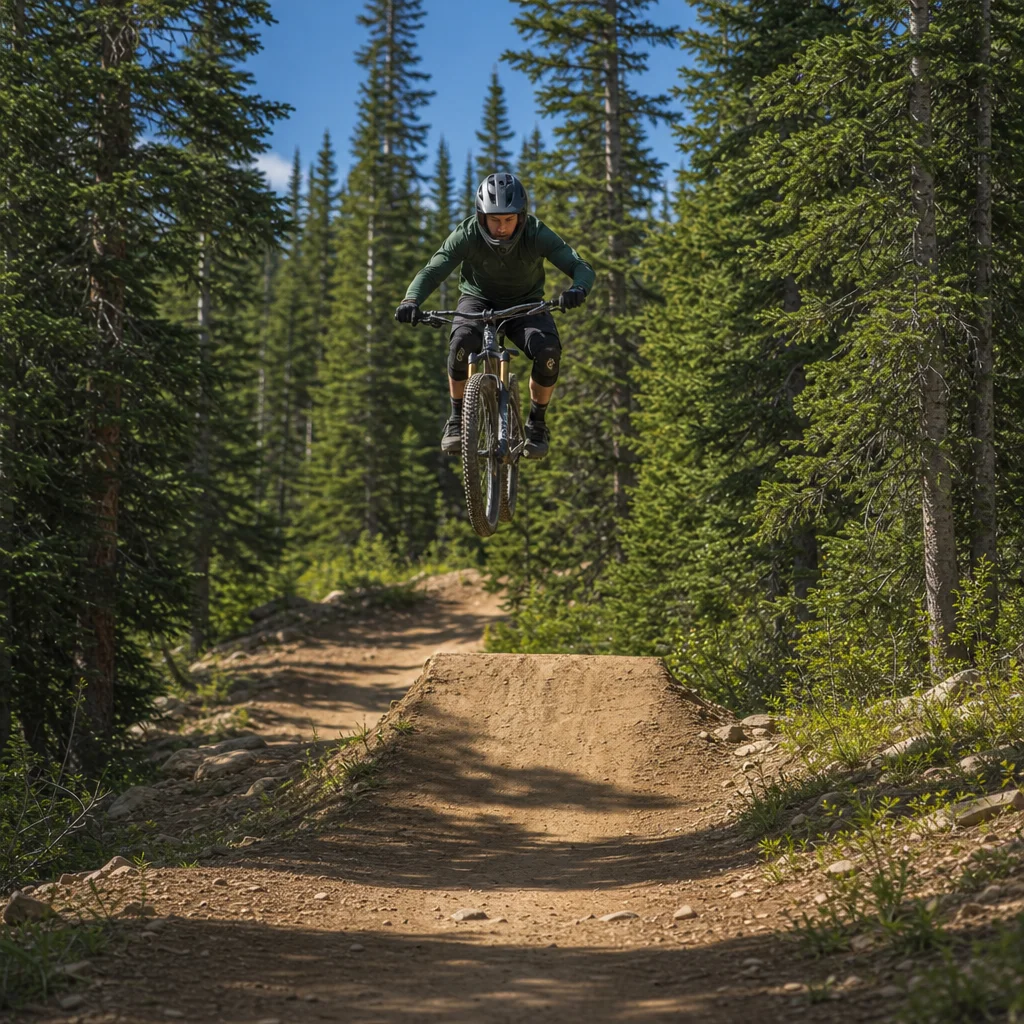
Uphill performance improves more reliably when you stop judging every climb by how hard you can suffer through it. If every ride becomes a test, you may finish with a satisfying number on your computer, but you also increase fatigue, make technique worse, and reduce the chances of riding well later in the week.
A better approach is to separate training effort from ordinary riding. You can use easy climbs to practice pacing, add occasional controlled repeats to build fitness, and track a few useful signals without turning your recreational riding into a laboratory. The aim isn't to avoid hard efforts. It’s to make them purposeful enough that they help rather than dominate your riding.
Start by defining what “better climbing” means
Climbing fitness isn't one ability. It includes producing steady power, managing breathing, maintaining traction, choosing efficient lines, and recovering after a steep section. A rider may have enough strength for a short pitch but struggle to keep a consistent effort for twenty minutes. Another rider may have good endurance but lose momentum because they attack every loose or technical section too aggressively.
Choose a specific improvement to work on first. You might want to reach the top of a familiar climb without stopping, finish a longer ride with more energy, or keep a smoother pace on a series of moderate hills. These goals are more useful than simply deciding to “climb harder,” because they give you a reason to control your effort.
A familiar route can help, but it doesn’t have to become a permanent test course. You can use one climb occasionally as a reference while allowing most rides to remain exploratory or social. If you measure yourself every time, normal differences in weather, trail surface, traffic, sleep, and fatigue can make the results more distracting than helpful.
Build an effort range you can repeat
For most recreational riders, the first skill is pacing below the point where the effort starts to unravel. On an easy or moderate climb, you should be able to speak in short sentences. Your breathing will be elevated, but it won’t feel panicked, and you should be able to maintain a stable seated position without repeatedly surging.
A simple perceived-effort scale can make this easier. Think of one as very easy and ten as an all-out effort. Much of your climbing practice can sit around a comfortable-to-moderate level, perhaps four to six out of ten, where you can maintain control and repeat the effort. Harder work can be included occasionally, but it shouldn’t be the default setting for every hill.
The exact number matters less than consistency. If a climb starts at a six and becomes a nine halfway up, you probably began too quickly for the goal of repeatable fitness. Try easing off before your breathing becomes ragged. The slower pace may feel unproductive at first, but it allows you to spend more total time climbing with good posture, traction, and decision-making.
On a mountain bike, pacing also protects technique. When you’re overly fatigued, you may stand unnecessarily, spin the rear tire, grab the handlebar too tightly, or stare only at the ground directly in front of the wheel. A controlled effort leaves more attention for selecting a line and responding to roots, rocks, and changes in gradient.
Check the trail before adding intensity: Weather, heat, trail conditions, traffic, and local access rules can change whether a hard climbing session is sensible. Before you set out, confirm that the route is open and suitable for your ability, and scale back if the surface is wet, unstable, unusually hot, or difficult to ride safely.
Use easy rides to practice, not prove, your fitness
An easy ride can still improve your climbing if you give it a technical purpose. Concentrate on starting hills calmly, keeping your cadence smooth, relaxing your upper body, and shifting before the gradient forces you into a desperate gear change. These habits reduce wasted movement and help you preserve energy for the full ride.
Try beginning a climb with the effort you believe you can sustain to the top, rather than responding to the first steep ramp. Stay seated when traction is limited, keep your weight balanced over the wheels, and use a gear that lets you pedal without mashing. On very steep terrain, standing may be useful, but it should be a deliberate choice rather than a response to having started too hard.
Easy rides are also where you learn your warning signs. A dry mouth, unusually heavy legs, a rising sense of irritability, or a sudden loss of coordination can indicate that the day’s effort is becoming excessive. If your pedaling becomes erratic or you’re making poor line choices, back off, take a short recovery, or end the hard portion of the ride. No training benefit requires you to ignore a deteriorating sense of control.
Add repeat climbs gradually
Once you can pace a moderate climb without fading badly, you can introduce repeats. Choose a section that is long enough to require sustained effort but not so difficult that technical hazards become the main challenge. A repeat might last several minutes, followed by an easy spin or walk while you recover. The point is to practice controlled work more than once, not to empty the tank on the first attempt.
Start with a small amount of work. For example, you might ride two or three steady repeats during a ride, keeping the first one deliberately restrained. If the final repeat is close to the first in pace and form, the session was probably appropriate. If you need to stop early, lose traction repeatedly, or finish each effort in a sprint, reduce the intensity or the number of repeats next time.
Recovery between efforts should be long enough for you to regain control of your breathing and make sensible decisions. Easy descending or a gentle section of trail can work, provided you can ride it safely while tired. If the descent is technical, crowded, or exposed, don’t treat it as an automatic recovery interval. Walk a difficult feature or choose a safer route rather than adding risk to the session.
You can progress one variable at a time. Add another repeat, extend the length of the climbing section, or reduce the recovery slightly—but not all at once. When the same session feels manageable for several rides, make a modest change and observe how your body and technique respond over the following days.
Leave room for recovery
Fitness develops through the combination of stress and recovery. A hard climbing session followed immediately by another demanding ride may feel disciplined, but it can simply produce accumulated fatigue. That fatigue affects steering, braking, balance, and judgment as well as pedaling strength, so recovery is part of risk reduction rather than an interruption to training.
After a challenging session, an easy ride, rest day, or non-riding activity may be the better choice. You don’t need to follow a rigid schedule to make this work. Pay attention to whether your legs feel unusually flat, whether your normal effort feels harder, and whether you’re less coordinated on familiar terrain. A single poor day isn't a problem; several signs together suggest that you should reduce the load.
Sleep, food, and hydration also influence how an effort feels. Bring enough water and appropriate food for the route and conditions, particularly when the ride is longer, hotter, or more remote than usual. Don’t use a training plan as a reason to continue past the point where you can fuel, cool down, or make safe decisions.
Track useful signals without chasing numbers
You can track climbing progress with a phone, bike computer, heart-rate monitor, or simple notes, but the tool should answer a question. Record the route, approximate effort, number of repeats, and how you felt afterward. You might also note whether you maintained traction and reached the top with controlled breathing.
Power and heart-rate data can add detail, but neither is a perfect measure of readiness. Heart rate can be influenced by heat, stress, caffeine, illness, and hydration. Power readings vary with equipment and position. A faster time may reflect a drier trail or a tailwind rather than improved fitness, while a slower time on a hot or rough day may still represent excellent pacing.
A useful comparison asks whether you can do more work at a similar effort, or the same work with better control and less recovery. For example, completing three repeats while keeping your form together is meaningful even if the times aren't personal bests. So is finishing a long ride with enough energy to handle the final climb safely.
Keep hard benchmarks occasional. Every few weeks, or whenever it naturally fits a ride, you can revisit a familiar climb under reasonably similar conditions. On other rides, let the data stay in the background. The goal is to make your riding better, not to make every outing produce a result worth posting.
Keep the ride recreational
A sustainable week usually includes different kinds of riding. Some rides can focus on relaxed distance or technical practice. One ride may include controlled climbing repeats, while another can be social, exploratory, or simply a chance to enjoy a trail without a plan. This variety helps prevent both physical overload and the mental fatigue that comes from constant comparison.
If you ride with others, agree on the purpose before the climb. A group that expects a conversational pace will have a different experience from one that wants to attack every hill. It’s reasonable to let faster riders continue and regroup, or to choose a route with natural meeting points. You don’t have to match another rider’s pace to get a productive workout.
The same principle applies when motivation turns competitive. A spontaneous hard effort can be fun, but ask whether it fits the rest of the day. If the climb leads into technical terrain, a busy descent, or a long ride home, saving some energy may be the stronger decision. Finishing with control is a performance skill, not a failure to commit.
Climbing fitness grows when you can repeat good work often enough for it to become familiar. Start with controlled pacing, use easy rides to refine technique, add a small number of repeat climbs, and give yourself enough recovery to ride safely. Track how your effort and handling feel together, rather than treating speed as the only evidence of progress.
On your next ride, choose one moderate climb and deliberately hold back during the opening section. Notice whether you reach the top with steadier breathing and better line choice. If that feels manageable, add a carefully limited repeat on a later ride. Small, repeatable improvements will do more for your uphill riding than turning every climb into a verdict.