Recognize Heat Illness Risk During a Mountain Bike Ride
Hot, humid trails can turn an ordinary climb into a heat-management problem, especially when warning signs are easy to dismiss. I’ll explain how to spot escalating illness, make sensible hydration and cooling decisions, support riding partners, and recognize when the safest choice is to stop.
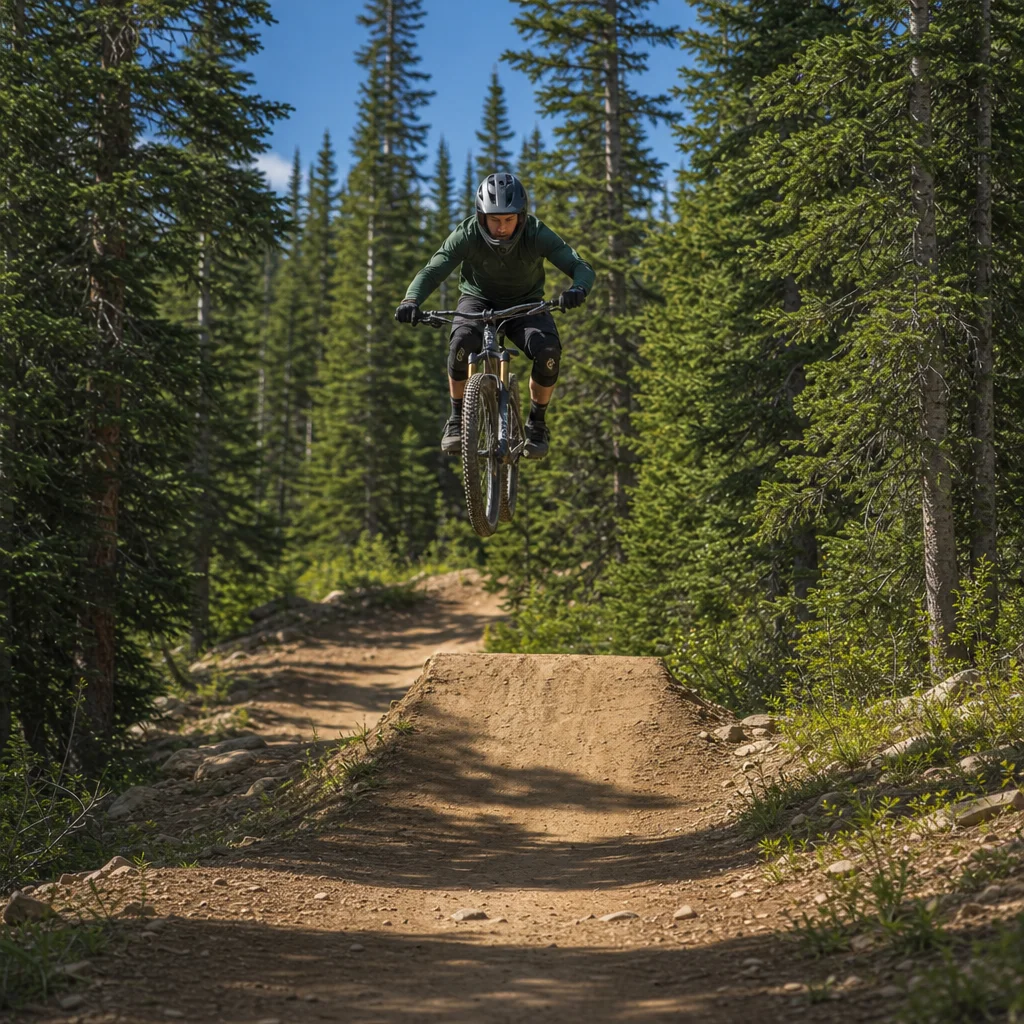
Heat illness rarely begins with a dramatic collapse. More often, it develops while you’re climbing slowly, riding harder than planned, or trying to keep up with a group in air that feels too thick to cool you. Fatigue, thirst, a headache, or an unusually poor line choice can look like normal mountain-bike suffering—until they stop being normal.
Recognizing the pattern early gives you more options. You can reduce effort, find shade, cool your body, change your hydration plan, and leave the trail under your own power. If serious symptoms appear, the priority changes from finishing the ride to providing urgent care.
Why hot and humid rides are difficult
Your body sheds heat mainly by moving warm blood to the skin and by evaporating sweat. Humidity makes evaporation less effective, so sweating heavily may not cool you as well as it would in dry air. A breeze created by riding can also make conditions feel more manageable than they are, particularly on a descent after a long, sheltered climb.
Fitness doesn’t make you immune. A strong rider can produce more heat by riding at a higher intensity, and an experienced rider may be especially willing to dismiss discomfort as part of the effort. Heat risk also varies with acclimatization, sleep, illness, medications, clothing, trail exposure, and how much water and food you’ve taken in.
You don’t need a precise heat-index number to make a safer decision. If the forecast is hot or humid, treat the ride as a different physical task: start earlier if possible, lower your planned intensity, build in shade stops, and choose a route with reliable exits and access to water or transport.
Check the day’s conditions: Before leaving, review the local heat and humidity forecast, heat advisories, trail closures, and emergency-access information. Conditions can change between the trailhead and the exposed sections of your route, so carry enough water and communication equipment for a slower return.
Early warning signs deserve an immediate response
Heat exhaustion can develop before you feel dramatically ill. Common warning signs include unusual tiredness, weakness, dizziness, headache, nausea, muscle cramps, heavy sweating, clammy skin, and a faster heartbeat than the effort seems to justify. You may also notice that your coordination, judgment, or ability to maintain a steady pace is deteriorating.
On a bike, pay attention to changes in behavior and handling. Repeatedly missing familiar lines, braking late, drifting across the trail, forgetting simple instructions, or becoming irritable can be more significant than a complaint about being thirsty. If a riding partner says they feel “off,” don’t assume they only need encouragement.
Stop and assess when symptoms begin. Move out of the trail where you’re visible and safe, preferably into shade or an actively cooler area. Remove or loosen unnecessary clothing and equipment, cool the skin with water and airflow, and rest. A wet jersey can help if air movement is available, but in humid conditions it may not provide enough cooling by itself.
Don't turn a short rest into a test of toughness. If symptoms don’t improve promptly, return to the trailhead with help rather than continuing the planned route. A rider who is already dizzy or unsteady shouldn’t descend technical terrain alone.
Recognize when it has become an emergency
Heatstroke is a medical emergency. The most important warning sign is a change in mental status: confusion, unusual behavior, disorientation, slurred speech, loss of coordination, inability to respond normally, a seizure, or collapse. A person with exertional heatstroke may still be sweating, so sweating—or the absence of obviously dry skin—doesn’t reliably rule it out.
If someone has these signs, call your local emergency service immediately and say that you suspect heatstroke. Give the location, trail name or access point, the person’s condition, and the best route for responders. If you’re in a group, assign one person to make the call and another to guide responders while others start cooling.
Begin rapid cooling while help is coming. Move the rider to shade or another cooler location, remove excess clothing and protective equipment, and apply cool or cold water to the skin while fanning continuously. Cold-water immersion is often an effective option when it can be done safely, such as at a suitable pool or with enough helpers and a stable setup. Don’t delay cooling while trying to arrange transport.
Keep monitoring the person. An unconscious or confused rider shouldn't be given food, drink, or anything by mouth because of the risk of choking. If they stop breathing normally, follow emergency-dispatch instructions and begin appropriate first aid if you’re trained. Don’t leave a seriously ill rider alone to search for help.
Act on confusion, not confidence: If a rider is confused, collapses, has a seizure, or can't respond normally, call emergency services and start cooling immediately. Don’t wait for the person to agree that the ride is over; impaired judgment is part of the emergency.
Hydration is a decision, not a drinking contest
Start a hot ride hydrated, but avoid treating water as a way to erase every other problem. Drinking enough to replace ordinary losses can support performance and comfort; forcing large volumes quickly can be dangerous. Overhydration can dilute blood sodium and contribute to exercise-associated hyponatremia, which can also cause headache, nausea, confusion, and in severe cases seizures.
Drink according to thirst and the conditions, taking regular opportunities rather than waiting until you’re desperate. Your needs depend on body size, pace, temperature, humidity, clothing, duration, and how much you sweat. There isn’t one reliable bottle-per-hour rule for every rider. If you’re riding for several hours or sweating heavily, a drink containing electrolytes and carbohydrates may be useful, but it isn’t a guarantee against heat illness.
Food matters too. A small, familiar snack can support a long ride, while riding hard with inadequate energy may feel like heat exhaustion. Avoid experimenting with unfamiliar supplements, concentrated products, or large amounts of caffeine on a difficult hot-weather outing. If you have a medical condition or take medication that affects fluid balance, sweating, blood pressure, or heat tolerance, ask a healthcare professional how to plan for strenuous exercise.
Clear urine isn’t a requirement for a successful ride, and constantly chasing it can encourage excessive drinking. A practical plan is to carry more fluid than your minimum estimate when resupply is uncertain, but to drink steadily and respond to thirst rather than emptying bottles on a schedule.
Pace and route choices reduce heat load
The safest pace is one that leaves room to cool down. Use an easier gear on climbs, keep your breathing controlled, and avoid turning every rise into a threshold effort. Shorter climbs with shade and opportunities to stop may be a better choice than a longer route that leaves you exposed far from the trailhead.
Plan the route around escape options. Know where roads, trailheads, water sources, ranger stations, or populated areas are located, and remember that a map marker doesn’t guarantee that water is drinkable or accessible. Carry a charged phone, but don’t assume there will be service. A whistle, basic first-aid supplies, and a way to share your location can matter when a rider becomes too impaired to navigate.
Clothing should allow sweat to evaporate and should match the exposure. A helmet remains important, but vents, a light-colored jersey, sun protection, and a damp cloth or neck covering may improve comfort. Sunscreen prevents sunburn; it doesn’t prevent heatstroke. Similarly, a fast descent can cool you temporarily without undoing the heat accumulated during the climb.
Group responsibilities are part of trail safety
Before starting, agree that anyone can call for a stop without having to justify it. Keep the group together in exposed or remote sections, and check on the strongest and quietest riders as well as the person who openly complains. A rider who insists they’re fine may be trying not to slow everyone down.
When someone shows early symptoms, use clear questions: What is your name? Where are we? How do you feel? Can you ride safely? Confusion, an inability to answer simple questions, or an unsteady attempt to remount should end the riding portion immediately. One person can stay with the affected rider while another retrieves water, contacts help, or guides the group out.
Don’t make an impaired rider descend alone, and don’t put a struggling rider in a support vehicle without someone able to monitor them. Improvement after shade and water is reassuring but doesn’t automatically make a long, technical return sensible. The group may need to shorten the route, call for assistance, or walk the bike out.
When ending the ride is the right call
End the ride when symptoms are worsening, repeated rest stops aren’t helping, you’re no longer riding accurately, or the route ahead has more exposure and climbing than the route behind. Stop for a partner who becomes confused, vomits repeatedly, collapses, or can't safely walk. Those aren't signs that someone needs more motivation; they’re reasons to escalate care.
For future rides, note what contributed: start time, intensity, clothing, fluid access, food, sleep, illness, and the most exposed parts of the route. Use that information to adjust the next outing rather than assuming the same plan will work in different weather. Acclimatization can improve heat tolerance over time, but it is gradual and doesn’t make extreme conditions harmless.
A successful hot-weather ride is one where you manage effort early enough to preserve choices. Set a conservative pace, drink to thirst without forcing fluids, cool yourself at the first meaningful warning signs, and make group decisions before judgment deteriorates. If confusion or collapse appears, stop riding, call for emergency help, and cool the rider immediately.