How to Ride a Flat Corner With Loose Outside Gravel
Loose gravel on the outside of a flat corner can turn a routine turn into a sliding contest. I’ll explain how entry speed, tire loading, vision, and steering inputs work together so you can choose a controlled line without relying on luck.
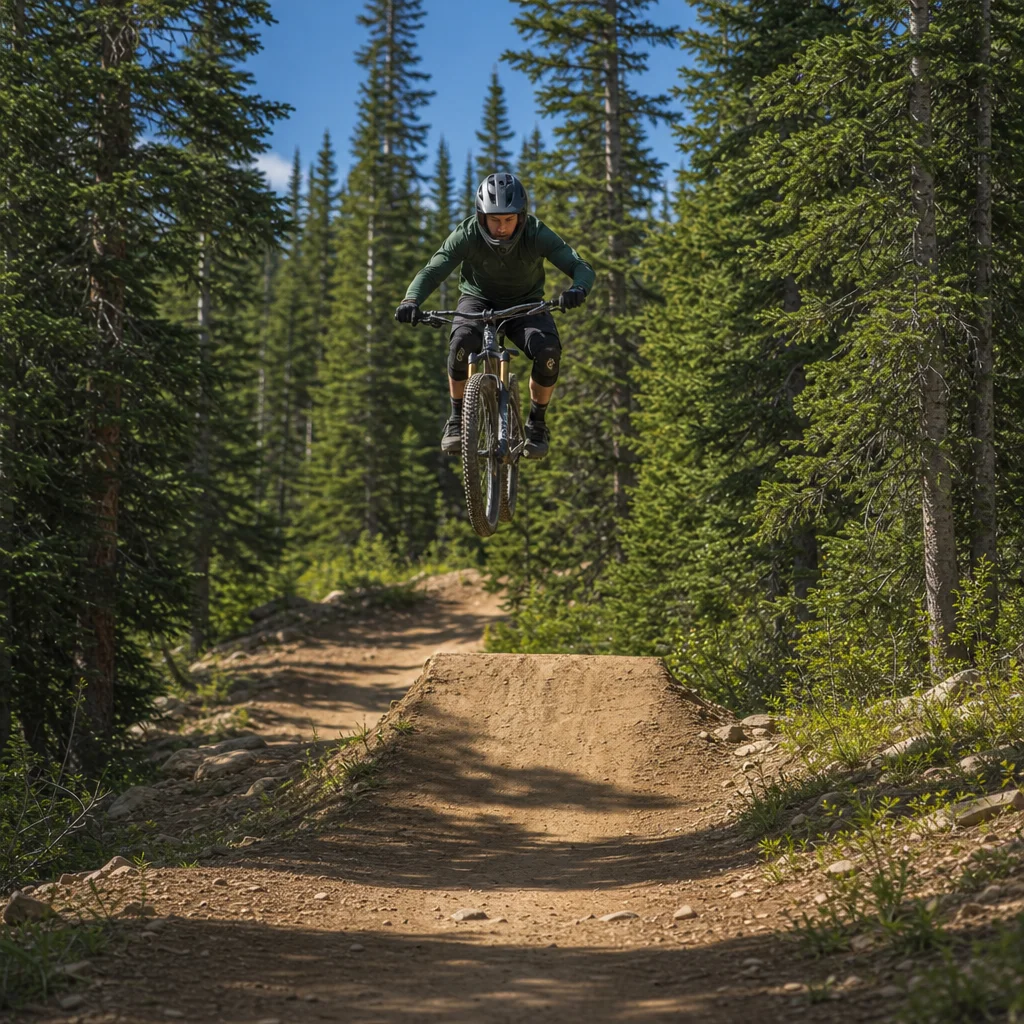
A flat corner with loose gravel on the outside gives you an awkward choice: stay tight and risk clipping the inside, or drift wider onto a surface that may not support your tires. The safest solution usually isn’t one dramatic technique. It’s managing speed early, keeping the bike balanced, and making the fewest steering corrections once the gravel starts to matter.
You don’t need to attack the turn. You need to arrive with enough control that the corner still has options.
Set your speed before the turn
Braking and turning at the same time can work on predictable surfaces, but loose gravel reduces your margin for error. If you enter too fast and then grab the brakes when the outside tires begin to slide, the bike can stand up, run wide, or lose traction abruptly. Slow down before the corner so you can release most of the braking as you begin to turn.
That doesn’t mean crawling through every flat corner. Excessive caution can create its own problem: a slow, tense rider tends to make larger steering movements and may put too much weight on the bars. Aim for a speed that lets you follow your intended line without needing a sudden correction. For a beginner, that may mean using a little more braking than an experienced rider would. Consistency matters more than carrying maximum speed.
Use both brakes smoothly while the bike is relatively upright. As you approach the turn, finish the harder part of the slowdown, then ease off the levers. If you need a small speed adjustment mid-corner, use light, progressive pressure rather than a sharp squeeze. On loose ground, the front brake deserves particular care because locking or unloading the front tire can make steering disappear quickly.
Check the surface before committing: On an unfamiliar trail, look for how deep and loose the gravel is, whether the corner tightens, and what lies beyond the outside edge. Choose a speed that leaves room for the actual conditions, not the conditions you expected.
Choose a line that gives the gravel less influence
A wide entry, controlled middle, and wide exit is a useful starting shape for a flat turn, but it isn’t automatically the best line here. If the outside of the corner is covered in loose gravel, moving wide may increase your turning radius while placing your tires on the least supportive surface. A tighter, smoother line can be slower in theory but more reliable in practice.
Look for the firmest continuous strip rather than simply aiming for the inside. The inside may have roots, embedded rocks, a sharp rut, or a second obstacle that forces an abrupt change of direction. If the gravel is shallow and fairly uniform, you may be able to use part of it. If it is deep, piled up, or mixed with larger stones, avoid crossing it while leaned over if another line is available.
The trade-off is important: a line that keeps you on firm ground may require a tighter turn and more precise speed control, while a wider line may feel more open but offers less tire support. Decide before the corner where you want your wheels to go. Entering with a plan reduces the temptation to chase the edge of the trail after the bike has already started turning.
Let the bike lean while you keep your body balanced
On a flat corner, you generally need to lean the bike to create the turning force. You don’t need to throw your upper body dramatically into the turn. Keep your torso relaxed and relatively centered, with your outside foot weighted and your pedals level or positioned according to the obstacle and corner. The exact foot position matters less than avoiding a rigid, high-centered stance.
A little pressure through the outside pedal can help you feel connected to the bike and keep your weight from collapsing onto the handlebars. Keep your elbows and knees bent so the bike can move beneath you. If the rear tire steps slightly outward over loose gravel, a relaxed position gives you more chance of letting it settle instead of reacting with a sudden countersteer.
Avoid hanging far off the outside of the bike as a substitute for control. That position can make the bike feel upright, but it may also reduce the amount of grip available at the tires and make the line harder to adjust. Likewise, avoid pushing your chest heavily over the bars. The front tire needs enough load to track, but too much forward weight can make it dig into loose gravel or lose grip when you brake.
Use your eyes to prevent late corrections
Your eyes often determine where your hands take the bike. If you stare at the loose patch on the outside, you’re more likely to steer toward it or make a sharp correction when you reach it. Look through the corner toward the exit, while using your peripheral vision to notice the gravel, ruts, and trail edge.
Break the turn into useful visual targets. Before entry, identify the point where you’ll start turning. During the corner, look beyond the loose section toward the firm line or exit. Once the bike is pointed where you want it to go, keep your attention farther down the trail instead of repeatedly checking the front tire.
This doesn’t mean ignoring hazards. It means looking at them briefly, understanding the space they occupy, and then returning your focus to the route you want. A rider who watches the obstacle too long often waits until the last moment to steer around it. That produces the very sudden input that loose gravel punishes.
Make steering inputs small and deliberate
A flat, loose corner rewards smoothness more than aggression. Turn the bars enough to establish the corner, then let the bike follow the arc. Avoid sawing back and forth at the grips. Every abrupt input changes the tire’s direction before it has time to regain or maintain traction.
Keep a light grip on the bars without letting your hands become passive. Your arms should absorb movement while your hands make calm corrections. If the front tire begins to wander, resist the urge to yank it back onto the exact line. A small correction, followed by a return to a neutral grip, is usually more effective than a series of increasingly large inputs.
If you feel the rear tire slide slightly, keep looking toward the exit and avoid instantly straightening the bike unless the slide is becoming a fall. A minor rear drift can settle when you reduce the steering angle and keep your weight balanced. If the front tire loses grip, the situation is more serious: reduce aggressive braking and steering, keep your body centered, and allow the bike to regain a straighter path if space permits.
When the outside gravel is unavoidable
Sometimes the trail funnels you directly onto the loose section. In that case, the goal changes from avoiding the gravel to crossing it with as little disturbance as possible. Slow before reaching it, keep the bike reasonably upright, and avoid braking or turning sharply while the tires are in the deepest part.
Try to cross the loose patch on a steady, shallow trajectory rather than entering at a steep angle and immediately steering again. Keep your weight centered, your elbows relaxed, and your eyes on the exit. Once the tires reach firmer ground, make your next steering or braking adjustment gradually.
There’s a trade-off between staying light on the bike and keeping the tires planted. Don’t unload the bike by standing stiffly and pulling up on the bars, but don’t drive excessive weight into the front wheel either. A neutral position lets the tires conform to small changes in the surface while preserving enough control to guide the bike.
Practice the decision, not just the corner
Find a low-consequence area with a flat turn and a small amount of loose material. Start slowly and practice entering under control, looking through the turn, and keeping your hands quiet. Change only one factor at a time: a slightly tighter line, a little more speed, or a brief passage across the gravel. Stop increasing the difficulty when your corrections become abrupt.
The useful skill is recognizing which option the surface allows. On shallow, predictable gravel, you may maintain a smooth arc and carry modest speed. On deep or uneven gravel, a slower entry and a straighter crossing may be the better choice. Neither approach is universally faster; the right one is the approach that preserves traction and leaves you room to respond.
When you encounter the same situation on the trail, brake early, select the firmest practical line, and look beyond the loose patch. Keep the bike balanced, use the outside pedal for support, and make steering changes gradually. If the corner still feels uncertain, reduce speed before the next attempt rather than trying to rescue the turn halfway through it. That small decision usually gives you more control than any last-second technique.